

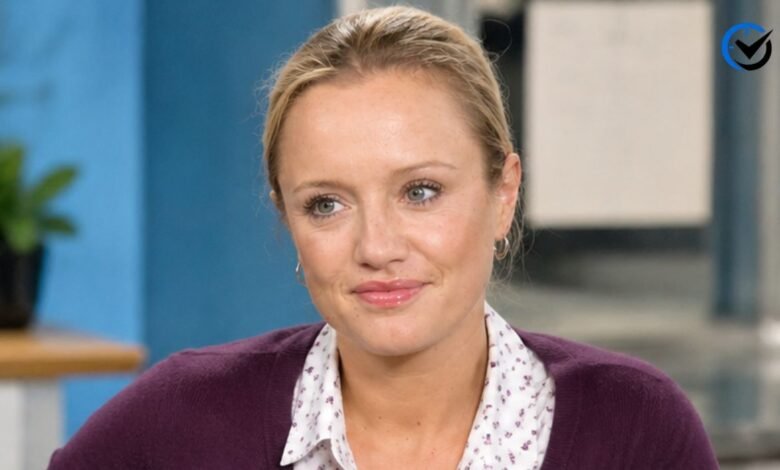
Lucy Davis has built an unusually varied career by moving comfortably between British comedy, romantic drama, horror, fantasy, and American family television. Many viewers first discovered her as Dawn Tinsley in the original version of The Office, while others recognize her as Dianne in Shaun of the Dead, Etta Candy in Wonder Woman, or Hilda Spellman in Chilling Adventures of Sabrina. Her career is especially interesting for three reasons: she makes understated characters memorable, adapts naturally to different entertainment markets, and brings warmth to stories that could otherwise feel dark or cynical. This Lucy Davis career timeline explores her early training, breakthrough performances, Hollywood transition, major roles, personal challenges, and lasting contribution to popular culture.
Lucy Davis Quick Bio Table
| Detail | Information |
|---|---|
| Full name | Lucy Clare Davis |
| Date of birth | February 17, 1973 |
| Age | 53 years old in 2026 |
| Birthplace | Solihull, West Midlands, England |
| Nationality | British |
| Profession | Actress |
| Years active | 1993–present |
| Acting education | Italia Conti Academy of Theatre Arts |
| Father | Comedian Jasper Carrott |
| Breakthrough role | Dawn Tinsley in The Office |
| Notable film role | Etta Candy in Wonder Woman |
| Major streaming role | Hilda Spellman in Chilling Adventures of Sabrina |
| Known for | British comedy, fantasy, horror-comedy, and character acting |
Early Life in England
Lucy Clare Davis was born on February 17, 1973, in Solihull, a town in England’s West Midlands. She grew up close to the entertainment industry because her father, Robert Davis, is better known as popular British comedian Jasper Carrott. That connection offered an early view of professional comedy, but it did not guarantee her own success; she still needed formal training, auditions, and years of smaller assignments before becoming widely recognized. Growing up in a household shaped by performance likely helped her understand comic timing, audience expectations, and the discipline behind seemingly effortless humor. Her later work suggests that she learned to value natural reactions over exaggerated delivery, a quality that became central to her screen identity.
Training at the Italia Conti Academy
Davis studied at the Italia Conti Academy of Theatre Arts, a long-established British performing-arts school. Formal training helped her develop three foundations essential to her later career: control over voice and movement, an understanding of character construction, and the flexibility to work across stage-influenced drama and screen comedy. Her performances rarely depend on attention-seeking gestures. Instead, she often communicates embarrassment, affection, fear, or frustration through pauses and subtle changes in expression. This approach proved especially effective in mockumentary comedy, where acting that appears too polished can weaken the illusion of reality. Her education therefore gave her technique, while her natural restraint made that technique nearly invisible.
First Television Roles in the 1990s
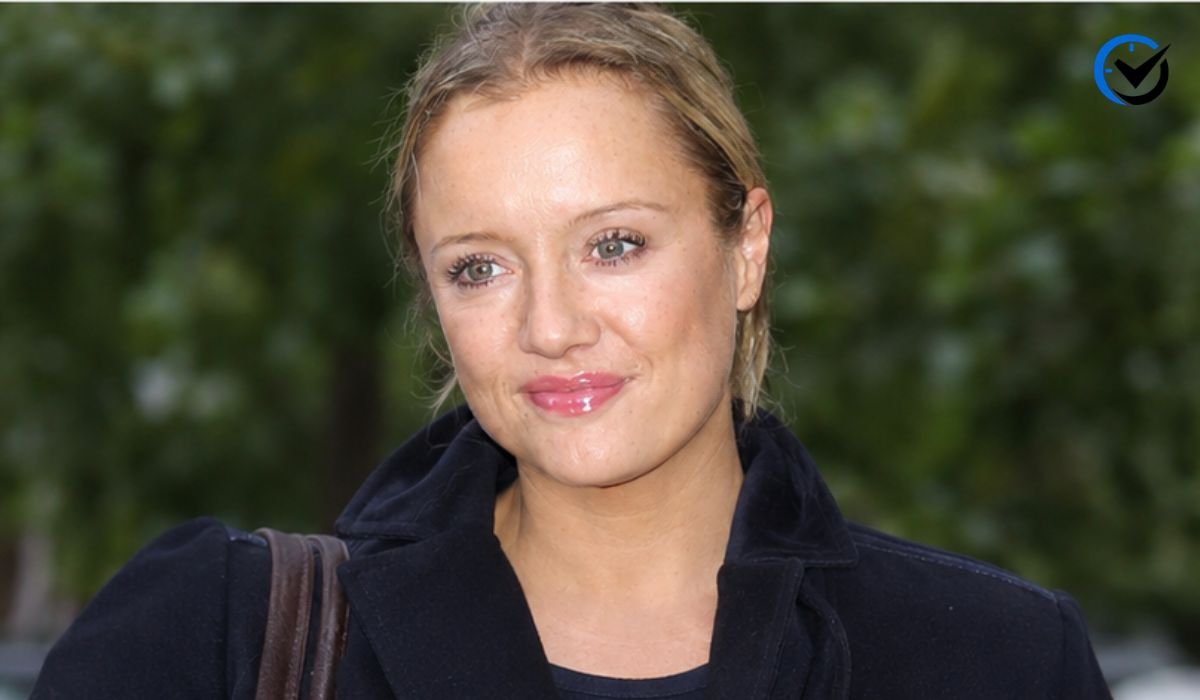
Lucy Davis began appearing on British television during the early 1990s, building experience through guest parts rather than finding instant fame. Her early credits included appearances in programs such as The Detectives, Woof!, and the long-running medical drama Casualty. These jobs exposed her to three different production environments: situation comedy, family entertainment, and serious episodic television. Small roles can be important training grounds because performers must establish a character quickly, follow the established tone of a series, and make an impression with limited screen time. Davis gradually demonstrated that she could fit into an ensemble without disappearing inside it, an ability that later became one of her greatest strengths.
Pride and Prejudice and Period Drama Experience
In 1995, Davis appeared as Maria Lucas in the BBC adaptation of Jane Austen’s Pride and Prejudice. Although Maria was not a leading character, the production became one of the era’s most celebrated British period dramas and introduced Davis to a large international audience. The role required a different kind of discipline from modern comedy: historically appropriate behavior, carefully controlled speech, and convincing participation in a formal social world. Working within such a respected ensemble also gave her early experience on a production whose cultural life would extend far beyond its original broadcast. The credit remains noteworthy because it showed, years before The Office, that Davis could support a highly detailed story while giving a smaller character a recognizable personality.
Building an Audience Through Radio
Davis also developed her acting skills away from the camera through BBC Radio 4’s The Archers. She played Hayley Jordan for several years, using only her voice to communicate personality, relationships, and emotional development. Radio acting strengthened three abilities that carried into her television work: clear vocal characterization, careful response to scene partners, and the power to make ordinary conversation interesting. Without costumes or facial expressions, every hesitation and shift in tone must help the listener understand what a character feels. This experience likely contributed to the conversational realism she later brought to Dawn Tinsley. It also demonstrates that Davis’s career was built across different formats, not solely through a few famous screen appearances.
The Office and Her Breakthrough as Dawn Tinsley
The major turning point arrived in 2001 when Lucy Davis was cast as receptionist Dawn Tinsley in the BBC’s The Office. Created by Ricky Gervais and Stephen Merchant, the mockumentary followed the uncomfortable daily life of employees at the fictional Wernham Hogg paper company. Dawn worked because Davis balanced three sides of her personality: dry amusement at office absurdity, disappointment over her stalled artistic ambitions, and emotional uncertainty involving Tim Canterbury. She never reduced Dawn to the familiar role of a sarcastic receptionist or romantic interest. Instead, she made her feel like an ordinary person quietly realizing that an unsatisfying life could become permanent. The show ran for two series and Christmas specials, but its influence—and Davis’s association with it—became international.
Why Dawn and Tim’s Story Endured
The relationship between Dawn and Tim became the emotional center of The Office because it was grounded in hesitation rather than grand romance. Dawn was engaged to warehouse worker Lee, while Tim’s feelings remained largely unspoken, creating tension through glances, unfinished conversations, and missed opportunities. Davis made that story convincing in three important ways: she allowed Dawn’s affection for Tim to appear gradually, portrayed the practical fear that kept her in a poor relationship, and avoided turning Lee into the only explanation for Dawn’s unhappiness. The Christmas finale gave viewers an emotional resolution without changing the program’s realistic tone. Her performance proved that a quiet character could carry enormous dramatic weight inside a comedy built around awkward behavior and workplace failure.
Shaun of the Dead and Cult-Film Recognition
In 2004, Davis played Dianne in Edgar Wright’s horror-comedy Shaun of the Dead, appearing alongside Simon Pegg, Nick Frost, Kate Ashfield, and Dylan Moran. Dianne is an aspiring actress whose theatrical instincts become unexpectedly useful when the group tries to imitate zombies. The part allowed Davis to show three complementary comic skills: committed physical performance, an ability to remain serious during absurd situations, and precise ensemble timing. Rather than competing with the film’s louder personalities, she created humor through earnestness and observation. The movie became a defining British genre comedy, giving Davis recognition among viewers who may not have watched The Office. It also established her as an actress who could enter heightened, fantastical material while keeping her character emotionally believable.
Moving Between British and American Productions
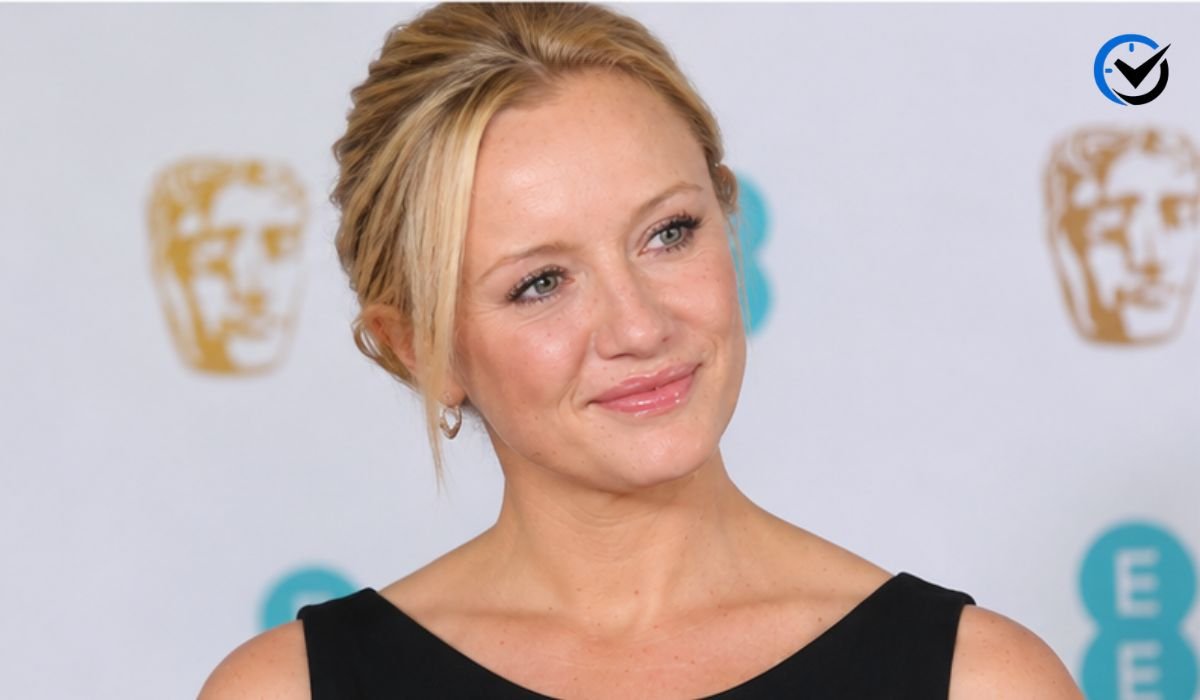
After her British breakthrough, Lucy Davis began working more frequently in American film and television. This transition involved more than changing locations; British workplace humor often relies on silence and discomfort, while American network comedy typically favors faster pacing and clearer punch lines. Davis adjusted without abandoning her understated style. Her work during this period included film appearances in Garfield: A Tail of Two Kitties, The TV Set, All About Steve, and Some Guy Who Kills People, along with television roles in series such as Studio 60 on the Sunset Strip, Ugly Betty, Californication, and The Mentalist. Together, these projects expanded her professional range, introduced her to American audiences, and showed casting directors that her comic identity could travel.
Key Strengths Behind Lucy Davis’s Longevity
Davis has sustained a long career without relying on one genre or a conventional leading-lady image. Her most recognizable strengths can be summarized in a single practical set:
- Understated comedy: She can create humor through timing, discomfort, and reaction rather than oversized delivery.
- Ensemble awareness: She supports the rhythm of a cast while ensuring that her character remains distinctive.
- Emotional warmth: Even in horror, fantasy, or satire, she gives viewers a human figure they can trust.
These qualities connect roles that initially appear unrelated. Dawn is restrained and disappointed, Dianne is cheerfully theatrical, Etta Candy is energetic and practical, and Hilda Spellman is nurturing yet dangerous when necessary. Each performance feels different, but all benefit from Davis’s ability to locate the compassionate center of a character.
Wonder Woman and Her Hollywood Blockbuster Role
In 2017, Lucy Davis reached one of the largest global audiences of her career as Etta Candy in Patty Jenkins’s Wonder Woman. Etta serves as Steve Trevor’s secretary and helps Diana navigate London during World War I. Davis provided comedy, but the character also had a practical function: she translated unfamiliar social customs, questioned unequal expectations placed on women, and helped the central group complete its mission. Her bright delivery gave the film moments of relief without treating the historical danger as meaningless. Appearing opposite Gal Gadot and Chris Pine placed Davis inside a major superhero production while preserving the qualities audiences already appreciated in her work. Etta Candy demonstrated that a supporting comic character could add warmth, context, and personality to a large-scale action story.
Reinvention as Hilda Spellman
Davis began another major career chapter in 2018 when she joined Netflix’s Chilling Adventures of Sabrina as Hilda Spellman. The series offered a darker interpretation of the Archie Comics world, with Hilda living alongside her sister Zelda and niece Sabrina. Davis initially presented Hilda as gentle, anxious, and domestic, but the performance gradually revealed resilience, magical power, and a strong protective instinct. Three contrasts made the character especially engaging: kindness existed beside violence, insecurity developed into confidence, and comic warmth survived within Gothic horror. Hilda could prepare comforting food in one scene and confront a supernatural threat in another. Across the show’s four parts, Davis transformed a potentially supporting household figure into one of its most emotionally dependable characters.
The Villains of Valley View and Family Television
From 2022 to 2023, Davis appeared as Eva Madden, also known as the supervillain Surge, in Disney Channel’s The Villains of Valley View. The show followed a family of villains hiding in a Texas suburb after turning against the powerful leader of their criminal organization. Eva allowed Davis to combine three areas of experience accumulated across her career: broad family comedy, fantasy action, and the role of a caring but unconventional guardian. The performance was more energetic than Dawn Tinsley and lighter than Hilda Spellman, illustrating her control over tone. It also introduced her to younger viewers who knew neither the original Office nor her earlier British work, proving that her appeal could cross generations as well as national markets.
Personal Health Challenges and Professional Resilience
Lucy Davis’s career has unfolded alongside significant health challenges. She experienced kidney failure and received a kidney transplant in 1997, with her mother serving as the donor; she has also spoken publicly about living with diabetes. In August 2026, Davis disclosed that she had been diagnosed approximately 18 months earlier with stage 4 breast cancer that had spread to her bones. In her public statement, she emphasized humor, meaningful living, animal advocacy, and her desire to continue acting when able. These facts should be discussed with care rather than used as dramatic decoration. Her openness offers three responsible takeaways: small physical changes deserve medical attention, serious illness does not erase a person’s identity, and public figures have the right to describe health on their own terms. Diabetes UK and Entertainment Weekly provide further context.
Animal Advocacy and Public Values
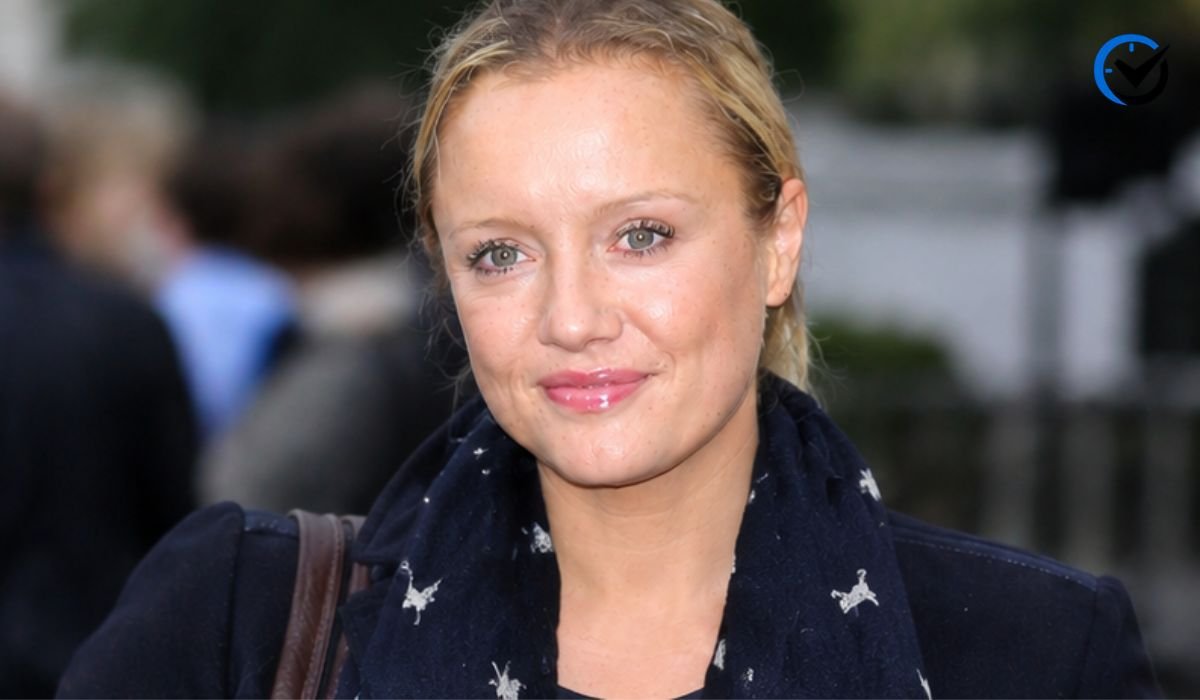
Away from acting, Davis has repeatedly shown concern for animal welfare. She has supported animal-rights causes and participated in public campaigning, including an anti-fur campaign connected to the use of bearskin caps. Her advocacy adds another dimension to her public identity because it is sustained by personal conviction rather than attached to a film promotion. The three themes visible in this work are compassion for animals, willingness to use public attention for a cause, and consistency between private values and public activity. Even while discussing her cancer diagnosis in 2026, she stated that she wanted to continue her animal-rights work. That commitment shows how Davis understands public recognition: not simply as professional visibility, but also as a tool for supporting issues she considers important.
Lucy Davis’s Influence on British and International Comedy
Lucy Davis occupies a distinctive place in modern comedy because her best performances resist the pressure to demand attention. Dawn Tinsley helped define the emotional realism of the British mockumentary, Dianne contributed to the ensemble precision of a landmark horror-comedy, and Hilda Spellman brought humanity to a supernatural streaming drama. These roles also trace wider changes in entertainment: British television gained a global audience, genre comedy became more mainstream, and streaming platforms made internationally mixed casts familiar to viewers. Davis’s influence is therefore less about imitation and more about method. She demonstrates that listening can be as funny as speaking, vulnerability can strengthen comedy, and a supporting character can become the person audiences remember most warmly.
Final Thoughts
The Lucy Davis career timeline is not a simple climb from small roles to Hollywood fame. It is the story of an adaptable British actress who developed through television, radio, period drama, workplace comedy, cult cinema, superhero spectacle, streaming horror, and family entertainment. Her career-defining performances as Dawn Tinsley, Dianne, Etta Candy, Hilda Spellman, and Eva Madden reveal consistency beneath the variety: precise comic timing, generous ensemble work, and emotional honesty. Her public resilience during major health challenges has added further depth to the respect audiences feel for her. From British comedy to Hollywood and beyond, Lucy Davis has shown that a performer does not need to dominate every scene to leave a lasting impression.
Frequently Asked Questions About Lucy Davis
1. Who is Lucy Davis?
Lucy Davis is an English actress known for British and American film and television work. Her best-known roles include Dawn Tinsley in The Office, Dianne in Shaun of the Dead, Etta Candy in Wonder Woman, and Hilda Spellman in Chilling Adventures of Sabrina.
2. How old is Lucy Davis?
Lucy Davis was born on February 17, 1973. She turned 53 years old in February 2026.
3. Where was Lucy Davis born?
She was born in Solihull in England’s West Midlands. Her background helped connect her to the distinctive comedy culture associated with Birmingham and the surrounding region.
4. Who is Lucy Davis’s father?
Her father is Robert Davis, professionally known as Jasper Carrott. He is a successful British comedian, actor, and television personality.
5. Who did Lucy Davis play in The Office?
Davis played receptionist Dawn Tinsley in the original British version of The Office. Dawn’s complicated feelings for Tim Canterbury formed the show’s main romantic storyline.
6. Was Lucy Davis in Pride and Prejudice?
Yes, she played Maria Lucas in the BBC’s 1995 adaptation of Pride and Prejudice. It was an early role in her career and placed her in one of Britain’s most famous television period dramas.
7. What was Lucy Davis’s role in Shaun of the Dead?
She played Dianne, an aspiring actress and member of the central group of survivors. Her character memorably uses acting exercises to teach the group how to move like zombies.
8. Who did Lucy Davis play in Wonder Woman?
Davis portrayed Etta Candy, Steve Trevor’s capable and humorous secretary. Etta helps Diana understand British society and supports the group’s wartime mission.
9. Did Lucy Davis appear in Sabrina?
Yes, she played Hilda Spellman in Netflix’s Chilling Adventures of Sabrina. Her version of Hilda combined maternal kindness, eccentric humor, magical knowledge, and hidden strength.
10. What Disney series featured Lucy Davis?
She starred in The Villains of Valley View as Eva Madden, whose villain identity was Surge. The Disney Channel comedy aired from 2022 to 2023.
11. Has Lucy Davis experienced serious health problems?
Yes, Davis received a kidney transplant in 1997 and has lived with diabetes. In 2026, she publicly revealed that she had stage 4 breast cancer, while expressing her wish to keep working and supporting animal-rights causes.
12. What makes Lucy Davis’s acting style distinctive?
She is particularly skilled at restrained comedy, expressive reactions, and emotionally sincere ensemble acting. Those strengths allow her to remain memorable in realistic sitcoms, supernatural dramas, action films, and family comedies.
Recommended: Alex Warren’s Rise to Fame: Music, Social Media, and Success




One Comment