


Exhentaime is a name that has begun appearing in online discussions about digital entertainment, illustrated galleries, and anime-inspired media. However, dependable public information about the name remains limited, and different websites may describe it in different ways. Some pages present it as an online content platform, while others appear to connect the term with established adult gallery services that have similar names. This lack of clarity makes it important to separate confirmed information from guesswork. Rather than assuming that every page using the name belongs to one official service, users should examine the exact website they encounter. This guide explains what the term may represent, why it attracts attention, how platforms of this kind generally operate, and what visitors should consider before creating an account, downloading files, or sharing personal information.
What Is Exhentaime?
Exhentaime appears to be an emerging or unofficial term associated with online visual content, particularly anime-style illustrations and digital galleries. It does not currently have the widely documented company history, ownership details, public leadership, or stable product information expected from a major established platform. The name may refer to a specific website, an alternative spelling, an unofficial project, or content created to capture interest in similarly named services. Because its meaning is not consistent, readers should avoid treating every description as verified. A professional-looking homepage or confident promotional article does not prove that a platform is genuine. The safest description is that it is an unclear digital label connected with online media browsing, with its exact identity depending on the domain or page where a user finds it.
Why the Name Causes Online Confusion
The spelling of Exhentaime closely resembles the names of older image-hosting platforms associated with anime artwork and mature illustrated content. This similarity can lead visitors to believe that the services are officially connected even when no such relationship has been demonstrated. Small spelling changes are commonly used for fan projects, unofficial mirrors, imitation pages, redirect sites, and domains designed to benefit from typing errors. A visitor may therefore reach a page that looks familiar but is controlled by a completely different operator. This matters most when the site requests login details, payment information, notification access, or software installation. Users should carefully check the spelling, domain history, legal pages, and account requirements before continuing. Similar branding should be treated as a reason to investigate, not as proof of authenticity.

How Digital Gallery Platforms Usually Work
Online gallery platforms generally arrange images, comics, artwork, scans, or illustrated stories into collections that can be opened through a web browser. Visitors may explore content through categories, tags, languages, creators, characters, series names, or upload dates. Some platforms allow public browsing, while others require registration before users can view certain collections. Account holders may receive additional features such as favorites, viewing history, comments, ratings, personal lists, advanced filters, or download tools. Community members may also upload files and help organize them by adding descriptions or correcting labels. Although these features make large archives easier to navigate, their availability cannot be confirmed for every page carrying the Exhentaime name. The exact functions, rules, and access system may vary depending on which website a person reaches.
What Makes These Platforms Appealing?
The strongest appeal of a digital gallery is convenient access to a large amount of visual material in one place. Instead of moving between scattered forums, artist profiles, social networks, and discussion groups, visitors can browse organized collections through a single interface. Filters may help users discover unfamiliar creators, locate artwork connected with a favorite fictional series, or find content in a preferred language. Community features can make the experience more useful by allowing members to organize galleries, correct inaccurate information, and recommend collections. Fans may also enjoy seeing different drawing styles, fan-created stories, translations, and artistic interpretations. However, convenience does not guarantee accuracy, legality, or safety. Users still need to consider whether material was uploaded with permission and whether the platform handles private information responsibly.
How Exhentaime May Be Used
If Exhentaime leads to a working gallery service, visitors would probably use it by opening collections, moving between images, applying filters, and exploring content categories. Registration might provide tools for saving favorites, recording reading progress, adjusting display preferences, or joining discussions. These functions should be viewed as common possibilities rather than confirmed platform features because reliable official documentation remains difficult to identify. Users should begin with limited interaction and avoid providing unnecessary information until they understand the service. It is also wise to review the page’s permissions before accepting cookies, notifications, or account access. If ordinary browsing suddenly requires an unknown application, browser extension, or downloaded program, visitors should stop and evaluate the request instead of assuming that the software is necessary.
Understanding Accounts and Privacy
Creating an account on an unfamiliar entertainment website may expose more personal information than users expect. A platform can potentially record email addresses, login times, device types, approximate locations, viewing histories, saved collections, comments, and browsing patterns. This data can be especially sensitive when the website contains adult material. Visitors should use a unique password that has never been used for email, banking, work, shopping, or social media accounts. They should also avoid sharing a real name, phone number, home address, identity document, or payment details unless the service clearly explains why the information is required. A trustworthy privacy policy should describe what data is collected, how it is used, how long it is stored, and whether it is shared with outside companies. Missing or unclear policies are a warning sign.
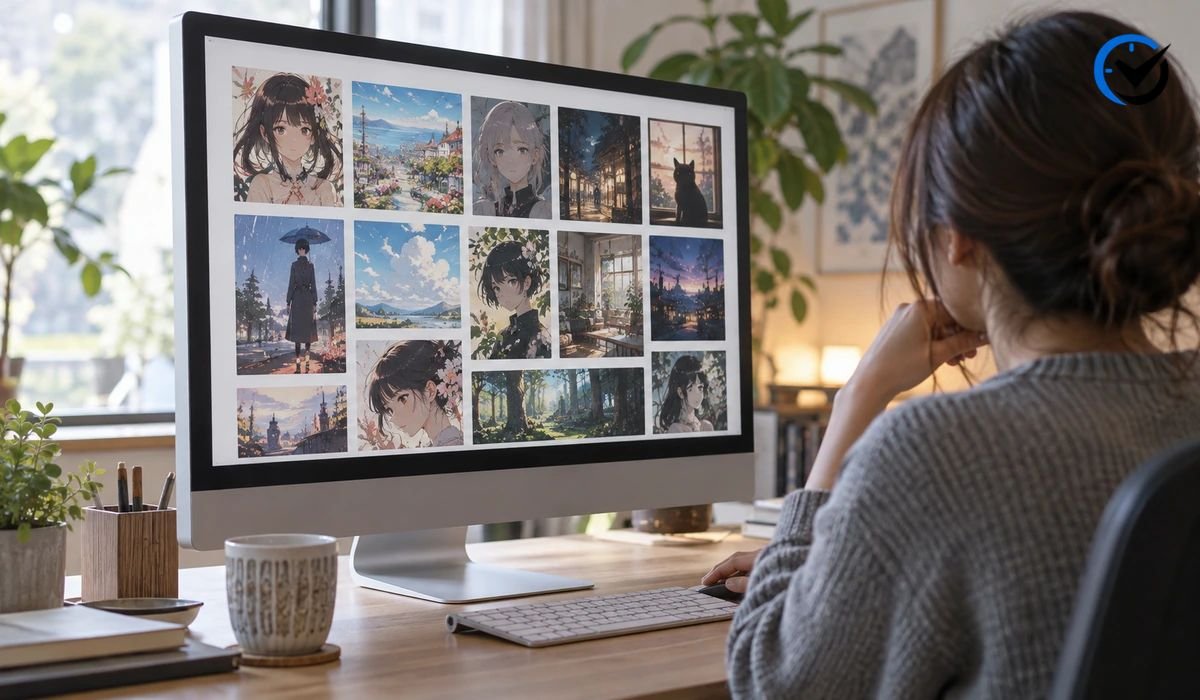
Age Restrictions and Content Suitability
Because the term is often associated with illustrated media that may include mature themes, Exhentaime should be treated as potentially unsuitable for minors. Age warnings should be taken seriously, even when the content is animated or fictional rather than photographic. Parents and guardians can use device controls, supervised accounts, filtered networks, and age-appropriate browser settings to reduce accidental exposure, but technical filters alone are never perfect. Honest conversations about online boundaries and misleading links are equally important. Adult visitors should also remain aware that local laws may restrict certain types of illustrated material. Anything that appears unlawful, abusive, exploitative, or connected with minors should never be opened further, saved, downloaded, or redistributed. Users should leave the page immediately and use an appropriate reporting channel when one is available.
Security Risks Visitors Should Recognize
Unknown gallery websites can carry risks such as aggressive advertisements, misleading download buttons, browser notification traps, repeated redirects, copied login forms, unwanted subscriptions, and harmful files. A padlock symbol in the browser does not prove that a service is trustworthy; it only shows that information traveling between the browser and website is encrypted. Visitors must still evaluate who operates the platform and what the page is asking them to do. Common warning signs include urgent claims that a device is infected, requests to disable security tools, automatic file downloads, unusual payment demands, and extensions asking to read activity on unrelated websites. Keeping the browser and operating system updated can reduce exposure to known problems. When a page behaves unexpectedly, closing it is safer than clicking through every prompt.
Copyright and Respect for Creators
Artwork being publicly visible does not mean it is free to copy, publish, sell, or redistribute. Artists, writers, translators, photographers, and publishers may continue to own their work even when it appears in a gallery without a payment barrier. Some creators permit fan sharing under certain conditions, while others allow their work to appear only on official stores or personal pages. Gallery uploads may also contain incorrect creator names, removed signatures, cropped watermarks, or unofficial translations. Responsible users should attempt to identify the original creator and review any stated sharing rules before reposting material elsewhere. Private viewing, public sharing, commercial use, and large-scale downloading are different actions with different consequences. Supporting official releases gives creators greater control over their work and helps them continue producing new material.
How to Evaluate Whether the Platform Is Genuine
A dependable online platform normally provides consistent branding, understandable policies, working contact details, clear account controls, and a reasonable explanation of who manages the service. Users should look beyond the homepage and examine whether privacy information, content rules, copyright procedures, age restrictions, and account-deletion options are available. Independent user experiences can provide useful context, but reviews should not be accepted blindly because promotional comments and exaggerated warnings can both be misleading. Domain age, traffic, and secure connections may offer clues, but none of these factors proves legitimacy by itself. A better judgment comes from combining several signs, including transparent ownership, stable behavior, limited permission requests, effective moderation, secure password recovery, and respectful data handling. If these signals are missing, visitors should limit their interaction or leave the site.
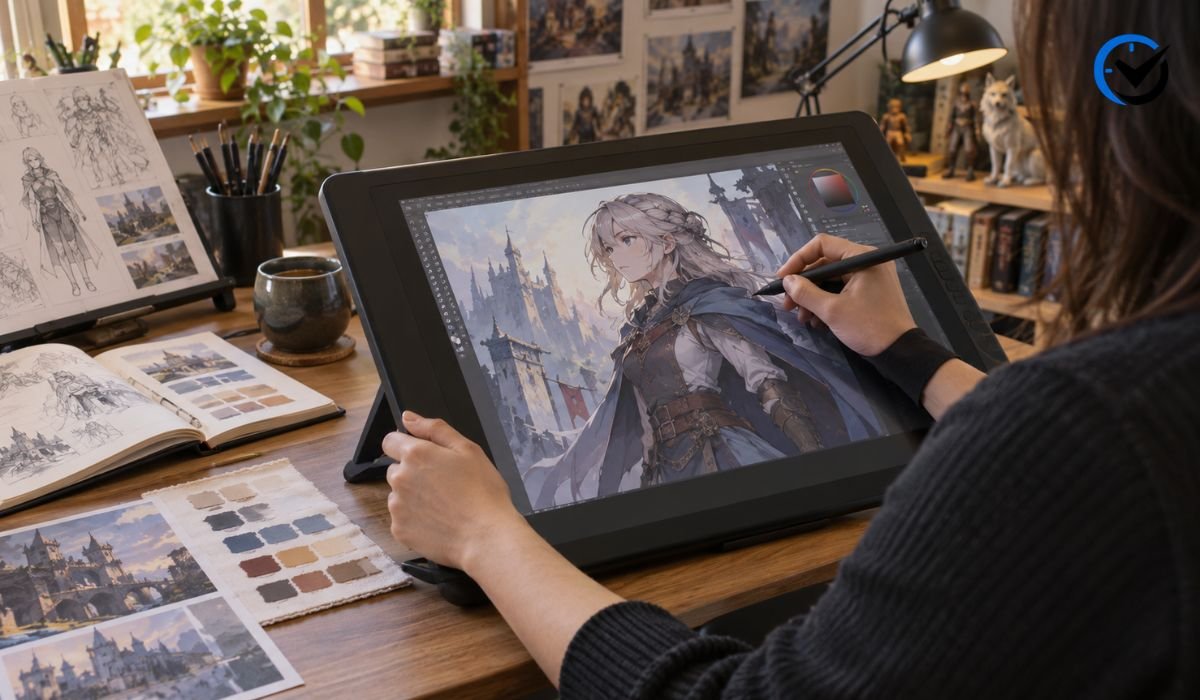
Safer and More Responsible Browsing Habits
Users can reduce risk by entering unfamiliar platforms carefully and sharing as little personal information as possible. Browser notifications should remain blocked unless they provide a clear benefit, and downloads should be scanned with trusted security software before being opened. Passwords should be unique, account recovery details should be protected, and suspicious extensions should be avoided. Visitors should also check whether a page repeatedly redirects them or places invisible advertising layers over buttons. Using an updated browser, reviewing stored permissions, and clearing unwanted cookies can strengthen everyday privacy. Responsible browsing also includes respecting age limits, local laws, content warnings, and creator rights. No collection is important enough to justify exposing a device, personal account, or identity to a service that cannot explain who operates it or why it needs extensive access.
Final Thoughts
Exhentaime remains an uncertain online name rather than a clearly documented platform with one confirmed purpose, owner, and permanent identity. It may describe an emerging gallery, an unofficial label, a misspelling, or a page attempting to resemble an established service. That uncertainty does not automatically prove that every related website is dangerous, but it does mean users should avoid making confident assumptions. The exact domain, operator, policies, and behavior matter more than the name alone. Anyone who encounters the platform should protect personal information, avoid unnecessary installations, respect mature-content restrictions, and think carefully before downloading or sharing files. A calm and informed approach makes it easier to enjoy digital art and online communities without overlooking privacy, security, legal, or ethical concerns.
Frequently Asked Questions
1. Is Exhentaime an official online platform?
Exhentaime is not currently supported by enough dependable public information to describe it confidently as one established official platform. The term may be connected with a new website, unofficial service, alternative spelling, or unrelated pages using the same name. Users should inspect the exact domain and its ownership information before trusting it.
2. Is Exhentaime the same as ExHentai?
The names are similar, but similar spelling does not confirm that they are the same service. ExHentai is associated with an established adult gallery ecosystem, while Exhentaime has a less clearly documented identity. Visitors should treat them as separate names unless official information proves a direct relationship between them.
3. Does the platform contain adult content?
Online discussions often connect the term with mature anime-style or illustrated material, so visitors should assume that adult content may appear. However, not every website using the name necessarily offers the same material. Minors should avoid such pages, and adults should review content warnings before continuing.
4. Is it safe to register for an account?
Account safety cannot be guaranteed when ownership, privacy practices, and security history are unclear. Anyone choosing to register should use a unique password and provide only essential information. A website requesting an identity document, phone number, or payment details without a clear reason should be treated with caution.
5. Why might the website be unavailable?
A page may be unavailable because of server maintenance, technical problems, regional restrictions, domain changes, account requirements, or permanent closure. An outage does not automatically mean something is wrong with the visitor’s device. Users should avoid unofficial programs that claim they can restore access or remove restrictions.
6. Should users download files from it?
Downloading from an unfamiliar service can create security and copyright risks. Files may be mislabeled, altered, or packaged with unwanted software. If a download is permitted and lawful, users should scan it before opening it. Unexpected executable programs should never be launched simply to view an image collection.
7. Are browser extensions required?
A normal gallery should explain clearly why an extension is needed and what permissions it uses. Third-party extensions can improve navigation, but they may also read browsing activity or stored information. Users should check the developer, reputation, update history, and requested permissions before installing anything.
8. How can visitors protect their privacy?
Visitors can protect themselves by limiting personal details, rejecting unnecessary cookies, blocking notifications, and avoiding social account logins. They should use unique passwords and review browser permissions after leaving. The simplest privacy rule is to provide an unknown service with no more information than it genuinely needs.
9. Can gallery content be reused freely?
Public access does not remove copyright protection. Images, comics, scans, and translations may still belong to artists, publishers, or other rights holders. Before reposting or using material commercially, users should identify the original creator, check the stated license, and obtain permission when required.
10. What should someone do if the page looks suspicious?
The safest response is to close the page without accepting additional prompts. Users should remove unexpected browser permissions, inspect recently installed extensions, and scan any downloaded files. If they entered a reused password, they should change it immediately on every account where the same password was used.
Recommended: CJMonsoon for Wavers How to Choose Caps That Actually Fit





One Comment