

Gaming has changed from a simple form of entertainment into a broad hobby that includes competitive matches, story-driven adventures, strategy games, simulations, and online communities. As games become more detailed, players often look for ways to improve their skills, understand difficult mechanics, and make better decisions during play. The phrase Game Hacks LCFGameNews From LyncConf can appear in searches connected with gaming tips, tricks, guides, and game-related information. However, the word “hacks” can mean different things depending on the context. It may refer to harmless gameplay shortcuts and useful techniques, while in other cases it can describe cheats or unauthorized modifications. Understanding that difference is important for anyone who wants to improve without putting an account, device, or gaming experience at risk.
Understanding the Term and Its Context
The first step is to understand what this type of gaming content is actually meant to provide. Gaming news and guide platforms often combine walkthroughs, strategy suggestions, updates, tips, and discussions about popular titles. LCFGameNews and LyncConf may therefore be associated with content that helps players discover new approaches to familiar games. A useful gaming guide should explain mechanics, provide practical advice, and help a player make informed choices. It should not encourage behavior that violates a game’s rules or creates an unfair advantage in competitive environments. Readers should always consider the context before treating a “hack” as something they should install or use.
What Players Usually Mean by Game Hacks
In everyday gaming language, a hack does not always mean a piece of cheating software. Many players use the term to describe a clever trick, efficient strategy, hidden mechanic, shortcut, or unusual method for solving a problem. For example, learning an effective way to manage resources in a strategy game could be called a gaming hack. Finding a faster route through a difficult level can also fit the description. These techniques are generally different from external cheat tools that change game behavior. Knowing the distinction helps players find useful advice while avoiding risky downloads and unfair methods.

Why Gameplay Knowledge Matters
Strong gameplay is rarely based on reflexes alone. Understanding the rules, objectives, maps, equipment, characters, and timing systems of a game can make a major difference. A player who understands why an ability works is usually better prepared than someone who simply copies a move from another player. Good gaming resources can shorten the learning process by explaining complicated systems in simple language. This is particularly useful for new players who may otherwise spend hours experimenting without understanding why certain decisions succeed or fail.
Learning Through Guides and Walkthroughs
Walkthroughs are valuable because they turn difficult sections into manageable problems. A well-written guide can explain where to go, what to expect, how a mechanic works, and which mistakes commonly cause failure. The best approach is not to follow every instruction blindly. Instead, players should use a guide to understand the reasoning behind a successful strategy. Once that knowledge is clear, they can adapt it to their own play style. This makes guides more than simple instructions; they become learning tools that help players develop independent decision-making skills.
Improving Strategy Instead of Relying on Cheats
Players sometimes turn to cheats because they become frustrated with repeated losses or difficult challenges. While an unauthorized advantage may seem convenient, it often removes the learning process that makes games rewarding. Improving strategy offers a more lasting benefit. Players can study opponents, recognize patterns, improve positioning, manage resources carefully, and understand when to attack or defend. These skills can transfer across different games. A player who develops strong decision-making habits is more likely to adapt when a game changes or introduces a new challenge.
The Value of Practice and Repetition
Practice remains one of the most reliable ways to improve gameplay. Repetition helps players develop timing, movement, accuracy, memory, and awareness. However, practice becomes more useful when it has a purpose. Instead of playing for hours without analyzing performance, a player can focus on one weakness at a time. Someone struggling with aiming might practice accuracy, while a strategy player could concentrate on resource management. Small improvements eventually become habits, and those habits can have a much greater effect than a quick shortcut.
Using Game Mechanics to Your Advantage
Every well-designed game contains systems that reward players who understand its mechanics. These may include stamina management, cooldowns, crafting, enemy patterns, terrain, character abilities, or economy systems. Learning how these elements interact can provide a legitimate advantage. Players should read in-game descriptions, experiment with different options, and pay attention to results. A mechanic that initially appears minor may become extremely useful when combined with another system. Understanding these interactions is one of the safest and most effective meanings of a gameplay “hack.”
Staying Current With Game Updates
Modern games frequently receive patches, balance changes, new content, and bug fixes. A strategy that worked several months ago may no longer be effective after an update. This makes current gaming information particularly valuable. Players should check whether a guide reflects the version they are currently playing. Changes to character abilities, weapons, maps, rewards, or enemy behavior can completely alter established strategies. Staying informed prevents players from wasting time following outdated advice and helps them understand why familiar techniques may suddenly produce different results.
Recognizing Safe Gaming Advice
Not every gaming tip found online deserves trust. Players should be cautious when content makes unrealistic promises, demands unusual downloads, or asks for account information. A legitimate gameplay guide generally explains a technique without requiring access to private credentials. Players should also be careful with files described as trainers, modified clients, or cheat programs, especially when their source is unclear. Even when a tool appears to work, it may create security, account, or compatibility problems. Safe advice should improve knowledge rather than pressure players into risky actions.
Why Unauthorized Game Modifications Can Be Risky
Unauthorized modifications can create several problems depending on the game and platform. Online games commonly have rules against cheating, automated play, or software that changes gameplay. Violations may result in warnings, temporary restrictions, or permanent account bans. Downloaded files can also introduce unwanted software, especially when they come from unknown sources. Players should therefore understand the rules for a particular game before using any modification. Community-created mods can be perfectly legitimate in some games, but that does not mean every modification is safe or permitted everywhere.
Single-Player and Multiplayer Games Are Different
The effect of a gameplay shortcut depends heavily on the type of game. In a single-player title, certain built-in cheats or approved modifications may simply change how an individual experiences the game. Multiplayer environments are different because one player’s actions can affect other people. Using unauthorized tools to gain an advantage can damage fair competition and negatively affect the community. Players should always check the specific rules of the game and platform rather than assuming that something acceptable in a single-player environment is also acceptable online.
Improving Reaction Time and Decision-Making
Better performance often comes from combining mechanical skill with good decisions. Reaction time can improve through regular practice, but decision-making requires awareness and experience. Players should learn to recognize situations before reacting to them. In competitive games, watching an opponent’s movement, tracking available resources, and predicting likely actions can create an advantage without any external assistance. Reviewing mistakes after a match can also reveal patterns. Instead of asking only why a player lost, it is more useful to ask what decision led to the problem and what could have been done differently.
Choosing the Right Settings
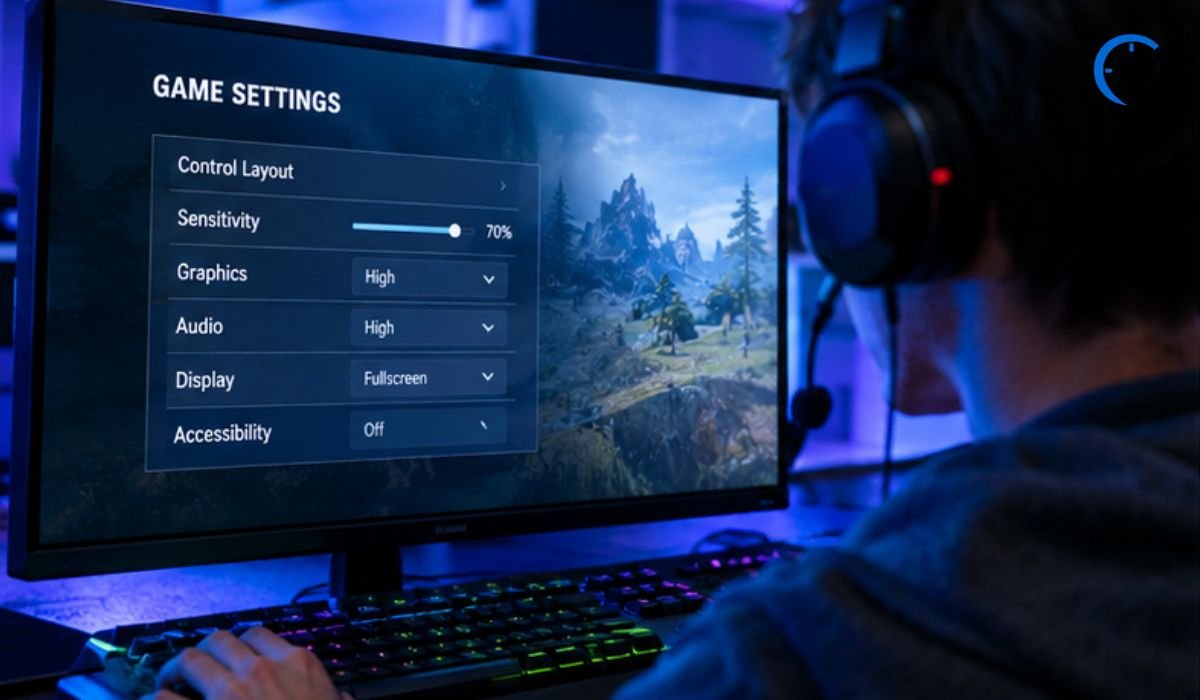
Game settings can have a surprisingly large effect on comfort and performance. Players can often adjust controls, sensitivity, graphics, audio, display options, and accessibility features to match their preferences. The ideal configuration is different for every person, so copying another player’s settings is not always helpful. The better method is to make one change at a time and test its effect. Comfortable controls reduce unnecessary distractions and allow players to focus more fully on the game itself. These adjustments are legitimate ways to improve performance without changing the game’s underlying rules.
Learning From Experienced Players
Watching skilled players can reveal techniques that are difficult to discover alone. Streams, recorded matches, tournaments, and community discussions can demonstrate positioning, timing, resource management, and decision-making. The most useful learning comes from observing why an experienced player makes a particular choice. Simply copying movements may not work in another situation. Players should look for patterns that can be adapted to their own level of experience. This turns observation into active learning rather than passive entertainment.
Avoiding Common Gaming Mistakes
Many gameplay problems come from habits rather than a lack of ability. Players may rush into encounters, ignore objectives, waste resources, overlook warnings, or repeat the same unsuccessful approach. Identifying these habits is an important part of improvement. A simple change in pacing can sometimes make a major difference. Taking a moment to assess the situation before acting often produces better results than immediately reacting. Good gaming advice should help players recognize these patterns and replace them with more effective habits.
Building a Personal Improvement Routine
Players who want consistent progress can create a simple routine around their gaming sessions. They might spend a short period practicing a difficult mechanic, play several matches with one specific goal, and then review what worked. This approach keeps improvement focused and measurable. It also prevents practice from becoming frustrating. The goal is not to become perfect immediately but to make each session slightly more productive. Over time, small gains in accuracy, awareness, timing, and decision-making can produce significant improvements.
Responsible Use of Gaming Communities
Gaming communities can be excellent sources of knowledge, but they also contain conflicting opinions and questionable advice. Players should compare different explanations before accepting a claim, particularly when it involves software, account safety, or game rules. Community discussions are most useful when they provide practical examples and explain the reasoning behind recommendations. Players should also respect other members and avoid promoting methods that ruin competitive experiences. A healthy gaming community helps people learn while keeping the focus on enjoyable and fair play.
How LCFGameNews and Similar Content Can Help
Content associated with LCFGameNews from LyncConf can be useful when it gives players understandable information about games, strategies, updates, and common challenges. The value depends on the quality and accuracy of the specific material rather than the name alone. Readers should evaluate whether advice is current, whether claims are clearly explained, and whether suggested methods follow the rules of the game. Used thoughtfully, gaming guides can help players discover better techniques, understand unfamiliar mechanics, and approach difficult challenges with greater confidence.
What to Look for in a Useful Gaming Guide
A useful guide should answer a real gameplay question rather than simply promise an easy win. It should explain the situation, provide practical steps, and make clear when a particular technique works best. Good guides also recognize that games can have different versions, difficulty levels, platforms, and play styles. Readers should be able to understand the advice without needing unexplained technical knowledge. The strongest resources encourage players to understand the game rather than depend permanently on someone else’s instructions.
Final Thoughts
Game Hacks LCFGameNews From LyncConf can be understood as part of the broader world of gaming tips, tricks, strategies, and guides, but the term “hacks” should be treated carefully. Legitimate gameplay techniques can help players understand mechanics, improve decision-making, practice effectively, and enjoy challenging games more fully. Unauthorized cheats and risky downloads are a different matter and can create problems for accounts, devices, and multiplayer communities. The most valuable improvement comes from learning how a game works, practicing with purpose, adjusting settings sensibly, and using reliable information as a learning aid. With that approach, players can become better without sacrificing fair play or account safety.
Frequently Asked Questions
1. What does Game Hacks LCFGameNews From LyncConf mean?
The phrase generally refers to gaming-related tips, tricks, strategies, or information associated with LCFGameNews and LyncConf. The word “hacks” can describe simple gameplay shortcuts, but it can also refer to cheats or unauthorized tools, so the exact meaning depends on the context.
2. Are gaming hacks always cheats?
No. In casual gaming language, a hack can mean a clever technique or shortcut that uses normal game mechanics. Cheats are different when they provide an unauthorized advantage or alter the game in ways prohibited by its rules.
3. Can gameplay guides really improve gaming skills?
Yes. Good guides can explain mechanics, strategies, common mistakes, and effective approaches. Players benefit most when they understand why a technique works and then practice applying it rather than simply copying instructions.
4. Are cheat programs safe to download?
Not necessarily. Files from unknown sources can create security and compatibility risks, and some may violate a game’s rules. Players should avoid installing software simply because it promises an easy advantage.
5. Can using cheats result in an account ban?
It can. Many online games prohibit unauthorized software, exploits, automation, or other forms of cheating. Penalties vary by game and may include temporary restrictions or permanent account suspension.
6. Are game mods the same as cheats?
No. Mods can be legitimate changes created to add content, improve accessibility, or alter a single-player experience. Whether a particular mod is allowed depends on the game, platform, and rules established by its developers.
7. What is the best way to improve at a difficult game?
Focused practice is usually more effective than simply playing for long periods. Identify one weakness, practice that area, review mistakes, and gradually add new skills. Understanding game mechanics also makes practice more productive.
8. Should players follow old gaming guides?
Older guides can still contain useful basic information, but they may become inaccurate after patches or major updates. Players should check whether the advice applies to the current version before relying on it.
9. How can players recognize trustworthy gaming advice?
Useful advice usually explains how and why a technique works. Players should be cautious with exaggerated promises, suspicious downloads, requests for account details, or methods that clearly violate game rules.
10. Can better settings improve gameplay?
Yes. Adjusting controls, sensitivity, graphics, audio, and accessibility options can make a game more comfortable and responsive. The best settings depend on the individual player, so experimentation is usually better than copying someone else’s configuration.
Recommended: Who Is Alvaro Alcaraz Garfia? Carlos Alcaraz’s Family and Life Story





One Comment