

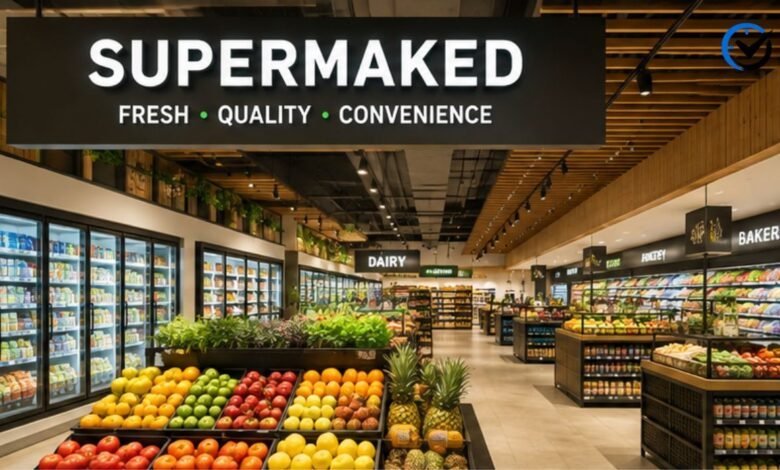
Supermaked is an unusual term that has started appearing in online discussions about grocery shopping, local markets, and modern retail. The first thing to understand is that it does not have one universally accepted dictionary definition. In different contexts, it may be used as a stylized form of “supermarket,” a name associated with grocery stores, or a broader description of modern shopping that combines physical stores with digital convenience. That distinction matters because readers should not assume every claim attached to the word refers to one company or established retail system. The most useful way to understand Supermaked is through the ideas commonly connected with it: convenient groceries, organized stores, customer-focused service, technology, and changing shopping habits.
What Is Supermaked?
In simple terms, Supermaked can be understood as a retail idea connected to the supermarket experience. Traditional supermarkets bring food, drinks, household supplies, personal-care products, and other everyday goods together in one location. The modern interpretation adds an emphasis on making that experience easier, faster, and more flexible. Depending on context, a Supermaked-style store may resemble a neighborhood grocery shop, a conventional supermarket, or a digitally supported retail environment. Because the term is still loosely used, there is no fixed checklist that determines whether a particular store qualifies.
Why the Name Can Be Confusing
The spelling is one reason people become curious about the term. “Supermaked” closely resembles “supermarket,” but it is not the standard English spelling of that word. Online sources use it inconsistently, with some treating it as a brand-style name and others describing it as a modern retail concept. It may also appear because someone is searching for supermarket-related information using a different spelling. Context is therefore important. If the word appears beside a store name, it may identify branding; if it appears in a discussion about retail innovation, it may describe a broader idea. Treating it as a formally recognized industry category would be misleading.
How It Relates to Modern Grocery Shopping
The ideas associated with Supermaked reflect genuine changes in grocery retail. Customers increasingly want to complete routine purchases with less effort while still having access to fresh food, useful choices, fair prices, and dependable service. A modern grocery operation may support several ways to shop, including visiting a physical store, ordering online, collecting an order, or receiving delivery. These options are not unique to one retail model, but together they show how grocery shopping is moving beyond the traditional one-store, one-checkout experience.
The Importance of Convenience
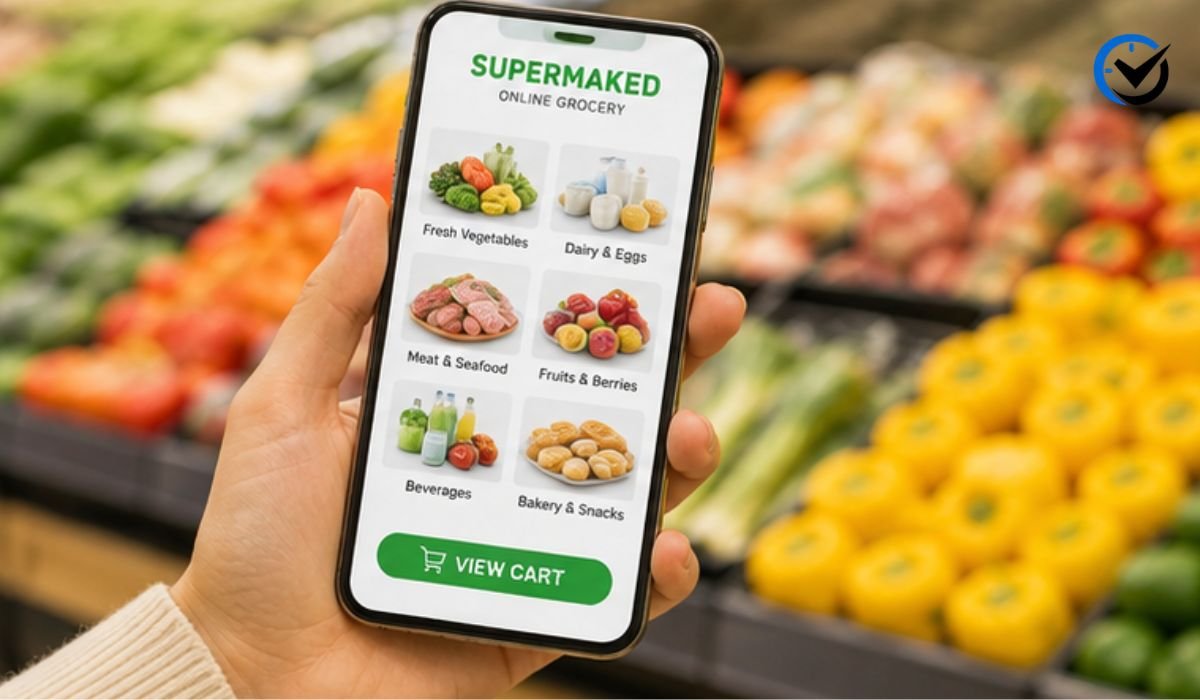
Convenience is one of the strongest themes behind this retail approach. A well-designed grocery store should help shoppers find common products quickly, understand prices clearly, and complete purchases without unnecessary delays. Smaller neighborhood formats can make short trips easier, while larger stores can provide broader selection. Digital tools can add another layer by helping customers check products, create shopping lists, compare options, or arrange delivery. The goal is not simply to make shopping faster. Good convenience reduces unnecessary effort while preserving choice, freshness, and access to human assistance when needed.
What Shoppers May Find
A typical supermarket-style operation can carry fresh fruits and vegetables, dairy products, meat, packaged foods, frozen items, beverages, snacks, cleaning supplies, toiletries, and household basics. Local stores may adjust this mix according to the needs of their communities. Some may focus more heavily on regional products, fresh bakery items, prepared meals, or specialty foods. Modern retail can also connect physical product ranges with online catalogs, giving customers more ways to discover and plan purchases. However, availability differs between retailers, so the term Supermaked should never be treated as a guarantee of a particular inventory.
Store Design and Customer Experience
Store design has a major effect on how people shop. Clear signs, sensible aisle layouts, visible prices, clean shelves, and logical product placement can make an ordinary grocery trip noticeably easier. A customer-focused store also considers lighting, walking space, checkout placement, and accessibility. These details may seem minor, but they influence how quickly shoppers locate what they need and how comfortable they feel. The modern retail idea associated with Supermaked puts value on this overall experience rather than treating a store simply as a large space filled with products.
Digital Shopping and Omnichannel Retail
A major development in grocery retail is the connection between physical and digital shopping. One customer might browse products online, visit a store to inspect fresh items, and then use delivery for heavier purchases. Another may place an order online and collect it later. This is often called omnichannel retail because several purchasing channels work together. Supermaked is sometimes described in similar terms, although there is no official standard requiring every business using the term to offer these services. The wider lesson is that modern customers increasingly expect retailers to provide choices about how, when, and where they shop.
Technology in Modern Grocery Stores
Technology can improve grocery operations without becoming the main attraction. Digital inventory systems help retailers monitor stock and reduce empty shelves. Barcode scanners and point-of-sale systems can speed up payment and improve transaction accuracy. Self-checkout offers another payment option, while mobile tools may support digital receipts, product information, loyalty programs, and online ordering. Some stores also experiment with electronic shelf labels, automated stock monitoring, and computer-assisted checkout. These systems can be useful, but they require investment, maintenance, staff training, and responsible handling of customer information.
Inventory and Product Availability
A smooth shopping experience depends heavily on inventory management. Customers become frustrated when advertised products are missing or when online stock information does not match what is available in a store. Modern systems attempt to reduce this gap by updating inventory information more frequently and giving staff better visibility into demand. Forecasting can also help retailers prepare for seasonal changes, holidays, weather events, and local buying patterns. Still, no system can guarantee perfect availability. Fresh food has a limited shelf life, deliveries can be delayed, and demand can change unexpectedly. Good inventory management improves reliability rather than promising perfection.
Fresh Food and Quality
Freshness remains central to grocery shopping regardless of how advanced retail technology becomes. Produce, dairy, meat, bakery products, and prepared foods require proper storage, temperature control, handling, and regular quality checks. Digital systems can support these tasks, but technology does not replace sound food-safety practices. Customers also benefit when stores provide clear product information and maintain clean, organized fresh-food areas. A strong retail experience is one where convenience and technology support product quality rather than distract from it.
Local Shopping and Community Value
The local-market interpretation of Supermaked also highlights the relationship between grocery stores and their communities. Neighborhood retailers can provide convenient access to everyday necessities while creating jobs and giving local producers another route to customers. Smaller stores may understand regional preferences better than large chains and can adjust their selection accordingly. Community-focused retail can also reduce the need for long trips for basic purchases. At the same time, local stores face challenges such as higher operating costs, limited buying power, and competition from large retailers. Community value is important, but it must be balanced with financial sustainability.
Benefits for Retailers
From a business perspective, modern grocery practices can create opportunities to improve efficiency and customer loyalty. Better inventory information can reduce waste and improve purchasing decisions. Digital ordering can create an additional sales channel, while loyalty systems may help retailers understand general purchasing patterns. Efficient store layouts can also improve productivity and make staff work easier. These advantages are not automatic, however. Retailers need to choose technology that solves genuine problems instead of adding complicated systems simply because they are fashionable. Successful modernization usually comes from combining practical operations with a clear understanding of customer needs.
Benefits for Shoppers
For customers, one of the biggest potential advantages is flexibility. Someone buying a few items may prefer a quick neighborhood visit, while a family completing a large weekly order may prefer online ordering or delivery. Clear organization can shorten shopping time, and digital tools can make repeat purchases easier. Better product information can also help shoppers compare sizes, ingredients, prices, and alternatives. Convenience should not automatically be confused with lower prices or better quality, though. Customers still need to compare products, check freshness, understand promotions, and choose stores that suit their circumstances.
Challenges and Limitations
The modern retail approach also has drawbacks. Technology can be expensive, and poorly designed digital systems may make shopping more frustrating rather than easier. Self-checkout can be convenient for some customers but uncomfortable for others. Online grocery orders may involve substitutions, delivery delays, or difficulty judging fresh products before purchase. Data collection creates another concern because retailers must handle customer information responsibly. Smaller businesses may also struggle to compete with large chains that have stronger purchasing power. These limitations show why modernization should be practical and inclusive rather than based on technology alone.
Sustainability in Grocery Retail
Sustainability is becoming another important part of grocery operations. Stores can reduce waste through better inventory forecasting, improved packaging choices, energy-efficient equipment, and responsible handling of unsold food. Local sourcing may shorten some supply routes, although its environmental effect depends on transportation, production methods, and seasonal availability. Online delivery can also have mixed environmental results depending on route efficiency and order volume. There is no single solution that makes a grocery business sustainable. Meaningful progress usually comes from many operational improvements combined with transparent decision-making.
How It Differs From a Traditional Supermarket
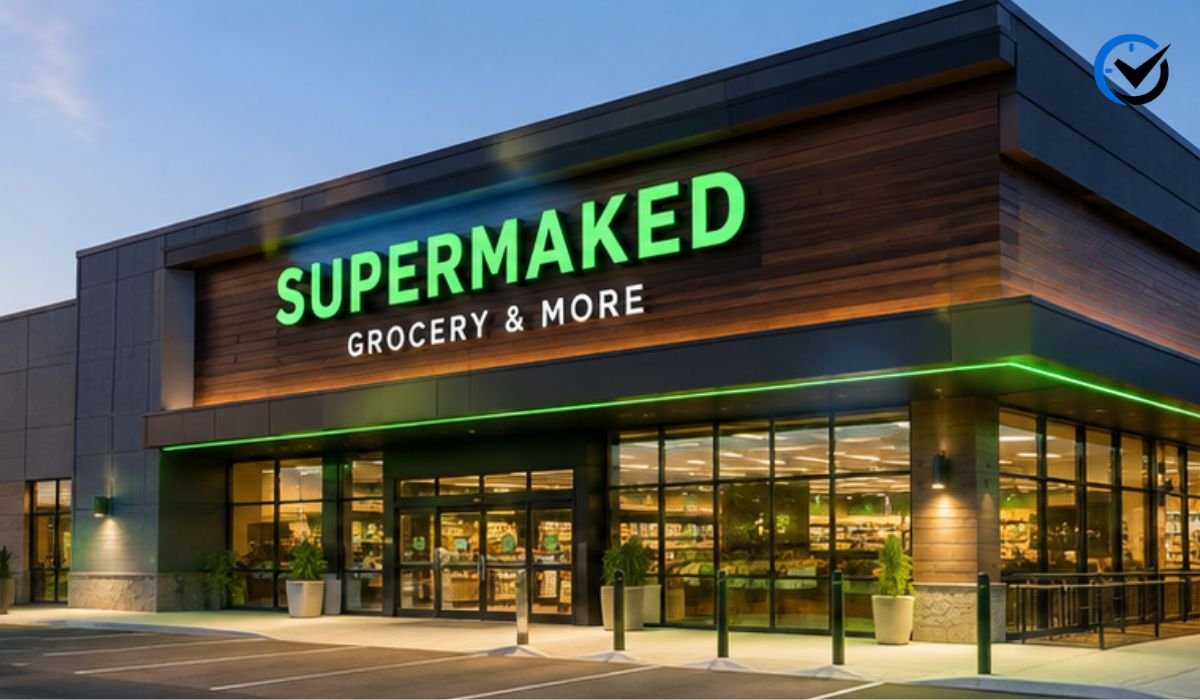
The clearest difference is not necessarily the products sold but the emphasis placed on the shopping experience. A traditional supermarket is an established retail format built around self-service, broad product selection, and physical stores. The Supermaked concept, when used to describe modern retail, puts greater emphasis on convenience, digital connection, flexible purchasing, customer experience, and operational efficiency. Many contemporary supermarkets already use these features, however. For that reason, Supermaked should not automatically be treated as an entirely new type of store. In many contexts, it is better understood as a name or evolving description for familiar retail practices brought together in a modern way.
The Future of Grocery Shopping
The future of grocery retail is likely to be shaped by flexibility rather than one universal shopping method. Physical stores will remain important because customers want immediate purchases, fresh products, and personal service. At the same time, digital ordering, delivery, pickup, automated systems, and personalized tools will continue developing. Artificial intelligence may improve demand forecasting and product recommendations, while better inventory systems can help reduce waste. The challenge will be using these tools without making shopping less human. The strongest future model will likely combine useful technology with simple design, reliable service, and genuine customer choice.
What Consumers Should Check
Because Supermaked is not a standardized retail category, consumers should judge a store or service by what it actually provides rather than by the label alone. Check product availability, prices, freshness, refund policies, delivery conditions, payment options, and customer support. If a retailer collects information through an app or loyalty program, it is also sensible to understand how that information is handled. These checks are useful for any grocery purchase, particularly when unfamiliar branding makes a business seem more established than it may be. Knowing the actual service is more valuable than making assumptions based on the name.
Final Thoughts
Supermaked is best approached as an evolving and inconsistently defined term rather than a universally recognized retail category. In some contexts, it is closely connected with supermarkets or local grocery stores; in others, it describes the broader movement toward convenient, connected, customer-focused shopping. The ideas behind that movement are real: retailers are improving inventory systems, digital ordering, store design, payment options, freshness management, and delivery services to meet changing expectations. At the same time, shoppers should separate established retail practices from unsupported claims about a specific Supermaked brand or system. Understanding the context, checking what a retailer actually offers, and judging convenience, quality, price, privacy, and service on their own merits remain the most reliable ways to navigate modern grocery shopping.
Frequently Asked Questions
1. Is Supermaked a standard English word?
No. Supermaked is not a standard English dictionary term with one universally accepted definition. It appears online as a stylized or brand-related term and, in some contexts, as a broader description connected with modern grocery retail.
2. Is Supermaked the same as a supermarket?
Not necessarily. Supermarket is an established retail term, while Supermaked has a less consistent meaning. Some sources use it similarly to supermarket, while others connect it with a more modern, technology-supported shopping approach.
3. Is Supermaked a specific company?
There is not enough reliable evidence to treat the term as one globally established supermarket company or chain. It can appear as branding or as a general retail concept, so its exact meaning depends on the context where it is used.
4. What products can shoppers expect from a Supermaked store?
If the term refers to a supermarket-style grocery business, shoppers may find produce, dairy, meat, packaged foods, beverages, frozen products, snacks, cleaning supplies, personal-care items, and household essentials. The actual selection depends on the individual retailer.
5. Does Supermaked require online shopping?
No. There is no recognized standard requiring online ordering or delivery. Some modern retail descriptions connect the term with digital shopping, but a store using the name may operate mainly as a physical grocery business.
6. How can technology improve grocery shopping?
Technology can help shoppers find products, check availability, pay more quickly, receive digital receipts, manage shopping lists, and place orders remotely. For retailers, it can improve inventory control and forecasting. Its value depends on whether the technology is reliable and easy to use.
7. Is a modern grocery store always better than a traditional supermarket?
Not automatically. A modern store may offer more convenient services, but traditional supermarkets can provide broad selection, competitive prices, and familiar in-person shopping. The best choice depends on budget, location, time, and personal preferences.
8. What are the main benefits of local grocery stores?
Local stores can provide convenient access to everyday products, support nearby employment, and sometimes carry regional goods that larger chains do not. They may also respond quickly to local preferences, although prices and product variety can vary.
9. Can Supermaked help reduce food waste?
A modern retail system can potentially reduce waste through better stock monitoring, demand forecasting, and improved ordering. Results depend on how a specific retailer manages purchasing, storage, food handling, and unsold products.
10. Why is the term Supermaked becoming noticeable online?
Its unusual spelling naturally creates curiosity, while online discussions connect it with grocery stores, modern shopping, and retail innovation. People may search for an explanation after encountering it. Its visibility, however, should not be confused with proof that it represents one established global retail system.
Recommended: Puzutask Com Review: How the Platform Works and What to Know





One Comment