
Kouskousi Food Guide: Types, Ingredients, Cooking Methods, Benefits, and Traditions

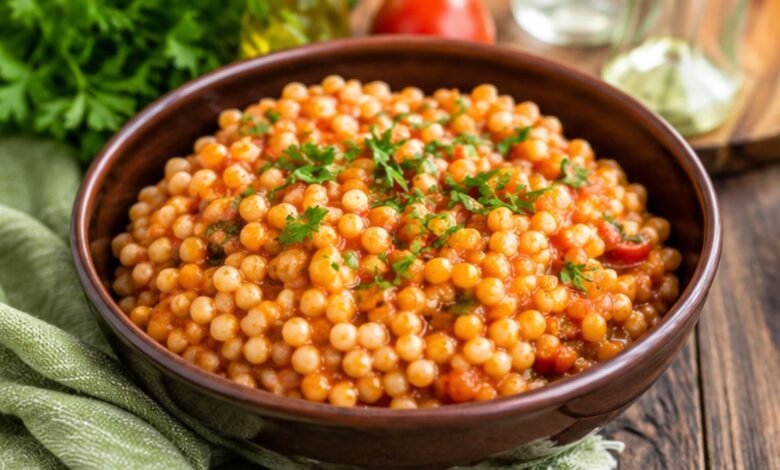
Kouskousi is a food name that can cause confusion because it is used in more than one culinary setting. In Greek cooking, particularly in references to traditional pasta, it can describe small, round pieces of wheat pasta that are cooked in water or broth. In other contexts, the similar word “couscous” refers to the famous North African dish made from tiny steamed semolina granules. The foods share a wheat-based foundation and a similar appearance, but their preparation, texture, and culinary traditions can differ. Understanding that distinction is important before choosing a recipe or cooking method. This guide explains the different forms, common ingredients, preparation techniques, nutritional qualities, traditional uses, and practical ways to enjoy this versatile food.
What Is Kouskousi?
The term is most commonly associated with a small, rounded pasta in Greek food traditions. Greek sources describe kouskousaki as one of the country’s traditional pasta varieties, alongside shapes such as kritharaki and other handmade or dried pastas. Depending on the producer and region, it may be made primarily from durum wheat semolina and water, while traditional versions can also contain ingredients such as eggs, milk, or flour. Its small shape allows it to cook relatively quickly and makes it useful in soups, salads, side dishes, and substantial meals. Because the name resembles couscous, however, shoppers should always check the package instructions and ingredients rather than assuming the two products are identical.
Kouskousi and North African Couscous
The difference between Greek-style kouskousi and North African couscous is mainly found in how they are made and cooked. Traditional couscous is produced by moistening semolina, rolling it into tiny granules, and steaming those granules. It is strongly connected with the food cultures of the Maghreb, including Morocco, Algeria, Tunisia, and neighboring areas. Greek kouskousaki, by contrast, is generally treated as pasta and is commonly boiled until tender. The distinction matters in the kitchen because steaming and boiling produce different textures. A package labeled kouskousi may therefore need a completely different method from instant couscous sold in a supermarket.
Traditional Ingredients
The ingredients depend on the particular variety, but wheat is central to most forms. Commercial Greek kouskousaki can be made from durum wheat semolina and water, creating a simple pasta with a mild flavor. Traditional regional preparations may include wheat flour, semolina, eggs, milk, and salt. Some handmade versions reflect local food customs and may use milk from goats or other locally available ingredients. These differences explain why two products with similar names can have noticeably different flavors and textures. Anyone with a wheat, egg, or dairy allergy should read the ingredient label carefully because not every variety has the same recipe.
Types and Regional Variations
There is no single universal recipe for kouskousi. Small round pasta is produced by different Greek makers and can vary in size, firmness, ingredients, and cooking time. Some versions are extremely small and work especially well in soups, while others are larger and can be served as a side dish or mixed with vegetables and meat. Handmade regional varieties may also have a stronger connection to local traditions than mass-produced pasta. In broader Mediterranean food culture, similarly shaped products can be prepared in different ways. This regional variety is part of what makes the name difficult to define with one rigid description.
How Traditional Greek Pasta Was Made
Traditional Greek pasta making was closely connected with seasonal household work. After grain harvests, families could have access to fresh wheat, eggs, and milk, making summer an appropriate time to prepare pasta for later use. Dough was mixed and worked by hand before being shaped into small pieces. The pasta was then dried, often using natural sunlight, so it could be stored for future meals. This process required time and practical knowledge, especially when producing enough food for a household. Modern factories have made dried pasta much easier to produce and purchase, but the traditional method remains an important part of the culinary history surrounding Greek pasta.
How Kouskousi Is Cooked
Greek-style kouskousi is generally cooked much like other small pasta shapes. A pot of salted water or broth is brought to a boil, the pasta is added, and it is cooked until tender while retaining a little firmness. Cooking time varies according to size and brand, so the package instructions should take priority. If the pasta is going into soup, it can often be cooked directly in the broth, allowing it to absorb some of the surrounding flavor. For a salad or separate side dish, it is usually drained after cooking. Avoid overcooking it because small pasta can become soft quickly once it has reached the desired texture.
Cooking With Broth and Sauces
Water is not the only liquid suitable for this pasta. Chicken, vegetable, or meat broth can give the small pieces a deeper flavor while they cook. Tomato-based sauces are another natural pairing, particularly in Greek-style meals where pasta may be finished with cheese or herbs. Creamy sauces can also work, although the small pieces are often better when the sauce is not excessively heavy. Olive oil, garlic, onions, parsley, oregano, lemon, and black pepper can add flavor without overwhelming the pasta. Because the pieces are small, they readily take on the taste of the liquid and ingredients around them.
Kouskousi in Soups and Stews
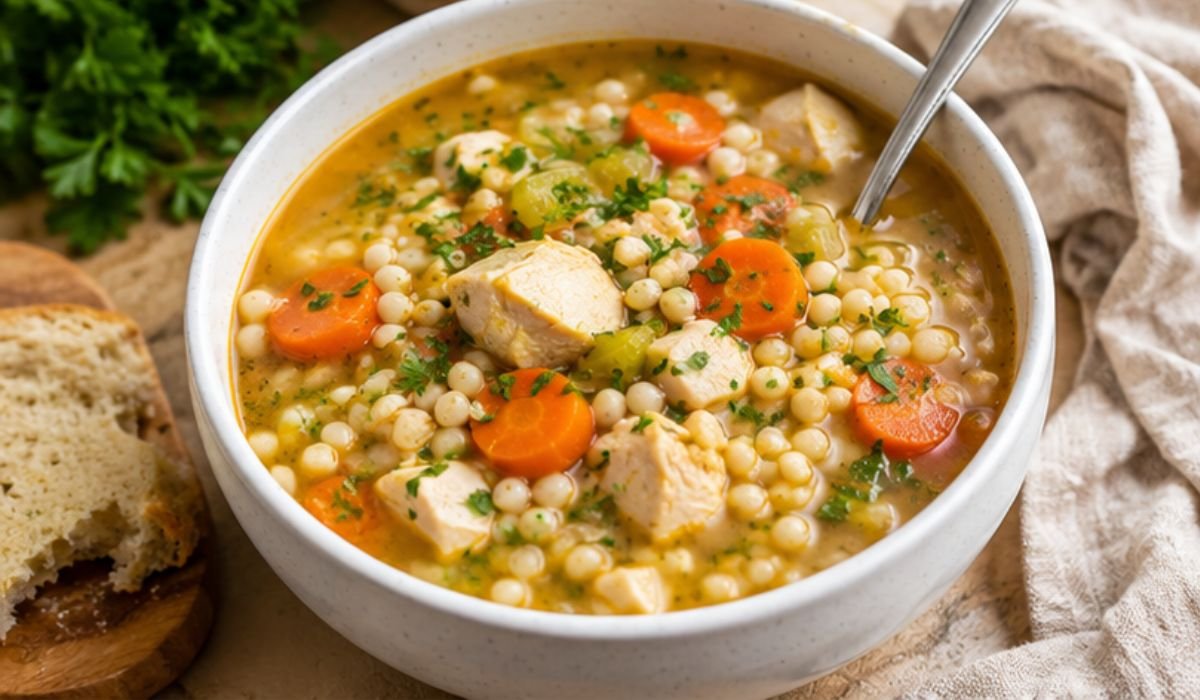
One of its most practical uses is in soups. The small pasta shape fits naturally into vegetable, chicken, mushroom, and bean-based soups, where it adds carbohydrates and makes a light broth more filling. It can also be added to stews during the later stages of cooking, allowing it to absorb the savory liquid. Care is needed because pasta continues absorbing liquid as it sits. If too much is added, a soup can become thick and lose its broth-like character. For that reason, cooks often add a modest amount and adjust the liquid as necessary.
Salads and Cold Dishes
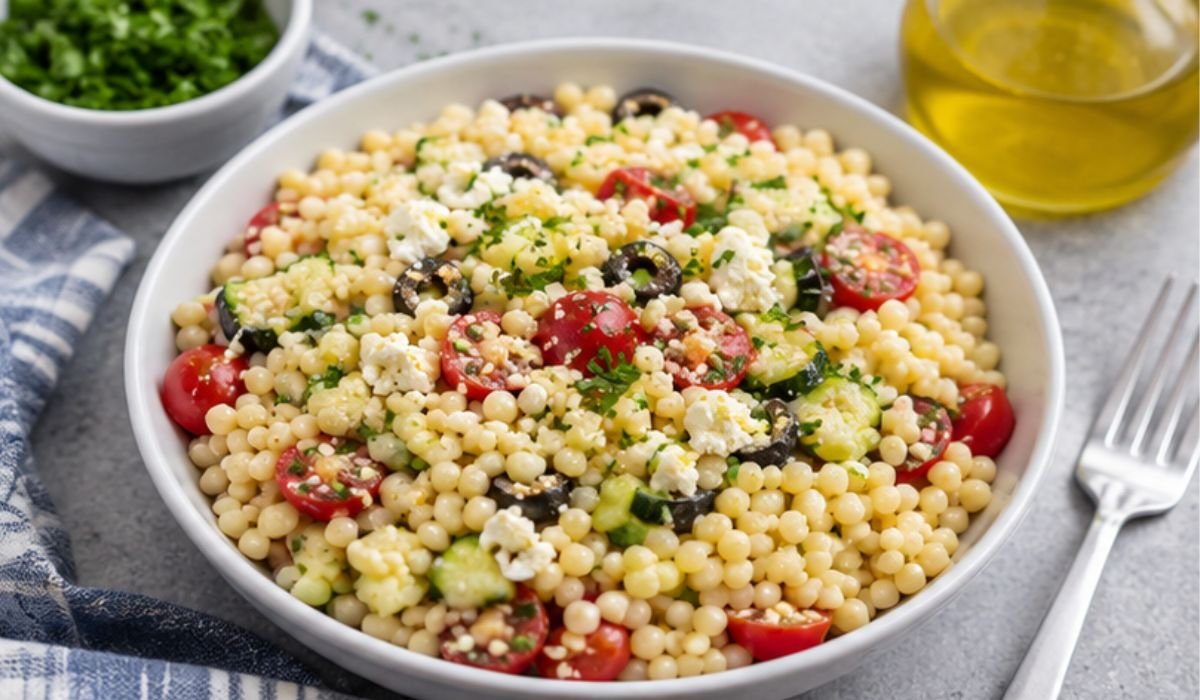
Small pasta can also be served cold, making it useful for lunches, gatherings, and warm-weather meals. After cooking, it should be drained and allowed to cool before being combined with ingredients such as tomatoes, cucumber, chickpeas, herbs, olives, peppers, or cooked vegetables. A simple dressing made with olive oil and lemon can provide brightness without covering the natural flavor of the pasta. Beans and lentils can add protein and fiber, while fresh vegetables contribute color and texture. The result can be a balanced meal rather than simply a pasta side dish.
Meat, Seafood, and Vegetable Pairings
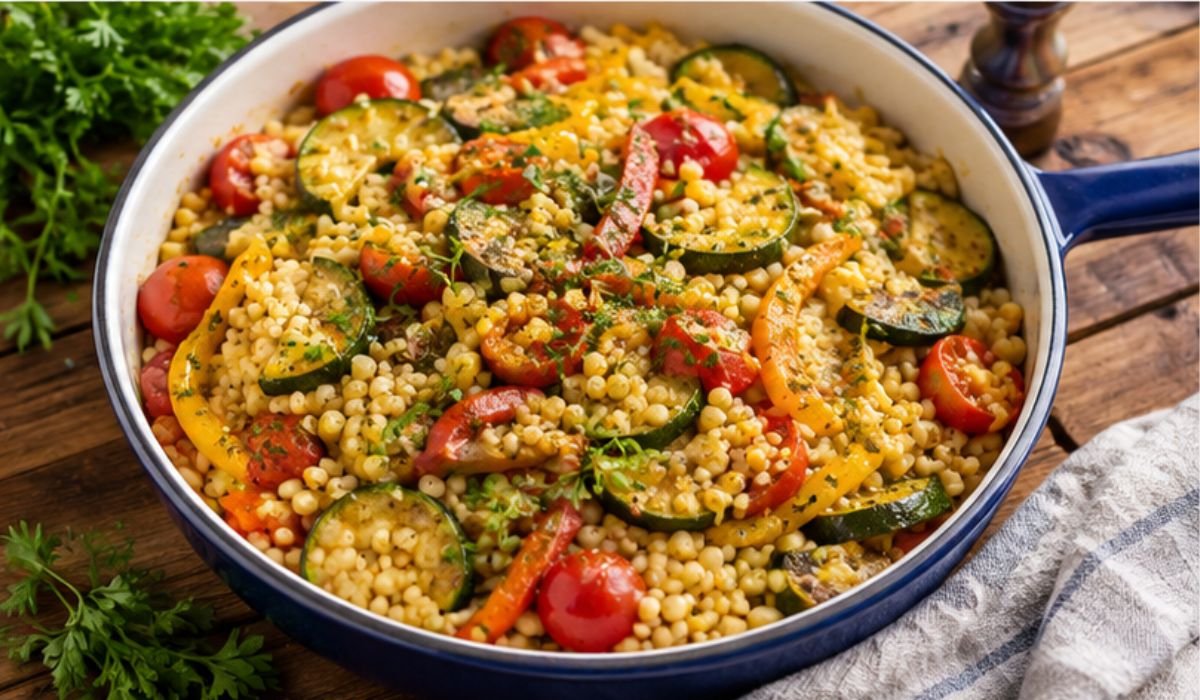
The mild flavor makes this pasta adaptable to many foods. It can accompany roasted chicken, grilled meat, fish, or seafood, especially when a sauce or broth ties the ingredients together. Vegetables such as zucchini, spinach, peppers, carrots, peas, and tomatoes are also easy partners. Legumes are particularly useful in traditional-style meals because they turn a modest pasta dish into something more substantial. The best combinations usually balance textures rather than adding too many competing flavors. A simple base of pasta, vegetables, olive oil, herbs, and a protein can be both satisfying and easy to prepare.
Nutritional Value
The nutritional profile depends on the exact product and serving size. A basic durum-wheat version primarily provides carbohydrates, which the body uses as an important source of energy. Some products also provide meaningful amounts of protein and fiber, while enriched or specialty varieties may have different nutritional values. Pasta made with eggs or milk can have a different nutrient profile from a simple semolina-and-water product. It is therefore more accurate to examine the nutrition panel on the specific package than to assign one nutritional value to every type. Portion size and the ingredients served with it also have a major effect on the overall meal.
Potential Benefits of Including It in Meals
As part of a balanced diet, this pasta can be a convenient source of energy and can help make meals more satisfying. Its versatility makes it easy to combine with vegetables, legumes, lean proteins, herbs, and healthy fats. Choosing whole-grain or higher-fiber versions, when available, may provide more fiber than refined products. However, it should not be described as a special health food or as a treatment for any condition. Its nutritional value comes from how it fits into the entire meal. A bowl containing vegetables, beans, olive oil, and a moderate portion of pasta can offer a broader range of nutrients than pasta served alone.
Gluten and Dietary Considerations
Most traditional wheat-based varieties contain gluten because durum wheat and other wheat flours are common ingredients. This means they are not suitable for people who must avoid gluten unless a certified gluten-free product is specifically available. Egg and dairy ingredients may also appear in handmade or regional varieties, so people with allergies should check labels carefully. Vegetarian versions are widely possible, particularly when the pasta is prepared with vegetables, beans, herbs, or plant-based sauces. Vegan suitability cannot be assumed for every traditional product because eggs or milk may be included.
Cultural and Family Traditions
Food traditions often survive because they are practical as well as meaningful. Homemade pasta once allowed families to preserve basic ingredients and prepare food that could be stored for later use. Small pasta shapes became part of everyday cooking rather than being reserved only for special occasions. In Greece, traditional pasta varieties continue to appear in soups, salads, meat dishes, and family meals. These foods also show how local ingredients and household methods shaped regional cuisine. For many families, the importance of such pasta is not simply its taste but the connection between older cooking practices and modern meals.
How to Choose the Right Product
When buying kouskousi, the package provides the most reliable information. Look at the ingredient list first, especially if you need to avoid eggs, milk, or other ingredients. Then check the recommended cooking method and time. A product intended to be boiled should not automatically be prepared like instant couscous. Size also matters because smaller pieces generally cook faster than larger ones. If you are trying a product for the first time, following the manufacturer’s instructions is the safest starting point. After that, you can adjust the cooking time according to whether you prefer a softer or firmer texture.
Common Cooking Mistakes
The most common mistake is treating every small semolina product as though it were the same food. Confusing steamed couscous with boiled pasta can lead to an undesirable texture. Another problem is adding too much pasta to soup, which allows the pieces to absorb excessive liquid. Overcooking can also make small shapes mushy, particularly when they are left sitting in a hot pot. Finally, strong sauces can hide the mild character that makes the pasta useful in the first place. Simple seasoning and careful timing usually produce better results than complicated preparation.
Final Thoughts
Kouskousi is best understood as a regional food term rather than a single universally identical product. In Greek culinary traditions, it can refer to small, rounded pasta that works beautifully in soups, salads, stews, side dishes, and everyday meals, while the closely related word couscous is strongly associated with the steamed semolina tradition of North Africa. Learning the difference helps cooks select the correct method and avoid confusion. Its mild flavor, flexible shape, and ability to absorb sauces and broth make it a practical ingredient, while its connection to traditional pasta making gives it cultural value beyond the plate. Whether prepared simply with olive oil and herbs or combined with vegetables, legumes, meat, or seafood, it offers an approachable way to explore Mediterranean food traditions.
Frequently Asked Questions
1. Is Kouskousi the Same as Couscous?
Not always. The names are closely related, but they can describe different foods depending on the region. Greek kouskousaki is commonly a small pasta that is boiled, while traditional North African couscous consists of semolina granules that are prepared through steaming. Because naming varies, checking the product label is the best way to identify what you have.
2. What Is Kouskousi Made From?
Many Greek-style versions are made from durum wheat semolina and water. Traditional or handmade varieties can also contain wheat flour, eggs, milk, and salt. Recipes vary by producer and region, so the ingredient list should always be checked before cooking or serving the product.
3. How Do You Cook Kouskousi?
Most pasta-style varieties are cooked in boiling salted water or broth until tender. The exact time depends on the size and manufacturer, so package directions are important. It can also be cooked directly in soups or stews when enough liquid is available.
4. Can Kouskousi Be Used in Soup?
Yes. Its small shape makes it particularly suitable for soups. It can be added to vegetable, chicken, mushroom, or bean soups and cooked until tender. Because it absorbs liquid, it is best to add a controlled amount and allow enough broth for expansion.
5. Can You Use It in a Salad?
Yes. Cooked and cooled small pasta works well in salads with vegetables, beans, herbs, olives, and simple dressings. Lemon juice and olive oil are especially useful because they add freshness while allowing the pasta and other ingredients to remain distinct.
6. Is Kouskousi Healthy?
It can be part of a healthy, balanced meal, but its nutritional value depends on the product, portion, and accompanying foods. Pairing it with vegetables, legumes, lean protein, and unsaturated fats can create a more nutritious meal than eating a large serving of plain pasta.
7. Does Kouskousi Contain Gluten?
Most wheat-based varieties do contain gluten. Anyone with celiac disease, wheat allergy, or another reason to avoid gluten should check the label and choose an appropriate certified gluten-free alternative when available.
8. Can It Be Made Without Dairy or Eggs?
Some varieties are made only with semolina and water, while others contain eggs or dairy. Therefore, dairy-free or egg-free suitability depends on the specific product. Reading the ingredient label is more reliable than assuming that every traditional variety has the same recipe.
9. What Foods Pair Well With It?
It pairs well with vegetables, legumes, tomato sauces, herbs, olive oil, chicken, meat, seafood, and flavorful broths. Its mild taste allows it to work with both Mediterranean-style ingredients and many simple everyday meals.
10. What Is the Best Way to Store It?
Dry pasta should normally be kept in a cool, dry place in a sealed container or its original packaging. Once cooked, it should be refrigerated promptly and handled according to standard food-safety practices. Always follow the storage instructions supplied with the particular product.
Recommended: Provascin Review: Ingredients, Benefits, Uses, Safety, Effectiveness, and Facts




One Comment