
Provascin Review: Ingredients, Benefits, Uses, Safety, Effectiveness, and Facts

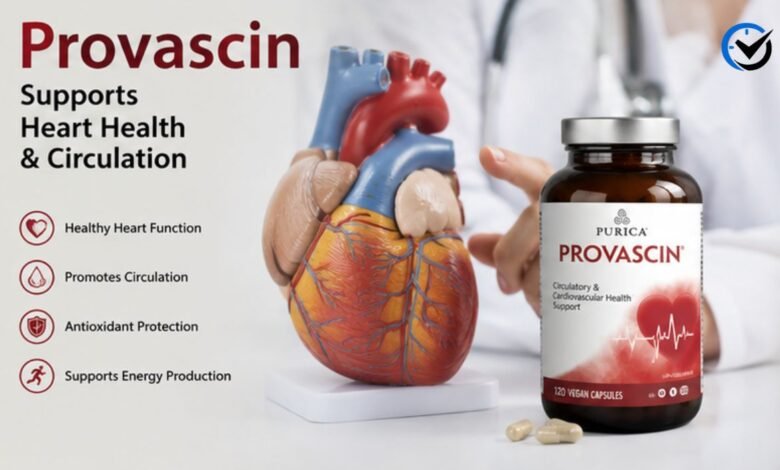
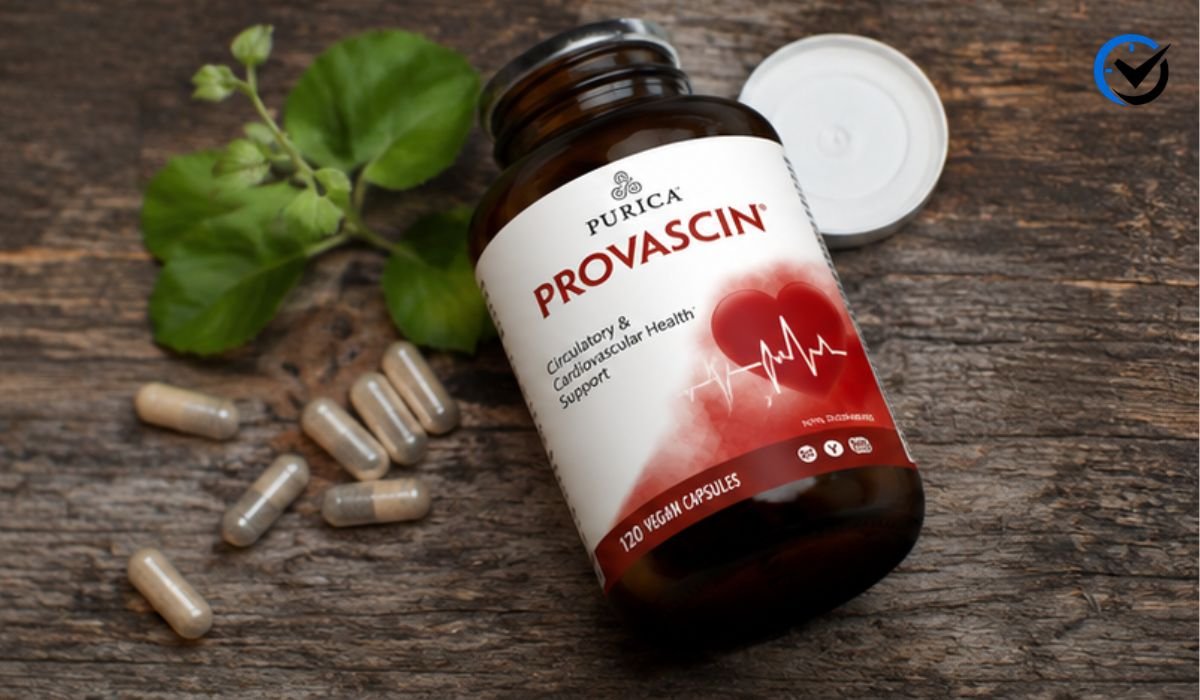
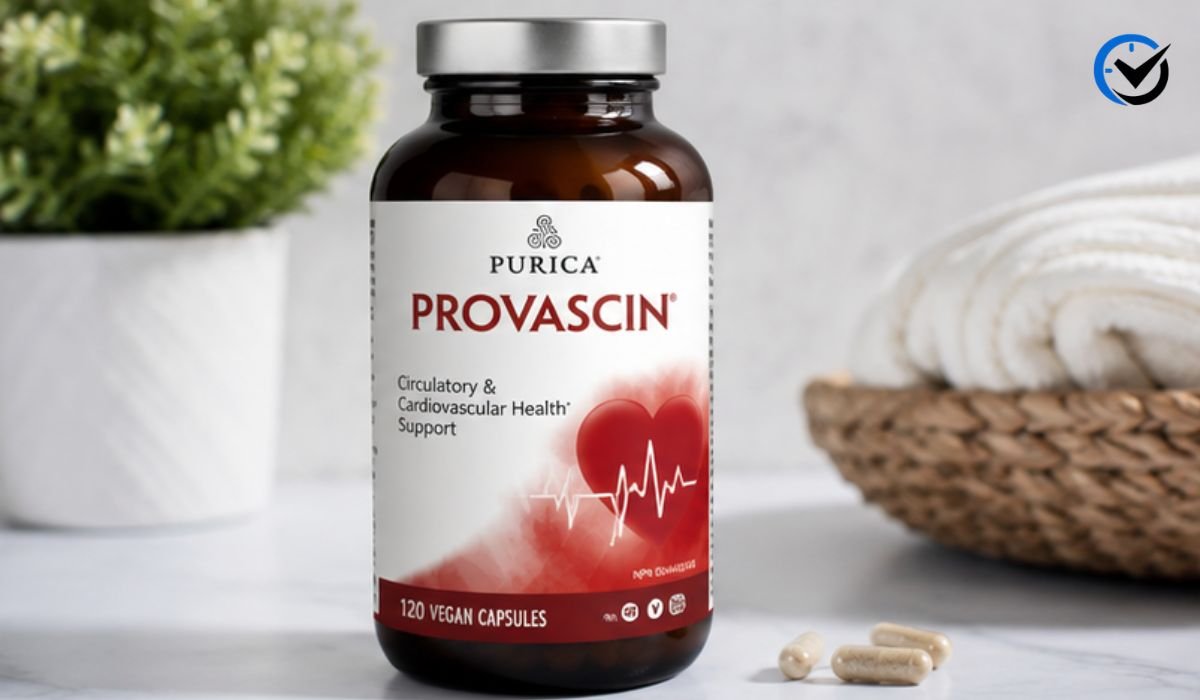
Provascin is a name that can be confusing because online descriptions do not always refer to the same formula. The product most consistently identified today is Purica Provascin, a multi-ingredient natural health supplement marketed around cardiovascular and circulatory support. Its formula combines nutrients, antioxidants, and botanical extracts rather than relying on one active ingredient. That makes it important to look beyond broad claims and understand what is actually in the product, what its ingredients may contribute, how it is intended to be used, and where the evidence has limits. This review takes a balanced approach so readers can distinguish product information from proven medical treatment.
What Is Provascin?
The best-documented version is a capsule supplement associated with Purica. It has been promoted as a broad cardiovascular-support formula for adults, with claims related to heart health, circulation, energy metabolism, antioxidant protection, and healthy cholesterol function. It is a dietary or natural health product, not a prescription drug. That distinction matters because a supplement may support normal body functions without being proven to diagnose, treat, or cure cardiovascular disease. People with symptoms or an established heart or blood-vessel condition should therefore view it as something to discuss with a qualified health professional, not as a replacement for medical care.
Provascin Ingredients
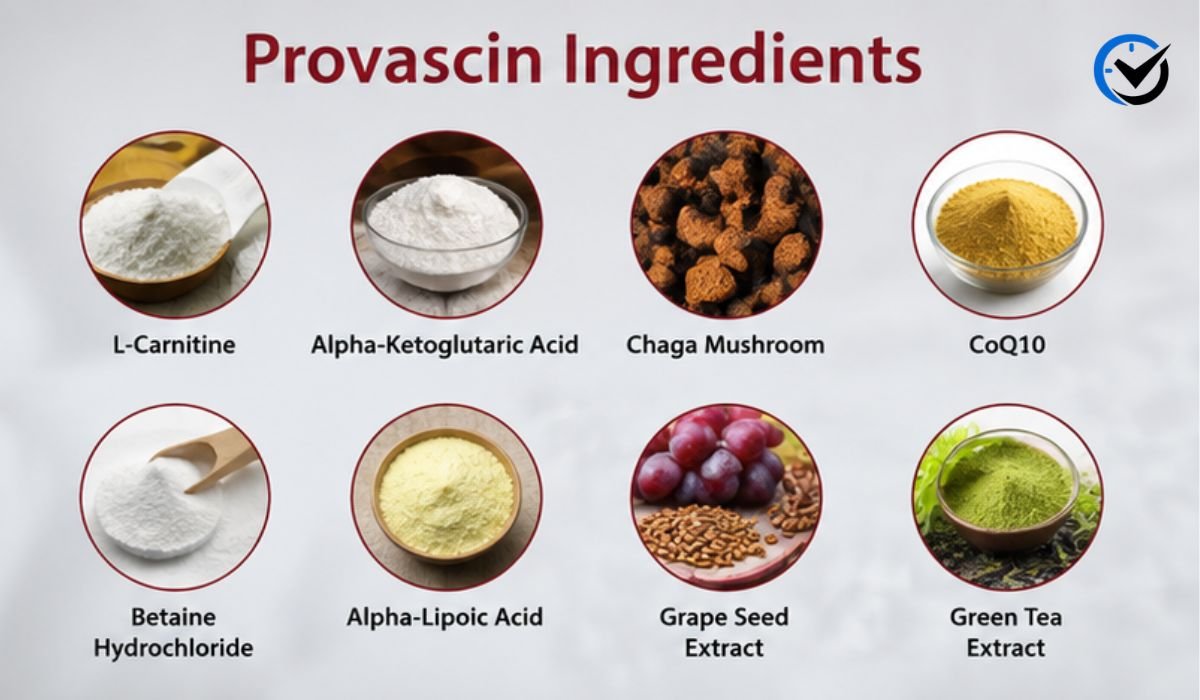
The commonly listed formula contains eight notable ingredients per capsule: L-carnitine at 188 mg, alpha-ketoglutaric acid at 125 mg, certified organic micronized Chaga at 125 mg, CoQ10 at 38 mg, betaine hydrochloride at 31 mg, DL-alpha-lipoic acid at 13 mg, grape seed extract at 9 mg, and green tea extract at 9 mg. The capsule also contains non-medicinal ingredients used for formulation. Because supplement formulas can change and different sellers may use outdated descriptions, readers should check the current package label before relying on an ingredient list or dose.
L-Carnitine and Cellular Energy
L-carnitine is a naturally occurring compound involved in transporting fatty acids into mitochondria, where cells can use them for energy. The heart and skeletal muscles have substantial energy demands, which explains why carnitine often appears in products positioned around endurance and cardiovascular wellness. However, the presence of an ingredient with a plausible biological role does not automatically prove that a finished supplement improves heart health. Research on L-carnitine has produced mixed results depending on the population, dose, and health condition, so its role here should be understood as supportive rather than curative.
CoQ10 and Antioxidant Support
Coenzyme Q10, commonly called CoQ10, is another important ingredient. It participates in mitochondrial energy production and also has antioxidant properties. Because the heart requires continuous energy, CoQ10 has attracted interest in cardiovascular research, particularly in people with certain health conditions. Some studies suggest possible benefits in specific groups, but the evidence is not strong enough to assume that every person taking a CoQ10-containing supplement will experience meaningful cardiovascular improvement. The 38 mg listed per capsule also needs to be considered in the context of the total daily amount.
Chaga and Other Plant Extracts
The formula also includes Chaga mushroom, alpha-lipoic acid, grape seed extract, and green tea extract. These ingredients are commonly associated with antioxidant activity and metabolic or cellular functions. Alpha-lipoic acid has been studied for several metabolic and nerve-related applications, while grape seed and green tea compounds contain polyphenols that interact with oxidative processes. Chaga is being investigated for various biological effects. Still, laboratory activity or research on an isolated ingredient should not be presented as proof that the complete formula prevents cardiovascular disease.
What Is Provascin Used For?
Product descriptions generally position the supplement as support for cardiovascular wellness, circulation, antioxidant defenses, cellular energy, and healthy metabolic function. Some retailer material also mentions cholesterol support, weight management, stress reduction, and chronic venous insufficiency. These statements should be treated carefully because they can describe intended uses or marketing claims rather than outcomes established in clinical trials of the complete product. A reasonable interpretation is that the formula is designed to complement a healthy lifestyle by supplying several compounds associated with cardiovascular and metabolic functions.
Potential Benefits
The potential appeal of the formula comes from its combination of ingredients rather than one proven therapeutic effect. CoQ10 and L-carnitine relate to cellular energy, while several plant and mushroom ingredients provide compounds with antioxidant activity. For someone looking for general nutritional support, this broad approach may seem attractive. Yet a useful review has to separate possibility from certainty. There is not strong, widely recognized clinical evidence showing that the complete product produces a specific reduction in blood pressure, cholesterol, cardiovascular events, or other major disease outcomes. Individual ingredient research provides context, but it cannot substitute for a controlled trial of the finished formula.
Circulation and Heart Health Claims
Circulation is one of the main themes associated with the product. Healthy blood flow depends on the heart, blood vessels, blood pressure, blood composition, movement, and many other factors. A supplement cannot reasonably be expected to correct a serious blockage, replace prescribed treatment, or reverse an acute cardiovascular problem. If someone has chest pressure, sudden shortness of breath, fainting, or unusual weakness, supplement use should not delay urgent medical evaluation. For long-term cardiovascular health, physical activity, nutritious food, healthy sleep, avoiding tobacco, and appropriate medical screening remain far more important than any single supplement.
How Effective Is Provascin?
The biggest limitation is the lack of strong direct clinical evidence on the complete formulation. There are studies involving several of its individual ingredients, but that is different from demonstrating that the exact product improves meaningful health outcomes. Ingredient studies may use different doses, populations, formulations, or treatment periods. It is therefore not scientifically sound to combine separate findings and claim that the finished supplement has all of those effects. Effectiveness may also differ according to age, diet, medications, underlying health, and the reason a person is considering supplementation.
Provascin Dosage and How It Is Taken
Retailer information for the Purica version has described different daily amounts depending on whether the product is being used for general prevention or an existing cardiovascular condition. Because those recommendations are product-specific and health conditions can require individualized care, readers should not automatically copy an older online dosage schedule. The safest approach is to follow the current package directions and ask a doctor or pharmacist about an appropriate amount, especially when the supplement is being considered alongside prescription treatment. Taking more capsules does not necessarily mean greater benefit and may increase exposure to ingredients that can cause unwanted effects.
Safety and Possible Side Effects
A supplement with several active ingredients deserves the same careful attention as any other health product. Possible problems can include digestive discomfort, nausea, headache, changes in blood sugar, or sensitivity to particular ingredients, although the likelihood depends on the individual and dose. Green tea extracts can raise additional safety questions in concentrated forms, particularly for people with liver concerns. Chaga may also be unsuitable for some individuals because of its biological activity and potential interactions. If a new symptom appears after starting the product, stopping it and seeking professional advice is more sensible than assuming the reaction is harmless.
Drug Interactions and Precautions
Extra caution is appropriate for people taking blood thinners, blood-pressure medicines, diabetes medications, or other long-term treatments. Product information also advises professional guidance for people with liver or kidney disease, seizure disorders, autoimmune conditions, iron deficiency, or those who are pregnant or breastfeeding. These warnings do not mean that an interaction will definitely occur; they mean the potential risk deserves individual review. A pharmacist can check the complete ingredient list against a person’s medicines and medical history. This is especially important when several supplements are being taken at the same time.
Who Should Consider It?
For a generally healthy adult, the question is less about whether the product is a miracle solution and more about whether its ingredients fit a genuine nutritional goal. Someone with a balanced diet and no identified deficiency may not gain a noticeable benefit from adding a complex supplement. On the other hand, a person who has discussed supplementation with a clinician may decide that a particular ingredient or combination has a reasonable place in their routine. The decision should be based on the current formula, personal health needs, medication use, and realistic expectations rather than advertising language.
Provascin and Prescription Heart Medicines
This product should not be confused with prescription cardiovascular medicines, even when online searches produce similar-sounding names or descriptions. A supplement is not interchangeable with a drug prescribed for high blood pressure, abnormal cholesterol, heart rhythm problems, heart failure, or blood clots. Stopping or reducing prescribed medication in favor of a supplement can be dangerous. If a person is already receiving cardiovascular treatment, the appropriate question is whether the supplement can safely be used alongside that treatment, not whether it can replace it.
How to Judge Reiews and Claims
Online reviews can help identify practical issues such as capsule size, availability, or personal tolerance, but they cannot establish medical effectiveness. One person’s improvement may reflect changes in diet, exercise, sleep, medication, or natural variation rather than the supplement itself. Likewise, one negative experience does not prove that a product is unsafe for everyone. When evaluating claims, the most useful information is the current Supplement Facts panel, the amount of each active ingredient, safety warnings, manufacturing details, and evidence from well-designed human studies.
Is Provascin Worth Considering?
Whether it is worth considering depends on what the buyer expects. If the goal is general nutritional support and a healthcare professional agrees that the ingredients are appropriate, the formula may be of interest. If the goal is to treat diagnosed cardiovascular disease, lower dangerously high blood pressure, dissolve a blood clot, or replace proven medication, it is not an appropriate substitute. The complex ingredient blend also makes it harder to know which component, if any, is responsible for a perceived benefit or side effect. That uncertainty is an important part of an honest assessment.
Final Thoughts
Provascin is best understood as a multi-ingredient cardiovascular and wellness supplement rather than a proven treatment for heart disease. Its commonly listed formula includes L-carnitine, alpha-ketoglutaric acid, Chaga, CoQ10, betaine hydrochloride, alpha-lipoic acid, grape seed extract, and green tea extract, giving it a broad nutritional profile. Some individual ingredients have interesting research behind them, but evidence for the complete product remains limited, so claims should be kept realistic. Anyone considering it should verify the current label, follow the manufacturer’s directions, and seek professional advice when taking medicines or managing a medical condition. For lasting cardiovascular health, the foundation remains evidence-based medical care and healthy daily habits.
Frequently Asked Questions
1. What is Provascin?
It is most commonly described as a multi-ingredient natural health supplement associated with cardiovascular, circulation, antioxidant, and energy support. The best-documented version is sold as Purica Provascin in capsule form.
2. Is Provascin a prescription medicine?
No. The commonly identified product is a dietary or natural health supplement, not a prescription cardiovascular drug. It should not be used as a substitute for medication prescribed for a diagnosed condition.
3. What ingredients are in Provascin?
The commonly listed formula includes L-carnitine, alpha-ketoglutaric acid, Chaga, CoQ10, betaine hydrochloride, DL-alpha-lipoic acid, grape seed extract, and green tea extract. Always confirm the current label because formulations can change.
4. Can Provascin lower blood pressure?
There is not enough direct evidence to conclude that the complete product reliably lowers blood pressure. Anyone with high blood pressure should follow a clinician’s treatment plan and should not replace prescribed therapy with a supplement.
5. Can Provascin replace cholesterol medicine?
No. There is no sound basis for treating it as a replacement for prescribed cholesterol-lowering medicine. People taking statins or other cardiovascular drugs should discuss supplement use with a doctor or pharmacist before starting it.
6. How long does Provascin take to work?
There is no well-established timeline for a specific effect from the complete formula. Results, if any, can depend on a person’s health, diet, medications, and reason for use. A lack of immediate symptoms does not show whether the supplement is working.
7. Is Provascin safe for everyone?
No supplement is automatically safe for everyone. Extra caution is needed during pregnancy or breastfeeding and with liver or kidney disease, seizure disorders, autoimmune conditions, diabetes, iron deficiency, or certain medications.
8. Can Provascin cause side effects?
It can cause unwanted effects in some people because it contains several active ingredients. Digestive symptoms or other reactions are possible, and concentrated botanical ingredients may carry additional risks. New or persistent symptoms should be discussed with a healthcare professional.
9. Should I take Provascin with other supplements?
Combining several supplements can increase the chance of duplicate ingredients, excessive intake, or interactions. Before combining products, compare their ingredient labels and ask a pharmacist or doctor if you take medicines or have a medical condition.
10. Where should I check the correct Provascin dosage?
The current product label should be the first source for dosing instructions. Older retailer pages may contain different directions, and people with cardiovascular conditions may need individualized medical advice rather than a general online dosage recommendation.
Recommended: Nerwey: Complete Guide to Its Meaning, History, Origin, and Facts




One Comment