Most homeowners don’t think about their sewer line until something goes wrong. Water backs up into the tub, a foul smell drifts up from the drain, or the toilet gurgles ominously after every flush. By the time these signs appear, the problem has usually been building for months, sometimes years.
Sewer lines work quietly beneath the surface, carrying wastewater away from your home every single day. Grease, hair, tree roots, and everyday debris gradually build up inside these pipes, narrowing the passage and slowing the flow. Left unchecked, this buildup can lead to complete blockages, sewage backups, and even pipe damage that costs thousands of dollars to repair.
The good news? Routine sewer cleaning prevents nearly all of these headaches. A professional cleaning clears out buildup before it becomes a crisis, protects your plumbing system, and keeps your home running smoothly. At AG Plumbing PA LLC, this is one of the services homeowners rely on most, and for good reason: it’s a small investment that saves a lot of stress down the road.
What Causes Sewer Lines to Clog in the First Place?
Sewer lines don’t clog overnight. The process happens gradually, as a mix of everyday waste accumulates along the interior walls of the pipe.
Grease and fat. Cooking grease poured down the kitchen sink seems harmless in liquid form, but it cools and hardens as it travels through the pipes. Over time, it coats the interior and traps other debris.
Hair and soap residue. Bathroom drains collect hair, soap scum, and skin cells. Combined with grease from other parts of the home, these materials form stubborn clogs.
Tree roots. Tree roots are drawn to the moisture inside sewer pipes and can infiltrate even small cracks or joints. Once inside, they expand and create significant blockages, sometimes cracking the pipe entirely.
Non-flushable items. Wipes, paper towels, and feminine hygiene products don’t break down the way toilet paper does. When flushed, they contribute heavily to clogs further down the line.
Aging infrastructure. Older homes often have pipes made from materials that degrade over time, including cast iron or clay. These materials are more prone to cracking, corrosion, and root intrusion.
Understanding these causes helps explain why sewer cleaning isn’t a one-time fix. It’s an ongoing part of home maintenance, much like changing an air filter or servicing a water heater.
How Often Should You Schedule Sewer Cleaning?
The right frequency depends on a few factors: the age of your home, the number of people living there, and whether you have trees near your sewer line. As a general guideline, most homes benefit from a professional sewer cleaning every 18 to 22 months.
Homes with older pipes, frequent clogs, or large trees nearby may need more frequent attention. On the other hand, newer homes with modern piping might go longer between cleanings. A technician can assess your specific situation and recommend a schedule that fits your home’s needs rather than a generic timeline.
Waiting until a clog causes a backup is the costliest approach. Emergency sewage backups often damage flooring, drywall, and personal belongings, and cleanup expenses can quickly outpace the cost of routine maintenance.
Signs Your Sewer Line Needs Attention
A few warning signs tend to show up before a sewer line fails completely. Paying attention to these early indicators can save you from a much bigger mess later.
- Multiple drains backing up at the same time
- Gurgling sounds coming from toilets or drains
- Slow drainage throughout the house, not just in one fixture
- Unpleasant sewage odors near drains or in the yard
- Unusually lush, green patches of grass over the sewer line
- Water pooling in the yard without an obvious cause
If you notice more than one of these signs, it’s worth scheduling an inspection sooner rather than later. A camera inspection can pinpoint the exact location and cause of the problem, which saves time and reduces unnecessary digging.
The Process Behind Professional Sewer Cleaning
Sewer cleaning today relies on tools that are far more precise than the methods used decades ago. Here’s what the process typically looks like.
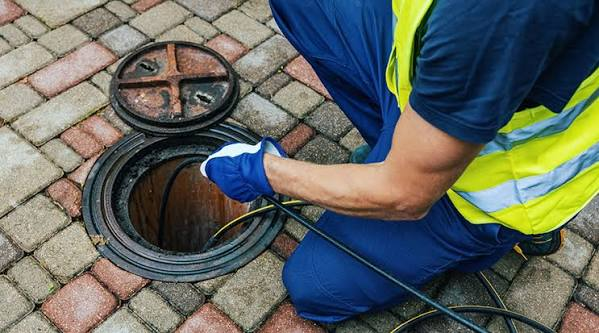
Camera inspection first. Before any cleaning begins, a small camera is fed through the line to identify the exact problem. This step confirms whether the issue is grease buildup, root intrusion, or a structural problem with the pipe itself.
Hydro jetting. This method uses high-pressure water to scour the interior of the pipe, breaking apart grease, debris, and minor root growth. It’s thorough and doesn’t rely on chemicals, which makes it a safer option for the pipe and the surrounding soil.
Mechanical snaking. For more stubborn clogs, a motorized auger can cut through blockages and clear a path. This method works well for localized clogs that haven’t spread throughout the line.
Follow-up inspection. After cleaning, another camera pass confirms the line is clear and functioning properly. This step gives homeowners peace of mind that the job was done right.
Each home is different, so the right combination of methods depends on the specific issue at hand. A skilled technician will choose the approach that clears the blockage without causing unnecessary wear on older pipes.
Why Regular Maintenance Pays Off
It’s tempting to think of sewer cleaning as an expense you can put off. In reality, it’s one of the more cost-effective ways to protect your home. Consider the alternative: a full sewer line replacement can run into the tens of thousands of dollars, while routine cleaning costs a fraction of that and prevents the damage that leads to replacement in the first place.
Beyond cost, there’s also the matter of convenience. A sewage backup doesn’t wait for a good time to happen. It tends to show up during a holiday gathering, in the middle of the night, or right before a big event. Scheduling regular maintenance keeps these surprises at bay and keeps your household running without interruption.
There’s also a health component worth mentioning. Sewage backups introduce bacteria and contaminants into your living space, creating a health hazard for everyone in the home. Keeping your home safe and odor-free starts with scheduled sewer cleaning, which is one of the simplest ways to avoid these risks altogether. It’s a proactive step that protects both your property and your family’s well-being.
Choosing a Plumbing Team You Can Trust
Not every plumbing company treats sewer cleaning with the same level of care. Some rush through the job without a thorough inspection, which means the underlying problem often returns within months. Others use outdated equipment that doesn’t fully clear the line.
When choosing a provider, look for a team that starts with a camera inspection, explains what they find, and recommends a solution based on the actual condition of your pipes rather than a one-size-fits-all approach. Transparency matters here. You should know exactly what’s happening underground and why a particular method is being recommended.
Experience matters just as much. A technician who has handled hundreds of sewer lines will recognize patterns and potential complications that a less experienced crew might miss. This translates into fewer surprises, faster service, and a job done right the first time.
Protect Your Home Before Problems Start
A sewer line that’s working properly is easy to forget about, which is exactly the point. Regular maintenance keeps it that way. Rather than waiting for a backup to force your hand, scheduling routine cleaning gives you control over the health of your plumbing system and the comfort of your home.
If it’s been a while since your sewer line was last inspected or cleaned, now is a good time to get ahead of it. A quick inspection today can prevent a costly, messy problem tomorrow, and a trained team can walk you through exactly what your home needs.
Frequently Asked Questions
How do I know if my sewer line needs cleaning?
Common signs include slow drains throughout the house, gurgling sounds, sewage odors, and multiple fixtures backing up at once. If you notice any of these, it’s worth scheduling an inspection.
Is hydro jetting safe for older pipes?
Hydro jetting is generally safe, but a technician should assess the condition of the pipe first. In some cases, older or already-damaged pipes may require a gentler approach, such as mechanical snaking.
How long does a sewer cleaning appointment typically take?
Most routine cleanings take a few hours, depending on the length of the line and the severity of the clog. More complex issues, such as significant root intrusion, may take longer.
Can tree roots really damage a sewer line?
Yes. Tree roots seek out moisture and can infiltrate pipes through small cracks or joints, eventually causing significant blockages or structural damage if left untreated.
Does sewer cleaning prevent future clogs completely?
While regular cleaning significantly reduces the risk of clogs, ongoing habits like avoiding grease disposal down drains and not flushing non-flushable items help maintain long-term results.