

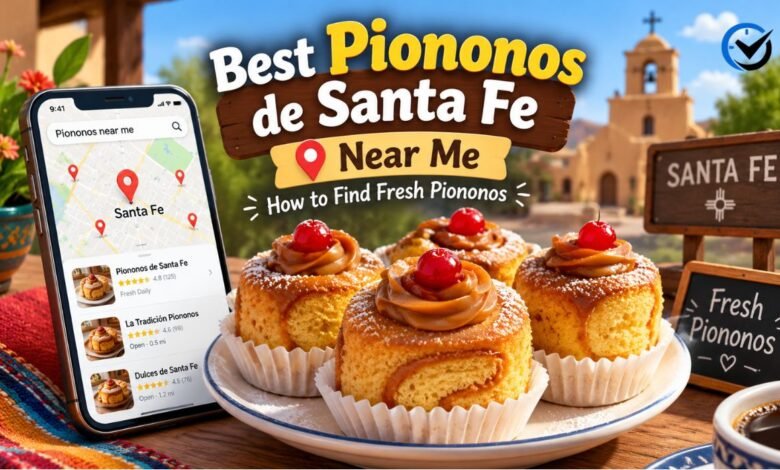
A search for Best Piononos de Santa Fe Near Me can lead to bakeries, cafés, Spanish restaurants, or shops that sell sweets from different countries. The name can be confusing because “pionono” refers to several kinds of rolled pastries. The traditional version from Santa Fe, near Granada, Spain, is a small, moist sponge cake rolled with cream and topped with a toasted layer. This guide explains what to look for, how to check whether a nearby shop carries the Spanish pastry, and how to choose a fresh one that suits your taste.
What Is a Pionono de Santa Fe?
A pionono de Santa Fe is a small Spanish pastry with a distinctive shape and soft texture. It is made from a thin sponge cake that is soaked with syrup, rolled, and filled with cream. A swirl or cap of toasted cream sits on top. The cake is usually served in a small paper cup, making it easy to eat as an individual dessert.
The combination of sponge, syrup, and cream gives the pastry a moist, sweet taste. It is not usually a crisp pastry, nor is it simply a slice of Swiss roll. Its small size and layered construction are part of its identity. A well-made one should feel tender and cohesive, with enough syrup to keep the sponge moist without making it soggy.
How the Traditional Pastry Is Made
The process begins with sponge cake, which is baked in a thin sheet so it can be rolled without breaking. The sheet is brushed or soaked with syrup, then rolled around a cream filling. The pastry chef shapes it into a short cylinder and finishes it with a topping of cream that is lightly toasted. Recipes and methods can differ slightly between bakeries.
The finished pastry is small, but it takes care to make. The sponge needs to be flexible, the syrup evenly applied, and the cream balanced so it does not overpower the cake. The toasted top adds a slight caramelized note and a contrast in texture. When you compare bakeries, these details can help you understand what makes each version distinctive.
A Brief History of the Santa Fe Pionono
The pastry is associated with Santa Fe, a town in Granada province in southern Spain. Local accounts connect its creation to pastry chef Ceferino Isla González, who opened a bakery in Santa Fe in 1897. The name is commonly linked to Pope Pius IX, whose name was rendered as “Pío Nono” in Italian. The pastry’s shape is also said to evoke his appearance.
The recipe became a signature sweet of the area and later spread to bakeries in Granada and beyond. Today, some shops preserve a traditional style, while others offer related cakes, larger formats, or creative fillings. A bakery’s location alone does not guarantee a particular recipe, so it is useful to check how the shop describes its product before you travel.
Why the Flavor and Texture Matter
The appeal of a pionono comes from balance. The sponge should be light enough to roll but sturdy enough to hold its shape. Syrup contributes moisture and sweetness, while the cream adds a smooth, rich layer. The toasted topping provides a more concentrated flavor. If one element dominates, the pastry may taste overly sweet, heavy, dry, or wet.
Texture is a useful guide when you are choosing one. A fresh pastry should hold together when lifted, yet feel soft when bitten. The sponge should not crumble like stale cake, and the cream should not appear dried out or separated. If you are buying a box, ask whether the pastries were made that day and how long they have been displayed.
How to Search for Piononos Nearby
A “near me” search depends on your current location, and results can vary between cities and countries. Try searching for the full name, “pionono de Santa Fe,” along with your town or neighborhood. You can also search for Spanish bakeries, Andalusian pastries, or Granada sweets. These variations may reveal shops that do not use the full name in their business listing.
Before setting out, check the bakery’s current menu or contact the shop directly. A listing may mention piononos even if they are not available every day. Some places take preorders, make them in small batches, or sell them only through selected locations. Confirming availability saves time and helps you avoid confusing the Spanish pastry with a different dessert that shares its name.
Start With Nearby Spanish Bakeries
Spanish bakeries and pastry shops are a logical first place to look, particularly those that specialize in sweets from Andalusia. A café or restaurant with a Spanish dessert menu may also carry them. Search results can include businesses that serve other dishes from Spain but do not make traditional pastries, so read the menu carefully instead of relying on a business category alone.
If a nearby shop does not have piononos, ask whether it can recommend a local supplier or take a special order. Some bakeries source pastries from another shop or prepare them for weekends and celebrations. A clear question helps: ask specifically whether the item is the small, syrup-soaked Spanish pastry from Santa Fe, filled with cream and finished with toasted cream.
Check Availability Before You Travel
Call or message the shop before making a special trip. Ask whether the pastry is in stock today, whether it is sold individually or by the box, and whether the bakery recommends ordering ahead. If you need several servings for a gathering, ask how much notice the shop needs and whether the product can be kept refrigerated until pickup.
Availability may depend on the bakery’s schedule, seasonal demand, and the number made each day. A shop may have a similar product available while its Santa Fe-style pionono is out of stock. Confirming the name, appearance, and filling prevents misunderstandings. If you are ordering online, review the item description and pickup or delivery conditions before placing the order.
What to Look for When Choosing a Bakery
Look for a bakery that describes the pastry clearly and can answer basic questions about its ingredients, preparation, and availability. Photos can help you see the size and topping, but a photo alone cannot confirm freshness or recipe. A useful menu description should distinguish the small Spanish pastry from a large rolled cake or a savory dish also called pionono.
The shop’s care with its products matters as much as its name. Clean display cases, covered pastries, clear storage information, and staff who can explain the ingredients are practical signs of good handling. You do not need a bakery to claim that its version is the only authentic one. Specific, transparent information is more helpful than broad claims about tradition.
Signs of Freshness
Freshness is easier to judge in person than online. The sponge should look moist but not wet, and the cream topping should retain its shape. The pastry should not look cracked, dried around the edges, or collapsed in its paper cup. If you can, buy one first and taste it before ordering a larger quantity.
Ask when the pastries were prepared and how they are stored. Cream-filled desserts generally need careful temperature control, so the shop should be able to explain whether the product is kept chilled and how long it remains at its best. If the pastry will be carried for a while, ask for guidance on keeping it cool during the trip.
Read the Menu Description Carefully
The word “pionono” is used for different foods. In some Latin American cuisines, it can refer to a rolled sponge filled with dulce de leche, fruit, or savory ingredients. In the Philippines, the name is also used for a type of sponge cake. These foods may be delicious, but they are not automatically the same as the small pastry associated with Santa Fe in Spain.
For the Spanish version, look for a description mentioning a small rolled sponge, syrup, cream, and a toasted topping. If the menu only says “pionono,” ask what it looks like and what it contains. This is especially useful when ordering through a delivery app, where a short product name may leave out details that are clear in the shop.
Use Reviews as One Part of Your Decision
Customer reviews can help identify bakeries that regularly sell Spanish pastries, but read them with care. Look for recent comments that mention piononos specifically, rather than general praise for the shop. A review about another cake or pastry may not tell you whether the pionono is fresh, traditional, or currently available.
Reviews are personal opinions, not guarantees. One customer may prefer a sweeter cream, while another may favor a lighter sponge. Check whether several recent reviews describe similar strengths or problems, and use those comments alongside the bakery’s own menu and answers. If feedback is old or vague, contact the shop directly before placing a large order.
Questions to Ask Before Ordering
A few simple questions can make the purchase easier. Ask whether the pastry is made in-house or supplied by another bakery, what the filling and topping contain, and whether it is available that day. If you are buying for a group, confirm the number of pastries per box and whether the shop offers a larger cake-style version.
You can also ask how the pastries should be served and stored. Some people prefer them chilled, while others enjoy a short rest at room temperature so the cream softens slightly. The bakery’s advice should take priority because recipes and handling can differ. If you have an allergy or dietary restriction, ask about ingredients and possible cross-contact before ordering.
Traditional and Modern Variations
The classic style centers on syrup-soaked sponge and cream, but shops may offer variations. Some add different flavors, change the filling, or use the pionono idea in a larger cake. These options can be enjoyable, though they may differ from the traditional Santa Fe pastry. Ask which item is the classic version if that is what you want to try.
Trying a variation after tasting the original can make the differences easier to appreciate. A fruit filling may add freshness, while chocolate or dulce de leche can make the dessert richer. However, a creative variation is not necessarily evidence of poor quality. The key is knowing what you are ordering and choosing based on whether you want a traditional taste or a newer interpretation.
Price, Portion Size, and Value
Piononos are small individual pastries, so compare price with portion size and ingredients rather than expecting them to cost the same as a large slice of cake. Prices vary by location, bakery, and preparation method. Ask whether the listed price is per pastry or per box, and check how many pieces are included before placing an order.
If you are buying for a celebration, a larger cake made in the same style may be more convenient than many individual pastries. Ask about serving size, advance notice, and whether the bakery can package the cake safely. For a first taste, ordering one or two individual pieces is a sensible way to judge the flavor before committing to a larger purchase.
Dietary Needs and Ingredient Checks
Traditional piononos commonly contain wheat, eggs, and dairy, and the syrup and cream contribute substantial sweetness. Ingredients can differ by recipe, so do not assume a pastry is suitable for a particular diet based on its appearance. Ask the bakery for its ingredient or allergen information, especially if you need to avoid gluten, milk, eggs, or specific additives.
Cross-contact is another consideration for people with serious allergies. A bakery that handles nuts, wheat, dairy, or eggs in the same kitchen may not be able to guarantee an allergen-free product. Explain your needs clearly and rely on the shop’s direct answer. If the bakery cannot confirm safe preparation, choose a dessert from a provider that can.
Plan for Pickup, Delivery, and Travel
Cream-filled pastries are delicate, so consider how far they need to travel. For pickup, keep the box level and avoid leaving it in a warm car. If you order delivery, check whether the shop uses packaging that protects the shape and keeps the pastry cool. Longer travel may affect the topping and texture even when the pastry is properly prepared.
For a party or picnic, think about when the dessert will be served and how it can be stored until then. Ask the bakery how long it can remain outside refrigeration and follow its instructions. If you are carrying the pastries to another city, use a cooler bag where appropriate and avoid stacking heavy items on top of the box.
How to Store and Serve Piononos
Follow the bakery’s storage instructions, since the cream and syrup can make this pastry more sensitive to heat than dry baked goods. If refrigeration is recommended, keep the pastries covered and chilled until serving. Avoid leaving them out for an extended period, particularly in a warm room. When in doubt, ask the seller about safe storage and the best time to eat them.
Serve them in their paper cups and use a small plate if the syrup makes the base soft. A fork is helpful, though the pastry is often small enough to eat in a few bites. For a tasting, serve it alongside coffee or tea without adding another very sweet dessert. This lets the sponge, cream, syrup, and toasted top remain the focus.
Making Piononos at Home
If no bakery nearby carries the traditional pastry, you can look for a recipe and make a home version. The process usually involves baking a thin sponge, preparing syrup and cream, rolling the cake, and finishing it with a toasted topping. It takes more care than assembling a simple cake, especially because the sponge must remain flexible enough to roll.
A home recipe may not match the version made in Santa Fe, where each bakery may have its own method and proportions. Use a recipe that specifies the Spanish style, rather than one for a savory roll or a Latin American dessert with the same name. If you are new to the pastry, tasting a bakery-made example first can give you a useful reference for its texture and sweetness.
Common Confusion About the Name
Searching only for “pionono” may bring up unrelated recipes, packaged cakes, and savory rolls. The shared name reflects different culinary traditions, not one universal recipe. Adding “de Santa Fe,” “Granada,” or “Spanish pastry” can narrow the results. If a shop’s photo shows a large sliced roll, it may be offering a different preparation from the small individual dessert.
The word “Santa Fe” can also refer to places outside Spain, which may affect local search results. Check the business location and product details rather than assuming every result is connected to Granada. A quick call can clarify whether the shop sells the Spanish pastry, a local variation, or another food entirely. This distinction is useful for both first-time buyers and people seeking a specific traditional taste.
Final Thoughts
Finding a fresh pionono de Santa Fe nearby takes more than typing a dessert name into a map. Start with Spanish bakeries and pastry shops, use the full name in your search, and confirm that the product is available before visiting. Check the description for sponge, syrup, cream, and a toasted topping, and ask about freshness, storage, and ingredients when those details matter to you.
If the pastry is new to you, begin with a single serving from a bakery that can explain what it sells. That first taste will help you decide whether you prefer the classic version or a modern variation. With a little checking, you can find a pastry that matches what you had in mind and enjoy a small taste of Santa Fe’s baking tradition.
Frequently Asked Questions (FAQs)
1. What is a pionono de Santa Fe?
It is a small Spanish pastry associated with Santa Fe, near Granada. It is typically made from syrup-soaked sponge cake rolled with cream and finished with a toasted cream topping.
2. Is a pionono de Santa Fe the same as a Swiss roll?
No. Both involve rolled sponge, but the Santa Fe pastry is a small individual dessert with syrup, cream, and a toasted topping. A Swiss roll is usually larger and sliced into portions.
3. Where can I find piononos near me?
Try Spanish bakeries, pastry shops, and cafés with Andalusian desserts. Search using “pionono de Santa Fe” plus your town or neighborhood, then contact the shop to confirm availability.
4. How can I tell whether a bakery sells the Spanish version?
Check whether its description mentions a small rolled sponge, syrup, cream, and a toasted topping. If the listing only says “pionono,” ask the bakery to describe or show the pastry.
5. Are piononos usually sold individually?
Many bakeries sell them as individual pastries, often in small paper cups. Some also offer boxes or larger cakes inspired by the same dessert. Ask the shop about portion sizes and ordering options.
6. Do piononos contain common allergens?
They often contain wheat, eggs, and dairy, but recipes vary. Ask the bakery for its ingredient and allergen information, including whether the pastries may have come into contact with other allergens.
7. Should piononos be refrigerated?
Cream-filled pastries may need refrigeration, but handling instructions depend on the bakery’s recipe. Follow the seller’s storage guidance and ask how long the pastries can safely remain out before serving.
8. Can I order piononos in advance?
Many shops accept advance orders, especially for boxes or larger cakes. Contact the bakery to ask how much notice it needs, when the order can be picked up, and whether the pastries are made fresh for it.
9. Are there different flavors of piononos?
Yes. Some bakeries offer variations with chocolate, fruit, or other fillings. These are modern adaptations; ask which item is the classic Santa Fe style if you want to try the traditional version.
10. What should I serve with piononos?
Coffee or tea pairs well with the pastry’s sweetness and cream. Since piononos are rich, serving them as a small dessert after a meal or alongside a simple drink is often enough.
Recommended: Pxless: An Overview of the Roblox Video Editor and Creator





One Comment