

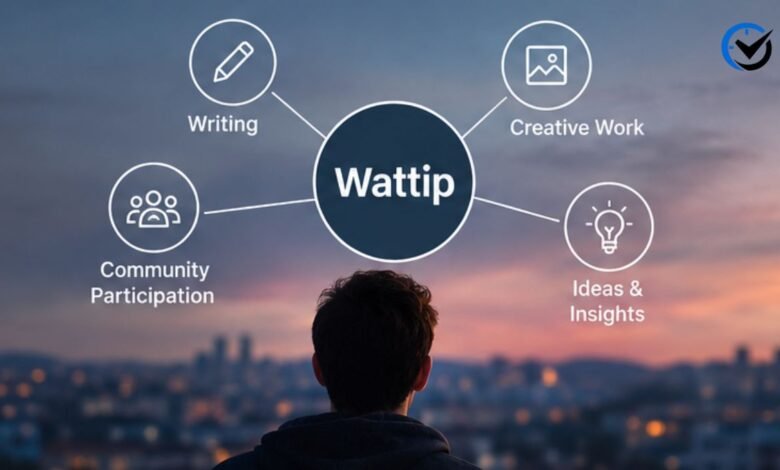
Wattip is best understood as an online digital creator and contributor profile rather than a conventional company, software product, or large content platform. That distinction matters because people discovering a creator profile usually want to understand what the account represents, what kind of content or contributions may be associated with it, and how to interpret the information presented online. Digital contributor profiles have become an important part of the modern web, giving individuals a place to publish ideas, share knowledge, participate in discussions, or build a recognizable online presence. Looking at Wattip through that lens provides a clearer way to understand its purpose without assuming details that may not be publicly established.
Understanding the Profile
A digital creator profile is generally an online identity connected to a person or contributor who produces, shares, or participates in digital content. Unlike a traditional business website, such a profile can have a more personal and flexible purpose. It may represent writing, creative work, commentary, community participation, or contributions to different online spaces. Wattip fits naturally into this broader category based on its description as a creator and contributor profile. The most useful way to approach it is therefore to focus on its digital identity and public-facing role rather than treating the name as a standalone product or service.
What Makes a Creator Profile Different
Creator profiles differ from ordinary websites because their value often comes from the person or contributor behind the account. A company website may primarily explain products, services, locations, or contact details, while a creator profile can be centered on ideas, interests, published work, and contributions. The profile itself may serve as a record of online activity and a way for readers to recognize the contributor across different forms of content. This makes context especially important when someone searches for an unfamiliar name such as Wattip.
The Role of Digital Contributors
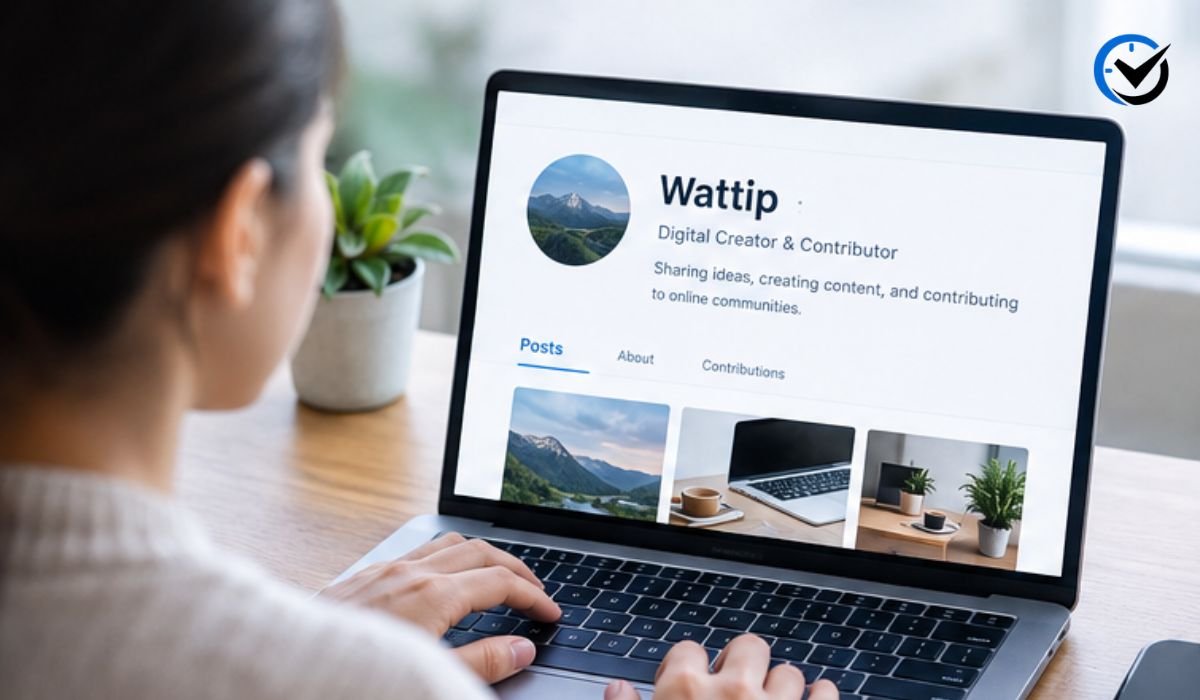
Online contributors play a broad role in today’s information environment. They may write articles, create visual material, participate in communities, provide commentary, or contribute knowledge to websites and digital projects. Some contributors work across several subjects, while others focus on one particular area. Their work can be published under a personal name, username, or recognizable profile identity. A contributor profile helps connect that activity to a consistent online presence, making it easier for readers to understand that separate pieces of content may come from the same source.
Why People Search for Creator Profiles
People often discover unfamiliar creator names while reading an article, browsing a community, or encountering content shared on another website. A profile search can help answer basic questions about who or what the name represents. In the case of Wattip, someone may be looking for information about the contributor behind the profile, its purpose, or the type of digital activity associated with it. These searches do not necessarily indicate that the profile is a major platform. Often, they simply reflect a reader’s desire for more context before deciding how much attention to give an unfamiliar online identity.
Building an Online Identity
An online identity develops through repeated participation and recognizable activity. A creator may use the same profile name across different projects, contribute regularly to digital communities, or publish material that reflects particular interests. Over time, these activities can give a profile a distinct identity. The strength of that identity does not depend only on follower numbers or popularity. Consistency, clarity, useful contributions, and responsible communication can all influence how readers perceive a digital contributor.
Content and Contribution
The most important part of any creator profile is usually the work connected to it. A name alone provides limited information. Readers gain a better understanding when they can see the subjects discussed, the type of material produced, and the communities or projects where contributions appear. For a profile such as Wattip, the available public content should therefore be considered more important than assumptions based solely on its name. Looking at actual contributions provides a more reliable picture of what the profile represents.
The Importance of Context
Context helps prevent misunderstandings around unfamiliar digital names. A short username can potentially be associated with different people, accounts, or online references. Without sufficient context, it is easy to connect unrelated information or assume that two profiles belong to the same contributor. This is particularly relevant when researching lesser-known online identities. Readers should distinguish clearly between information directly connected to the profile and information that merely uses a similar name elsewhere on the internet.
Avoiding Unverified Assumptions
One of the most important principles when discussing a digital creator is separating confirmed information from speculation. A profile name does not automatically reveal a creator’s location, age, profession, background, or personal life. Likewise, the existence of online contributions does not necessarily mean that every piece of content using a similar name comes from the same person. A careful description should stay within information that can reasonably be connected to the profile and avoid filling gaps with guesses.
Public Information and Privacy
Digital creators often maintain a boundary between their public work and private lives. A contributor may choose to share professional interests while keeping personal details offline. Respecting that distinction is important when researching or describing a creator profile. Publicly available information can help readers understand a person’s digital activity without requiring speculation about private circumstances. This approach is especially useful for smaller creators who may not have extensive public biographies.

How Readers Can Evaluate Online Profiles
Readers can learn more about a creator by examining the profile’s visible information and the content associated with it. The author’s description, published material, contribution history, and stated areas of interest can provide useful context. It is also helpful to look for consistency between the profile and the work attributed to it. If information appears contradictory, readers should avoid automatically assuming that all references belong to one person. A measured approach leads to a more accurate understanding.
Creator Profiles and Digital Communities
Many online creators operate within communities rather than publishing independently. They may contribute to discussion boards, collaborative websites, creative networks, knowledge-sharing projects, or other digital spaces. These communities can give contributors opportunities to exchange ideas and reach audiences that would be difficult to find through a personal website alone. A profile such as Wattip can therefore be viewed as part of a wider ecosystem in which individual contributors and online communities interact.
Why Contributor Consistency Matters
Consistency can make a creator easier to recognize and follow. When a contributor uses a stable identity, readers can more easily connect new work with earlier contributions. Consistency can also help establish expectations around the type and quality of content a person produces. However, consistency does not mean that every contribution must cover the same subject. Digital creators can explore different interests while maintaining a recognizable presence through their name, voice, or approach.
The Changing Creator Economy
The internet has changed how individuals publish and distribute information. A person no longer needs to work for a traditional media organization to create content that reaches an international audience. Blogs, social networks, collaborative websites, newsletters, video services, and online communities have created many paths for independent contributors. This broader creator environment explains why relatively simple digital profiles can have meaningful roles. They may function as a starting point for discovering a person’s work rather than as complete websites in themselves.
Discoverability and Digital Reputation
Being discoverable online can be valuable for creators, but visibility also brings responsibility. Readers may encounter a profile without knowing anything about the person behind it. Clear descriptions and accurate contributions can make the profile easier to understand. At the same time, creators benefit from maintaining accurate information and avoiding misleading claims. A strong digital reputation generally develops through repeated interactions rather than through a single piece of content or one-time burst of attention.
What New Visitors Should Look For
Someone visiting Wattip for the first time should begin with the information that directly explains the profile. The description can indicate whether the account is primarily focused on writing, creative work, community participation, or another form of contribution. From there, examining associated material can reveal recurring subjects and the kind of audience the creator appears to serve. This simple process provides more useful information than relying on assumptions based on the profile name alone.
Understanding the Limits of a Profile
A creator profile is rarely a complete biography. Even when a profile contains useful professional information, it may leave out personal background, education, employment history, or other details. That is not necessarily a weakness. Many people intentionally maintain a limited public presence. The purpose of a creator profile is often to represent online work, not to document every part of someone’s life. Readers should therefore avoid expecting information that the contributor has not chosen to publish.
The Value of Independent Contributions
Independent contributors can add variety to the internet’s information landscape. They may approach familiar subjects from personal or specialized perspectives, introduce ideas that larger publishers overlook, or participate in niche communities. Their contributions can also help people discover new interests and viewpoints. For this reason, creator profiles should be understood as part of a larger digital culture where individuals can publish and participate without belonging to a major organization.
A Practical Way to Understand Wattip
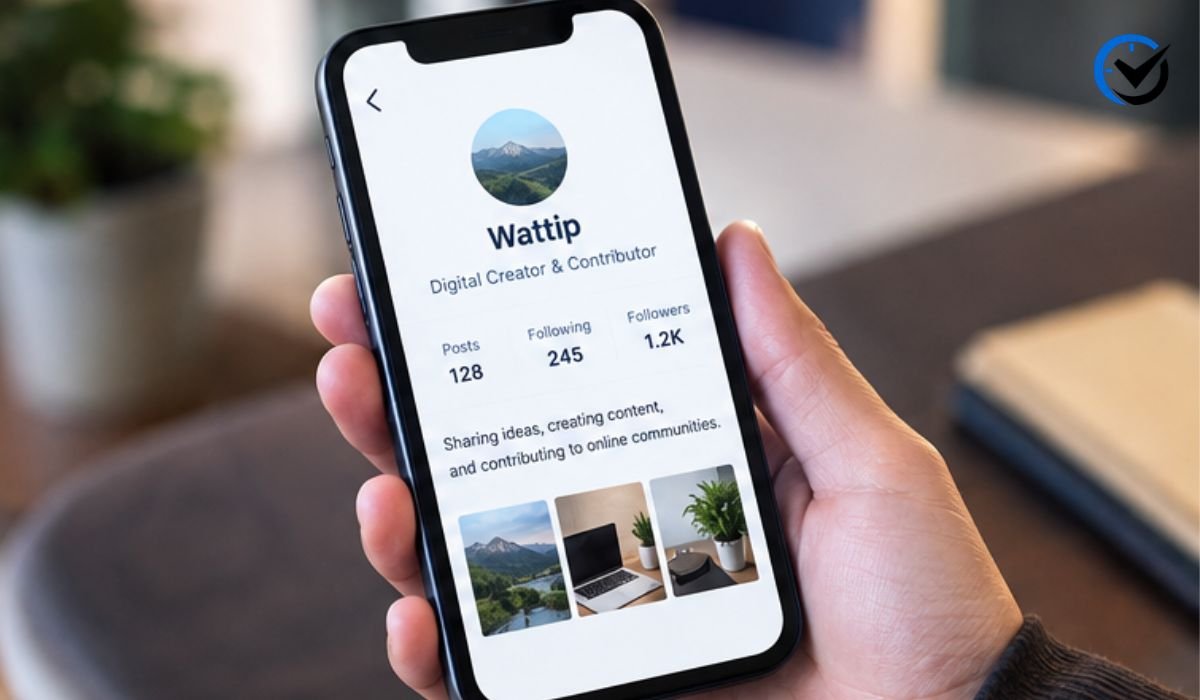
The clearest way to understand Wattip is to treat it as a digital identity connected to creator and contributor activity. Rather than assuming that it is a product, company, or technology service, readers should examine the public material associated with the profile and consider what that material actually demonstrates. This approach keeps the discussion accurate while leaving room for the profile’s identity and activities to develop over time. It also avoids confusing an online contributor with unrelated names or services.
Final Thoughts
Wattip represents the kind of digital creator and contributor profile that is best understood through its public identity and actual online activity. Creator profiles can serve as gateways to writing, community participation, creative work, and knowledge sharing without needing to function as traditional businesses or large platforms. For readers, the most useful approach is to focus on verified profile information, examine associated contributions, and keep unrelated references separate. As the internet continues to give individuals more ways to publish and participate, profiles like this can remain useful points of connection between creators and the audiences interested in their work.
Frequently Asked Questions (FAQs)
1. What is Wattip?
Wattip is described as an online digital creator and contributor profile. Its primary significance comes from its role as an online identity connected with digital contribution and creator activity rather than from being presented as a conventional software product or business service.
2. Is Wattip a company or platform?
Based on its description as a digital creator and contributor profile, it should not automatically be treated as a company or standalone technology platform. Readers should focus on the profile’s actual public information and associated contributions rather than assuming a corporate structure.
3. What does a digital contributor do?
A digital contributor can create or share material across online communities and publishing spaces. Depending on the individual, this may include articles, commentary, creative work, educational material, discussions, or other forms of digital participation.
4. Why might someone search for Wattip?
Someone may encounter the name while viewing online content and want to understand who or what it represents. They may also want more context about the creator, the profile’s contributions, or the type of digital activity associated with the name.
5. Is Wattip connected to a specific type of content?
A creator profile can cover one subject or several areas depending on the contributor’s interests. The most reliable way to determine the focus is to examine the material directly associated with the profile instead of assuming its subject from the name.
6. Can a creator profile be different from a personal website?
Yes. A creator profile may exist within another digital community or publishing environment, while a personal website is usually controlled and organized as a standalone online property. A profile can therefore be much more focused on identity and contributions.
7. Should readers trust everything associated with a creator name?
Readers should evaluate individual content rather than automatically trusting every reference to a particular name. Similar usernames can belong to different people, and information found elsewhere may not necessarily be connected to the original profile.
8. Does a digital creator need a large audience?
No. A creator can make useful contributions without having a large following. The value of digital work can depend on its usefulness, originality, clarity, and relevance to a particular community rather than audience size alone.
9. Why is context important when researching Wattip?
Context helps readers separate information directly connected to the profile from unrelated references. This reduces the risk of confusing different people or accounts and makes it easier to understand what the creator actually does online.
10. What should visitors look at first?
Visitors should begin with the profile description and then examine its associated contributions. Looking at the creator’s published material, stated interests, and visible activity can provide a more reliable understanding than making assumptions from the profile name alone.
Recommended: Ohio Champion Trees Lewis Center Ohio: A Guide to Remarkable Trees





One Comment