

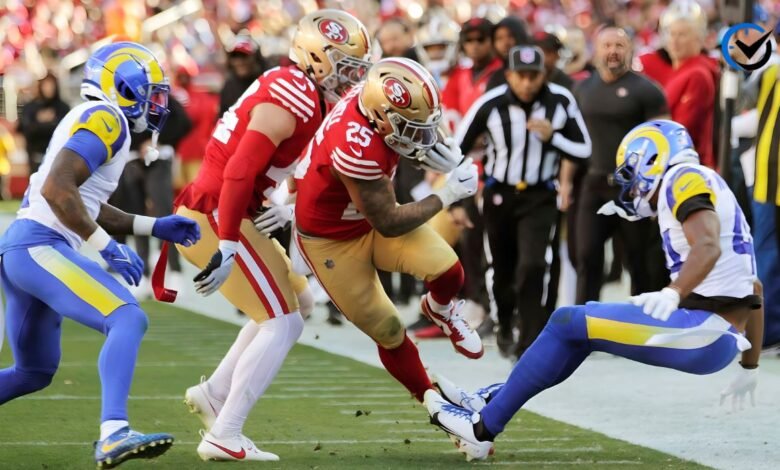
Few rivalries in the NFL carry as much weight as the one between the San Francisco 49ers and the Los Angeles Rams. Both teams share a division, a coastal identity, and a long history of hard-fought battles that often decide playoff seeding in the NFC West. When these two franchises meet, fans expect big plays, strong performances from star players, and a game that comes down to execution in key moments. This article breaks down the San Francisco 49ers vs Los Angeles Rams match player stats from their most recent meeting, giving readers a clear picture of who stepped up, who struggled, and what those numbers mean going forward. Whether you follow football casually or study every box score, this piece is built to give you a complete and easy-to-understand look at how the game actually played out on the field.
A Rivalry Renewed on a Global Stage
This particular matchup carried extra significance because it opened the 2026 season and took place far from either team’s home turf, in Melbourne, Australia. A crowd of more than one hundred thousand fans packed the venue, turning a regular-season opener into something closer to a spectacle. The San Francisco 49ers opened their 2026 campaign with a 27-7 win over the Los Angeles Rams in Melbourne. That final score alone tells part of the story, but the deeper numbers behind it explain exactly how San Francisco pulled away and why Los Angeles never found its rhythm. Playing an NFC West rivalry game overseas added an unusual layer to the contest, yet both teams treated it with the same intensity fans expect from a divisional clash back home.
How the Game Unfolded
Brock Purdy and the 49ers offense thrived throughout the contest, while Matthew Stafford and the Rams offense struggled to finish drives. Early on, neither team found much success moving the ball efficiently. The two sides combined for three punts across four drives in the opening quarter, with San Francisco holding a slim 3-0 lead heading into the second period. That slow start suggested a tightly contested affair, but the game shifted noticeably as both offenses settled in and began trading scores, eventually opening up into the kind of performance gap that defined the final result.
Los Angeles actually found the end zone first, as Kyren Williams scored on a short rushing touchdown to put the Rams ahead 7-3. That early lead gave Los Angeles fans reason for optimism, especially after a strong offseason of expectations. However, momentum shifted quickly. San Francisco’s Brock Purdy threw an interception on the ensuing possession, but Stafford immediately turned the ball over as well, canceling out any advantage the turnover might have created. From that point forward, San Francisco began to take control of the game in a way that would define the rest of the afternoon.
Quarterback Stats: Purdy and Stafford
Quarterback play is often the clearest window into how a game actually went, and this matchup was no exception. The passing numbers from both starters reveal a story of one quarterback finding his groove and another searching for answers all game long.
Brock Purdy’s Performance
Brock Purdy completed 25 of his 34 pass attempts for 205 yards, throwing three touchdowns against one interception. That kind of efficiency, especially in a season-opening environment far from home, speaks to how comfortable Purdy looked operating the offense. Completing nearly three out of every four throws shows accuracy and command of the game plan, while the three touchdown passes demonstrate his ability to finish drives rather than settling for field goals. Purdy connected with Demarcus Robinson for a thirty-nine yard touchdown, a big-play moment that helped San Francisco regain the lead after Los Angeles had briefly gone ahead. That single throw changed the tone of the game and gave his offense the confidence to keep pushing.
Matthew Stafford’s Outing
Matthew Stafford completed 15 of 25 passes for 155 yards without throwing a touchdown, while also being intercepted once. Those numbers tell a much different story than Purdy’s afternoon. A veteran quarterback known for aggressive downfield throws, Stafford instead found himself limited to shorter, safer completions for much of the contest. The absence of a touchdown pass is particularly telling, since it shows the Rams offense had trouble finishing drives once they crossed midfield. Even with experienced weapons around him, Stafford could not generate the explosive plays that typically define his best performances.
Running Back Production
The ground game often sets the tone for how comfortable an offense feels, and both starting running backs saw a steady workload throughout the game.
Christian McCaffrey’s Workload
Christian McCaffrey carried the ball ten times for sixty-eight yards, though he did not find the end zone on the ground. Even without a rushing touchdown, McCaffrey’s per-carry average of nearly seven yards shows he was consistently gaining chunks of yardage rather than getting stopped at the line. His presence in the backfield also forces defenses to respect the run, which opens up opportunities for the passing game to operate more freely. A back averaging that kind of output tends to wear down a defense over four quarters, even if the box score does not show a touchdown next to his name.
Blake Corum’s Effort
On the other side, Blake Corum carried the ball ten times for fifty-four yards for the Rams. That workload mirrors McCaffrey’s in terms of carries, though the yardage total came in slightly lower. Corum’s performance still showed flashes of promise, particularly given the difficult circumstances his offense faced after falling behind. Running backs often see fewer opportunities when a team is forced to abandon the run and throw more, so his numbers reflect both his effort and the game situation the Rams found themselves in during the second half. Receiving Numbers That Stood Out
Wide receivers and pass catchers often provide the clearest highlights of any game, and this matchup delivered a few standout performances worth examining closely.
Mike Evans and the 49ers Passing Attack
Mike Evans caught six passes for forty-nine yards and one touchdown, giving San Francisco a reliable target throughout the game. Evans has built a career on being a consistent, physical presence at the catch point, and this performance reflected that reputation. His touchdown reception added to the scoring total and gave Purdy another trusted option to lean on when the offense needed a big play. Beyond the statistics, having a receiver who consistently gets open and finishes plays gives an offense the kind of stability that becomes especially valuable in tight game situations.
Puka Nacua’s Rams Performance
Puka Nacua led the Rams in receiving with five catches for seventy-four yards, though he did not reach the end zone. His average of nearly fifteen yards per catch shows he was still a dangerous downfield threat even as the rest of the Rams offense struggled to generate points. Nacua’s ability to gain significant chunks of yardage kept Los Angeles within reach of extending drives, even if the final results did not always translate into touchdowns. For a young receiver still building his reputation, this kind of production against a divisional rival remains meaningful regardless of the final score.
While offensive numbers often grab the headlines, defensive performances shaped the outcome of this game just as much, if not more.
Fred Warner’s Impact
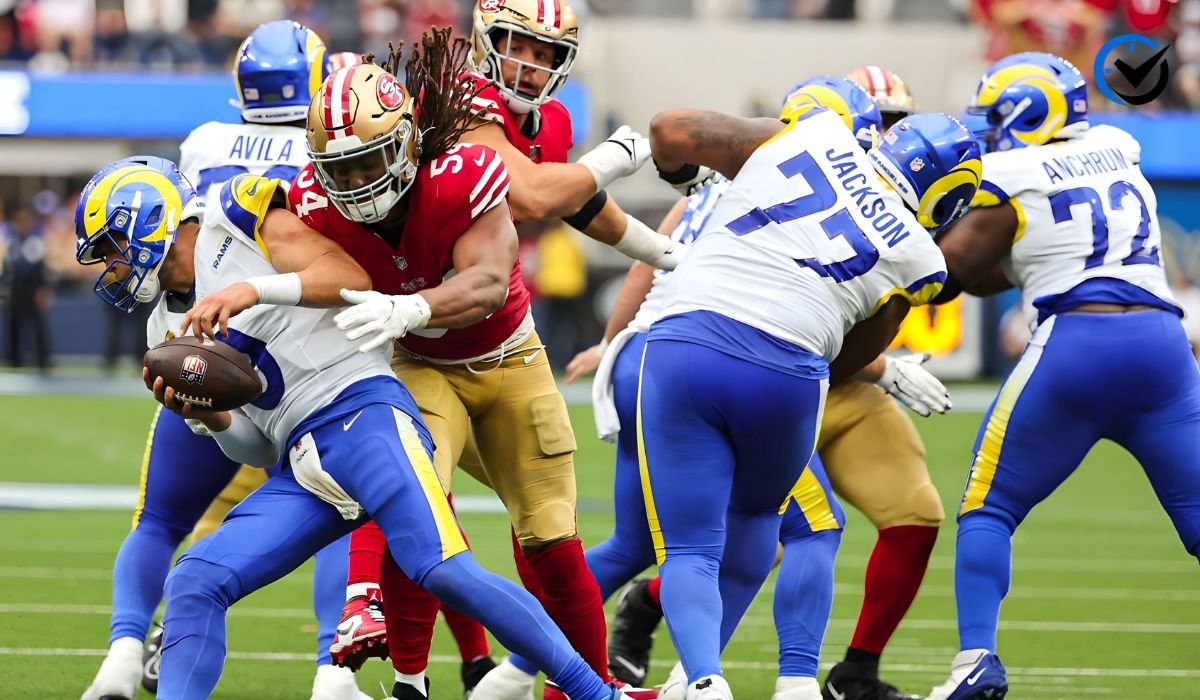
Fred Warner finished the game with eleven tackles, the highest total of any player on either roster. As one of the most respected linebackers in the league, Warner’s ability to consistently find the ball and make plays sideline to sideline helped limit the Rams offense from sustaining long drives. A tackle total that high usually reflects a player who is constantly around the football, whether stopping the run or closing on short passing plays. His presence on the field gave San Francisco’s defense the kind of steady leadership that often goes unnoticed in highlight reels but shows up clearly in the final stat sheet.
Nick Bosa’s Pressure
Nick Bosa recorded four tackles and two tackles for loss during the contest. Even without a sack listed in the box score, disrupting two plays behind the line of scrimmage shows Bosa was consistently affecting the Rams offensive game plan. Pressure from the edge often forces quarterbacks into quicker, less accurate throws, which aligns with Stafford’s modest passing numbers on the day. Bosa’s ability to consistently win his matchups up front plays a major role in why San Francisco’s defense performed as well as it did.
Trent McDuffie’s Coverage
Trent McDuffie recorded four tackles and one tackle for loss for the Rams defense. While his team ultimately came up short on the scoreboard, McDuffie’s individual effort showed a player actively contributing on the back end. Defensive backs who record tackles for loss are often making plays quickly after the catch or stopping runs before they develop, both signs of disciplined, alert play. His performance stood out as one of the few bright spots for a Rams defense that had to work hard just to keep the game from getting further out of hand.
Turnovers and Momentum Swings
San Francisco’s defense also created a major turning point when safety Quentin Lake intercepted a Purdy pass, temporarily giving the Rams hope of gaining momentum. Wait, that interception actually favored the Rams defense, and Stafford’s own turnover on the very next possession quickly erased any advantage it created. These kinds of back-and-forth moments often define close games in their early stages, even when the final score ends up more lopsided. Turnovers rarely occur in isolation, and how a team responds immediately afterward often says more about the outcome than the turnover itself.
Team Stats Beyond Individual Numbers
Individual performances matter, but overall team statistics help explain the full picture of how the game was controlled. San Francisco’s ability to finish drives, particularly in the red zone, separated the two teams as the game progressed. Time of possession, third-down conversion rates, and total yardage all point toward an offense that executed more consistently under pressure. Meanwhile, the Rams’ inability to convert promising drives into touchdowns, settling instead for missed opportunities, became one of the clearest explanations for the final margin.
What These Stats Reveal About Both Teams
Looking at the complete statistical breakdown, San Francisco’s balance stands out immediately. A quarterback playing efficiently, a running back gaining consistent yardage, and a defense creating pressure without needing gaudy sack totals all point toward a well-rounded team performance. The Rams, by contrast, showed flashes of individual talent, particularly from Nacua and Corum, but could not string together the kind of complementary football needed to keep pace. This gap between complete team execution and individual flashes often explains why final scores look more decisive than the talent gap on paper might suggest.
Why Player Stats Matter for Fans and Analysts
Beyond satisfying curiosity, detailed player statistics help fans understand team tendencies heading into future matchups. Coaches and analysts use these numbers to identify strengths worth building on and weaknesses that need correcting before the next meeting between these two rivals. For casual fans, stats like completion percentage, yards per carry, and tackles for loss offer an easy way to measure performance without needing to rewatch the entire broadcast. This kind of statistical literacy has become an important part of how modern football fans engage with the sport they love.
Looking Ahead for Both Franchises
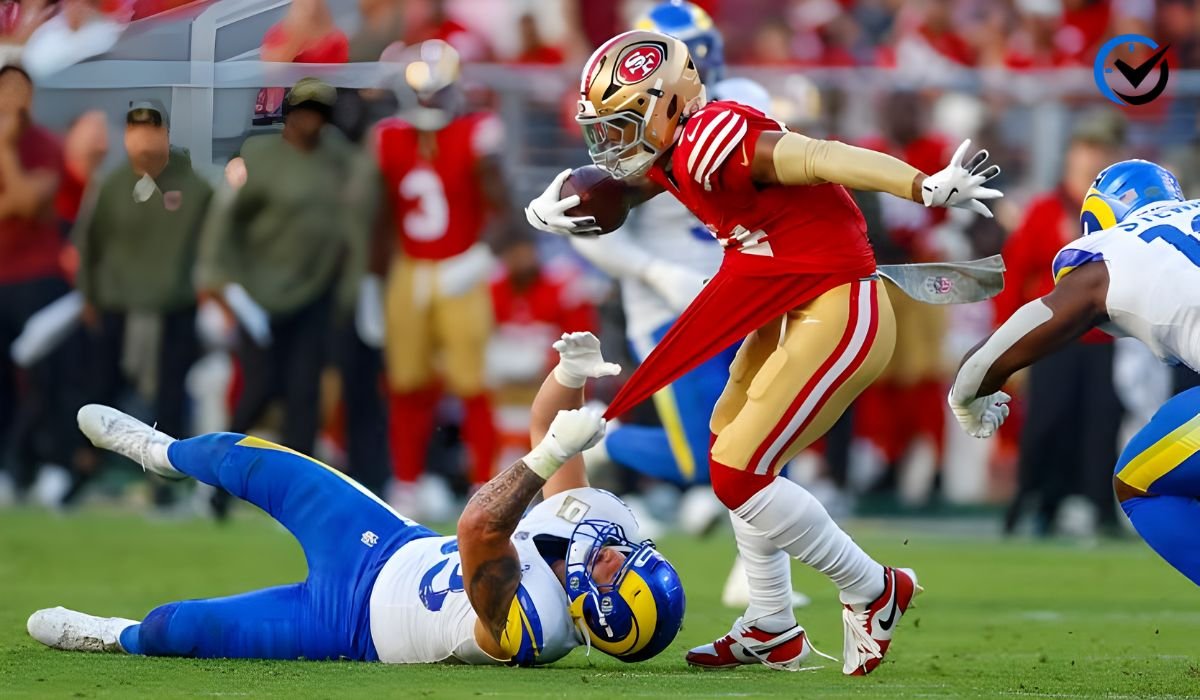
With this result now in the books, both teams will look to build on or correct what happened in this opening matchup. San Francisco will want to maintain the offensive balance that made Purdy so effective, while continuing to lean on a defense capable of limiting explosive plays. Los Angeles, meanwhile, faces the challenge of finding more consistency in the red zone and protecting the football, two issues that clearly hurt them in this contest. As the season progresses, this early data point will likely serve as a reference for how far each team has come by the time these two rivals meet again.
Final Thoughts
Breaking down the San Francisco 49ers vs Los Angeles Rams match player stats gives a much clearer picture than the final score alone ever could. Brock Purdy’s efficient, multi-touchdown performance set the tone for San Francisco, while playmakers like Mike Evans and defensive anchors like Fred Warner and Nick Bosa rounded out a complete team effort. On the other side, Matthew Stafford and the Rams showed moments of promise through players like Puka Nacua and Blake Corum, but ultimately could not overcome missed opportunities and inconsistent execution. Understanding these individual numbers helps fans appreciate not just who won, but exactly how and why the game unfolded the way it did.
Frequently Asked Questions (FAQs)
1. What was the final score between the 49ers and the Rams in this matchup?
San Francisco won the game 27-7, opening their season with a decisive victory over their NFC West rival. The scoreline reflected a strong overall performance from the 49ers offense and defense, even though the Rams briefly held an early lead before San Francisco took control.
2. How did Brock Purdy perform statistically in this game?
Purdy had an efficient outing, completing 25 of his 34 passing attempts for 205 yards and three touchdowns, with one interception. His accuracy and ability to find the end zone multiple times made him the standout quarterback of the game.
3. Why did Matthew Stafford struggle to throw a touchdown pass?
Stafford completed 15 of 25 passes for 155 yards but was unable to connect on any touchdown throws. Much of this came down to the Rams offense stalling in scoring position, along with strong pressure and coverage from the San Francisco defense limiting explosive downfield opportunities.
4. Who led both teams in rushing yards?
Christian McCaffrey led San Francisco with 68 yards on ten carries, while Blake Corum matched him with ten carries for the Rams, gaining 54 yards. Both backs played significant roles in their respective offensive game plans.
5. Which receiver had the most receiving yards in the game?
Puka Nacua led all receivers with 74 yards on five catches for the Rams, while Mike Evans led San Francisco with 49 yards and a touchdown on six receptions.
6. Did any defensive players stand out in this matchup?
Yes, Fred Warner recorded a team-high eleven tackles for San Francisco, while Nick Bosa added four tackles and two tackles for loss. On the Rams side, Trent McDuffie contributed four tackles and one tackle for loss.
7. Where was this particular 49ers vs Rams game played?
This matchup took place in Melbourne, Australia, drawing a crowd of more than one hundred thousand fans as part of the league’s effort to grow its international audience.
8. How many turnovers occurred during the game?
Both teams committed one turnover each. San Francisco’s Brock Purdy threw an interception, and Matthew Stafford was intercepted as well, keeping the turnover margin even despite the lopsided final score.
9. What made San Francisco’s offense more effective overall?
San Francisco’s offense benefited from balanced production between the run and pass, along with a quarterback who consistently found ways to finish drives with touchdowns rather than settling for field goals throughout the contest.
10. Why do player stats matter beyond just the final score?
Player stats give fans, analysts, and coaches a deeper understanding of team performance, individual contributions, and areas needing improvement. They help explain not just who won, but how specific matchups and decisions shaped the outcome of the game.
Recommended: Cleveland Browns vs Jacksonville Jaguars Match Player Stats: Key Takeaways

One Comment