

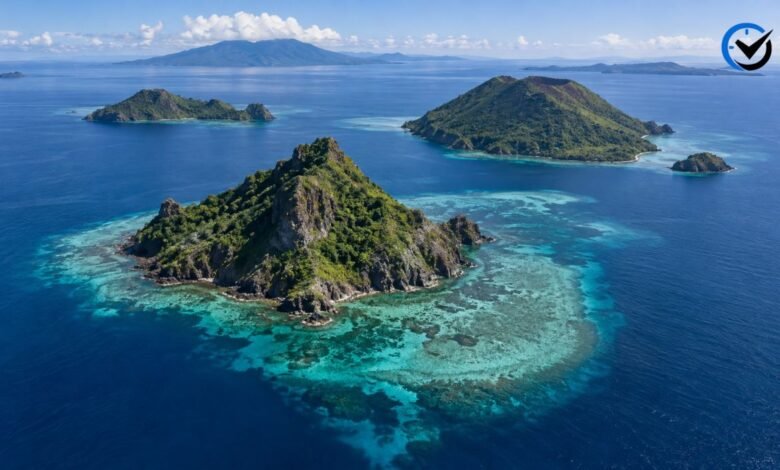
Far from Indonesia’s busy tourist centers lies a little-known island group surrounded by the deep waters of the Banda Sea. Known as the Lucipara Islands, this remote area in Maluku Province is notable for its coral reefs, turtle nesting beaches, seabirds, and largely untouched marine environment. Unlike popular Indonesian destinations with large resorts, permanent settlements, and regular visitor traffic, these islands are difficult to reach and have very limited human presence. Their isolation is part of what makes them interesting. It has also made the surrounding waters increasingly important in discussions about marine conservation, sustainable tourism, and the protection of fragile ocean habitats.
Where Are the Lucipara Islands?
The island group is located in the Banda Sea within Maluku, one of Indonesia’s eastern provinces. The islands sit in a broad marine region between larger parts of the Maluku island chain and are separated from major population centers by open ocean. Their position places them within the wider Banda Sea ecosystem, an area known for deep water, strong currents, coral formations, and rich marine biodiversity. The islands are associated with the Inner Banda Arc and fall under Indonesian administrative jurisdiction. Their distance from Ambon and nearby communities helps explain why they have remained relatively undeveloped compared with better-known Indonesian islands.
Why Is This Island Group So Remote?
Distance is one of the defining features of this destination. Earlier surveys and sailing information have described the islands as being many nautical miles from the nearest communities and from Ambon, the provincial capital. Reaching them generally requires a suitable vessel and careful planning rather than a simple commercial flight followed by a short road trip. There are no major airports, hotels, or conventional tourist facilities on the islands themselves. Weather, sea conditions, currents, and reef locations all matter when approaching the area. This level of isolation makes the islands fascinating to explorers, divers, researchers, and conservation groups, while also limiting casual tourism.
What Kind of Islands Are They?
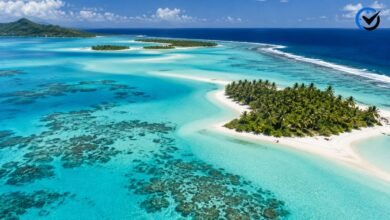
The name Lucipara is commonly used for an island group rather than a single large island. Descriptions of the area have identified several small islands and reef formations associated with the Lucipara and nearby Penyu groups. Some sources describe different numbers of islands because the wider area includes small coral islands, reefs, and related island groups. The landscape is very different from Indonesia’s high volcanic islands covered by large mountains and dense settlements. Instead, the area includes low-lying islands surrounded by extensive reef systems. Their physical appearance reflects the powerful relationship between coral growth, ocean conditions, and the geological history of the Banda region.
A Landscape Shaped by the Sea
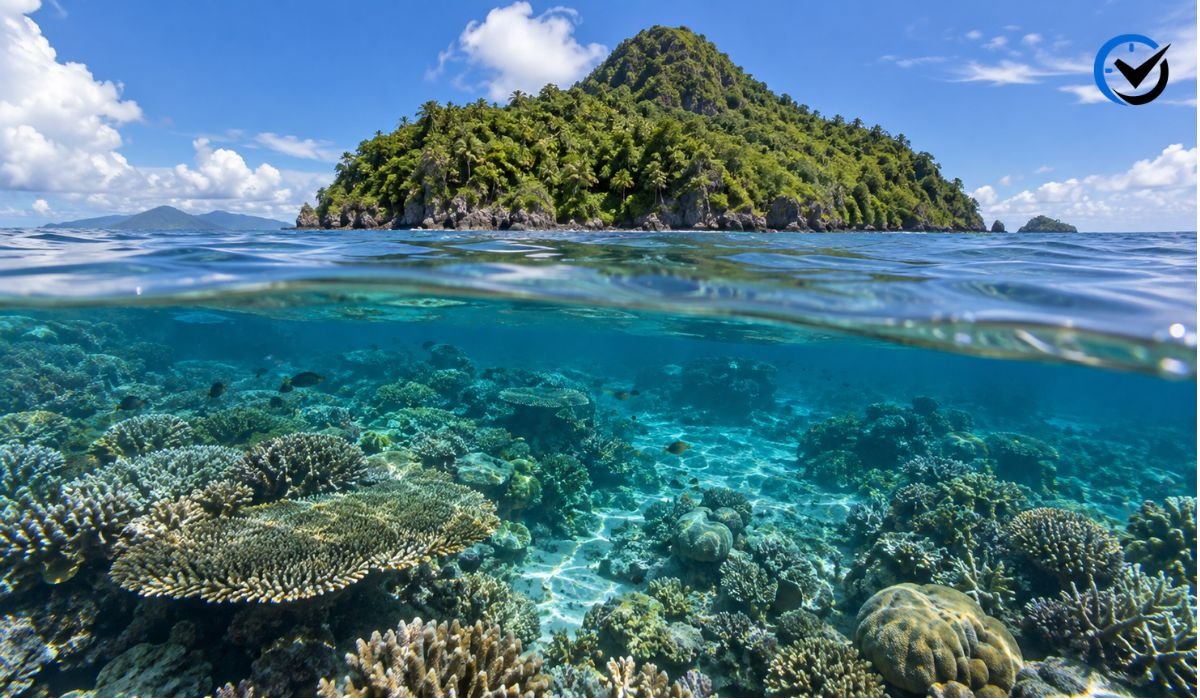
The surrounding marine environment is arguably more important than the limited land area itself. Coral reefs extend around the islands, creating habitat for fish, turtles, seabirds, and many other organisms. Some areas contain submerged reefs and deeper underwater structures that add to the variety of habitats. Strong waves and changing currents can shape beaches and reef edges over time. The combination of shallow reef areas and much deeper water nearby creates a striking underwater environment. For visitors arriving by boat, the contrast can be easy to notice: small, low islands rise from a vast sea, while much of the biological activity exists beneath the surface.
Coral Reefs and Marine Biodiversity
The reefs around the islands are among the main reasons the region attracts scientific and conservation attention. Healthy coral systems provide shelter and feeding grounds for numerous marine species and support food webs that extend far beyond the reef itself. Survey work in the wider area has recorded reef conditions ranging from damaged sections to areas in very good condition. That variation is important because it shows that the ecosystem is not uniformly untouched. Coral disease, strong wave action, marine debris, and harmful fishing practices can affect reef health. Protecting the strongest remaining areas can therefore help maintain biodiversity and improve the resilience of the wider marine environment.
Sea Turtles of the Region
Sea turtles are one of the most recognizable conservation values associated with the Lucipara Islands. Turtle nesting beaches have been identified in the area, and green turtles are among the species connected with these coastal habitats. Hawksbill turtles have also been recognized as part of the broader conservation importance of the Banda and Lucipara region. Small, isolated beaches can be extremely valuable for nesting turtles because successful reproduction depends on suitable sand, limited disturbance, and safe access to the sea. The remote character of these islands can provide advantages, but protection still matters because nesting beaches can be affected by human activity, waste, harvesting, and changes in coastal conditions.
Seabirds and Coastal Wildlife
The islands are also valuable for birds that depend on small coastal habitats. Earlier environmental descriptions identified seabird nesting and roosting areas, including locations used by large tern species. Small islands can provide important resting and breeding sites because they offer separation from many land-based predators and human disturbances. The surrounding sea then supplies food for birds that travel between reefs and open water. This connection between land and ocean is easy to overlook when looking at a tiny island on a map. In reality, a small piece of land can support a much larger ecological system by providing a safe place for wildlife to breed, rest, and raise young.
The Importance of the Deep Ocean
The conservation value of the area does not stop at the shallow reefs. Recent scientific and planning work has highlighted deeper marine features around the region, including seamounts, submarine canyons, trenches, and submerged reef structures. These habitats can influence ocean currents and provide important areas for larger marine animals. The wider region has also been identified as having ecological connections for cetaceans and other highly mobile species. Such features demonstrate why a marine conservation plan must consider the whole seascape rather than protecting only beaches or shallow coral gardens. What happens in deep water can affect species and habitats much closer to shore.
Why Conservation Has Become Important
The relative lack of development does not mean the ecosystem is automatically safe. Fishing pressure, destructive fishing methods, marine debris, and other human activities can gradually damage places that appear remote. Natural pressures, including strong waves and coral disease, can also affect reefs. Conservation planning is therefore intended not only to repair existing damage but also to prevent larger problems in the future. Protecting a remote marine environment requires reliable rules, monitoring, local involvement, scientific information, and practical enforcement. Without these elements, even an isolated island group can become vulnerable as fishing activity and tourism increase.
The Proposed Marine Protected Area
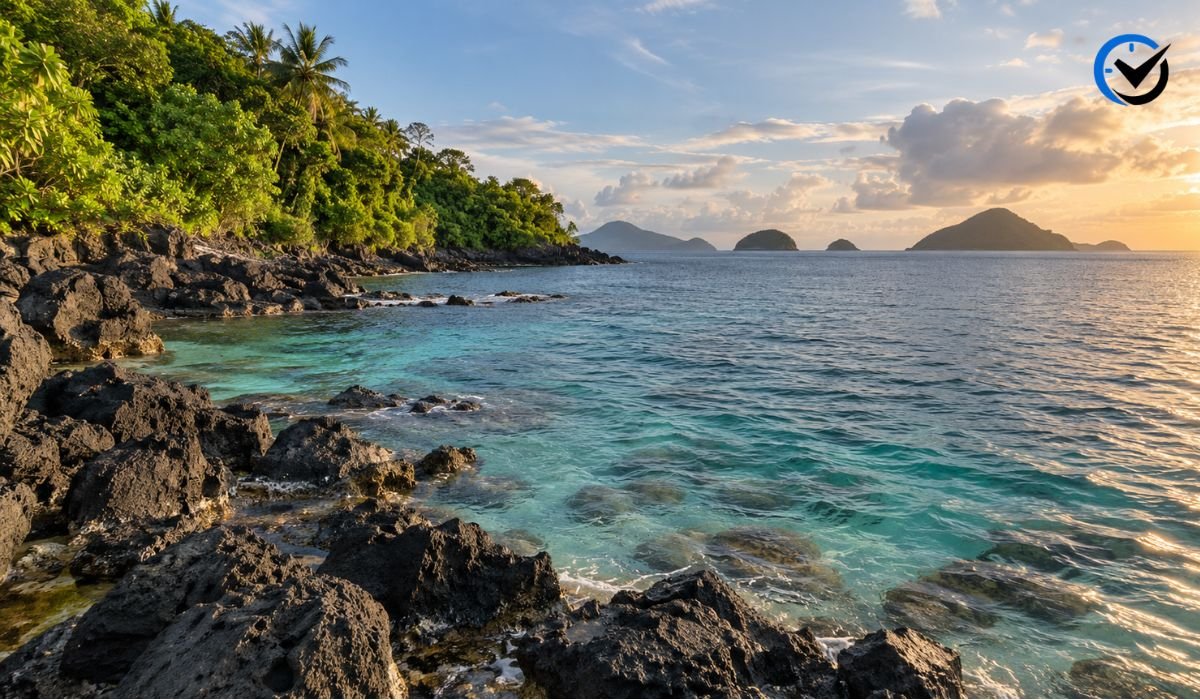
The Lucipara region has been the subject of continuing work toward stronger marine protection. Recent efforts by Maluku authorities and conservation organizations have focused on developing a marine protected area and creating a management framework for it. Planning has included ecological surveys, social and economic research, stakeholder discussions, and consideration of how the marine space should be managed. The proposed conservation area covers a very large expanse of sea rather than simply the visible islands. This approach reflects the reality that the region’s most valuable resources are largely underwater. Effective management can help balance biodiversity protection with responsible use of marine resources.
What Conservation Could Mean for Tourism
Marine protection does not necessarily mean closing an area completely to visitors. Instead, careful management can create a framework in which tourism takes place without damaging the environment that attracts people in the first place. Diving, snorkeling, wildlife observation, sailing, and scientific tourism could potentially benefit from clear rules and controlled access. However, the area is not comparable with established Indonesian beach destinations. Visitors need to understand that remote travel comes with practical limits, including limited infrastructure, changing weather, and the need for experienced operators. The long-term value of tourism will depend on keeping the marine environment healthy rather than maximizing visitor numbers.
Challenges of Visiting the Islands
Anyone considering a trip should approach the Lucipara Islands as a remote expedition rather than a conventional vacation. There are no major resorts or extensive tourist services waiting on arrival. Boat travel is central, and safe navigation requires knowledge of reefs, currents, weather, and local conditions. Access can also change with the season. Because the islands have limited infrastructure, travelers need to be self-sufficient and use experienced crews familiar with the Banda Sea. This difficulty is part of the attraction for some travelers, but it also means that responsible planning is essential. A destination this isolated cannot be treated like a typical sightseeing stop.
Why Responsible Travel Matters
Remote places can be surprisingly fragile. A small amount of waste, careless anchoring, damage to coral, or disturbance of nesting wildlife can have a greater effect when there are few facilities and limited opportunities for cleanup or repair. Responsible visitors should follow local rules, avoid touching marine life, keep waste under control, and respect wildlife areas. Anchoring practices are particularly important around coral reefs because physical damage can take years to recover. Good tourism should leave the environment in at least as strong a condition as it was found. In a place where nature is the main attraction, protecting that nature is also the best way to protect the destination’s future.
Local Connections and Human Activity
Although the islands are often described as uninhabited or extremely sparsely used, that does not mean they have no human connections. Historical and contemporary information indicates that people from nearby communities have used parts of the wider area, including for fishing and occasional resource gathering. This makes conservation more complicated than simply drawing a boundary around an empty space. Effective management needs to understand traditional use, fishing activity, ownership claims, and the interests of communities connected to the area. Conservation works best when local knowledge and legitimate community concerns are considered alongside ecological research.
Lucipara and the Wider Banda Sea
Understanding the islands also means understanding their larger setting. The Banda Sea is one of Indonesia’s most remarkable marine regions, with deep ocean basins, volcanic islands, coral reefs, and highly productive waters. The region sits within the broader Coral Triangle, an area internationally recognized for exceptional marine biodiversity. The Banda Sea has also played an important role in human history, trade, fishing, and exploration. Lucipara represents a quieter side of this environment. While the Banda Islands are better known for their historical settlements and cultural heritage, these remote reefs show another dimension of the same sea: a landscape where ecological value dominates the horizon.
What Makes the Islands Different?
The appeal of Lucipara is not based on famous buildings, nightlife, shopping, or large-scale attractions. Its appeal comes from remoteness and natural character. The combination of low coral islands, open ocean, reef habitats, turtle nesting beaches, seabirds, and deep-water ecosystems creates a destination unlike most mainstream Indonesian travel locations. The absence of large-scale development is itself a defining feature. For people interested in marine life and remote environments, that can be far more meaningful than a conventional resort experience. At the same time, its isolation means that expectations need to remain realistic.
The Future of Lucipara
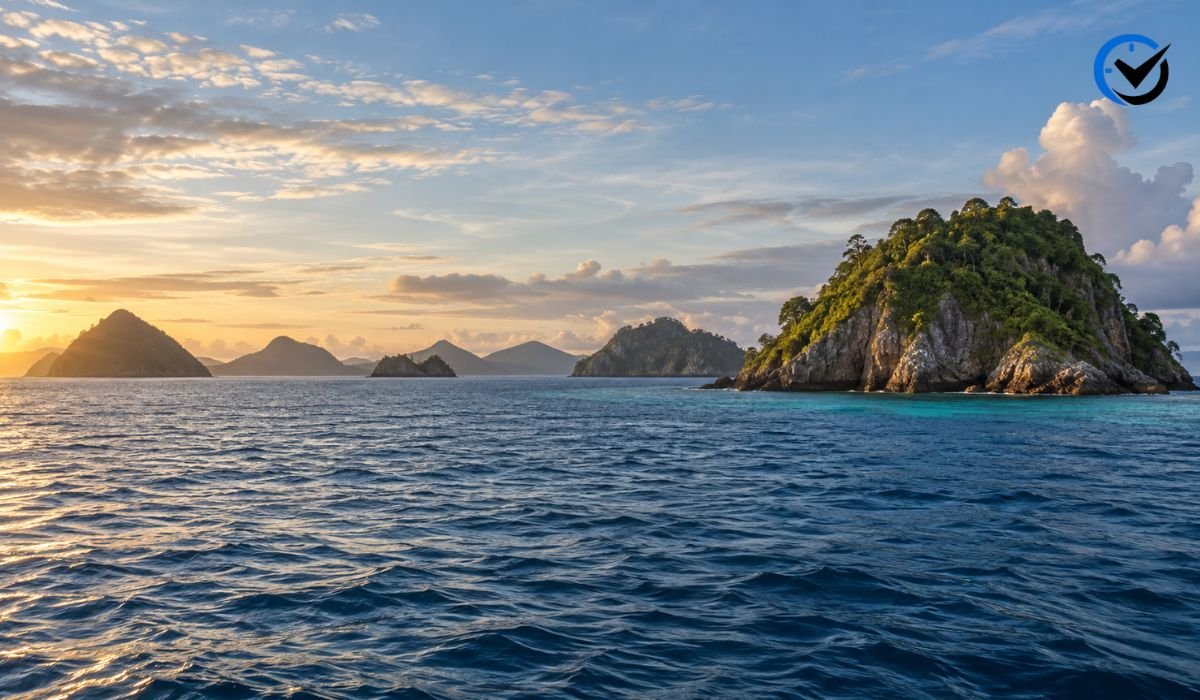
The future of the island group will depend heavily on how its marine environment is managed. Current conservation work is moving toward stronger planning, collaboration between government and environmental organizations, and more detailed scientific understanding of the area. The goal is not simply to place a protected label on a map. A successful system needs funding, trained personnel, clear regulations, monitoring, stakeholder participation, and long-term commitment. Sustainable tourism may become part of that future, but it should develop carefully. If managed well, the area could demonstrate how remote marine ecosystems can receive stronger protection while still supporting carefully controlled economic opportunities.
Final Thoughts
The Lucipara Islands offer a rare look at a quieter side of Indonesia, where the surrounding sea is more significant than the land itself. Their remote coral islands, turtle nesting areas, seabirds, reefs, and deep-water habitats make them ecologically important despite their small size and limited human presence. They are not a typical holiday destination, and that distinction matters. Their future depends on careful navigation between conservation, local interests, marine livelihoods, and responsible tourism. As protection efforts continue, this isolated corner of the Banda Sea has an opportunity to remain what makes it special: a largely undeveloped marine landscape with significant natural value.
Frequently Asked Questions
1. Are the Lucipara Islands inhabited?
The islands are generally described as uninhabited or extremely remote, with no permanent urban-style settlements or conventional tourist infrastructure. However, people from nearby communities have historically and periodically used the surrounding area for activities such as fishing and resource gathering. Therefore, calling the islands completely disconnected from people would be misleading. Their human connection is limited compared with populated Indonesian islands, but it remains important when considering conservation and management.
2. Where are the Lucipara Islands located?
They are located in the Banda Sea within Maluku Province, Indonesia. The group lies in a remote part of eastern Indonesia, away from the country’s major tourist centers. Its position within the Banda Sea places it among a broader network of islands, reefs, deep-water habitats, and marine ecosystems that are important for biodiversity.
3. Why are the Lucipara Islands important?
Their importance comes mainly from their marine ecosystems. Coral reefs, turtle nesting beaches, seabird habitats, and deeper underwater features contribute to the ecological value of the region. The islands are also important because their relatively low level of development gives conservation planners an opportunity to protect valuable habitats before larger pressures become established.
4. Are the Lucipara Islands volcanic?
The broader Banda region has a strong volcanic and tectonic history, but the Lucipara island group is characterized particularly by low coral islands and reef formations. It is therefore useful to distinguish the geological character of the wider Banda Sea from the specific physical form of these islands. Their present landscape reflects long-term interaction between geological processes, coral growth, and the surrounding ocean.
5. Can tourists visit the Lucipara Islands?
Visiting is possible through specialized boat-based travel, but this is not an easy destination for ordinary tourists. The islands lack the infrastructure found at established Indonesian resorts, and reaching them requires careful planning. Travelers should use experienced operators who understand local navigation, weather, reefs, and conservation requirements rather than attempting an unplanned trip.
6. What marine animals can be found around the islands?
The surrounding waters support a wide range of marine life. Sea turtles are among the most notable animals associated with the area, while reef fish and other organisms depend on coral habitats. Conservation surveys have also highlighted sharks and possible cetacean habitats in the wider marine landscape. The exact animals seen on any visit will depend on season, location, water conditions, and chance.
7. Why are coral reefs important to this region?
Coral reefs provide shelter, feeding areas, breeding grounds, and nursery habitats for many marine species. They also help support wider food webs and contribute to the productivity of coastal waters. Because the Lucipara Islands are surrounded by reef systems, the condition of those reefs has a direct influence on the health of the wider ecosystem.
8. Is Lucipara a marine protected area?
The area has been the focus of formal marine conservation planning and management efforts. Recent work has involved Maluku authorities and conservation partners developing a framework for stronger protection and sustainable management. The status and boundaries of conservation arrangements can change as official planning progresses, so travelers should check current Indonesian regulations before visiting.
9. What is the best way to experience the area?
For those who can access it responsibly, the marine environment is the main attraction. Boat-based exploration, diving, snorkeling, wildlife observation, and scientific or conservation-focused travel are more relevant than conventional sightseeing. Because conditions can be demanding, safety and environmental responsibility should come before convenience or adventure.
10. Why should the Lucipara Islands be protected?
The region contains valuable marine habitats that could become harder to recover if damaged. Protecting coral reefs, turtle beaches, seabird sites, and deeper ocean habitats can preserve biodiversity for future generations. Strong management can also help ensure that any future tourism or fishing activity remains sustainable. The greatest value of these remote islands may ultimately be their ability to remain a functioning natural ecosystem.
Recommended: Doctiplus.com: What Makes This Digital Health Platform Worth Exploring?




One Comment