
Dolly Parton’s Inspiring Journey From Tennessee Childhood to Global Country Music Stardom

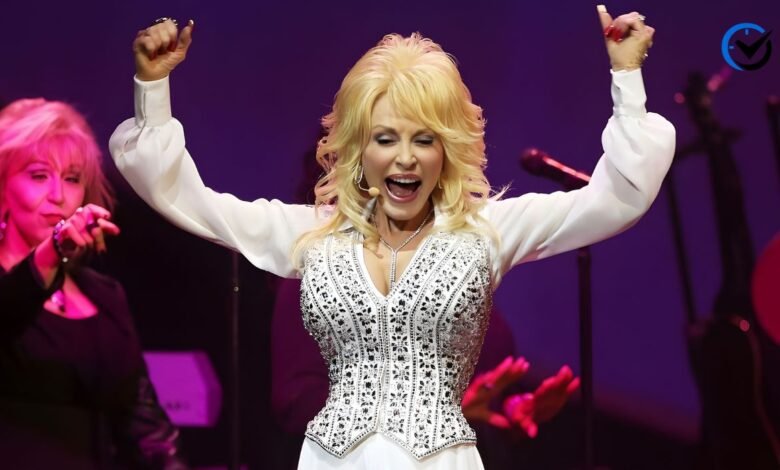
Dolly Parton built one of entertainment’s most extraordinary careers without losing sight of the Tennessee community that shaped her. She rose from a one-room cabin in the Great Smoky Mountains to become a celebrated singer, songwriter, actress, businesswoman, and philanthropist. Her journey combines three remarkable stories: a gifted child who turned family experiences into songs, a determined performer who gained control of her career, and a generous public figure who used her success to help others. Parton died on August 25, 2026, at age 80, but her music, businesses, and literacy work continue to influence millions of people. This biography explores Dolly Parton’s childhood, career, marriage, famous songs, acting work, business achievements, and lasting cultural legacy.
Dolly Parton Quick Bio Table
| Detail | Information |
|---|---|
| Full name | Dolly Rebecca Parton |
| Date of birth | January 19, 1946 |
| Place of birth | Locust Ridge, Tennessee, United States |
| Date of death | August 25, 2026 |
| Age at death | 80 |
| Nationality | American |
| Profession | Singer, songwriter, actress, author, and businesswoman |
| Main music genres | Country, bluegrass, gospel, and pop |
| Parents | Robert Lee Parton Sr. and Avie Lee Owens Parton |
| Siblings | Eleven |
| Husband | Carl Thomas Dean |
| Famous songs | “Jolene,” “9 to 5,” and “I Will Always Love You” |
| Major charity | Dolly Parton’s Imagination Library |
A Humble Childhood in Tennessee
Dolly Rebecca Parton was born on January 19, 1946, in Locust Ridge, a rural community in Sevier County, Tennessee. She was the fourth of 12 children raised by Robert Lee Parton Sr., a farmer and construction worker, and Avie Lee Owens Parton, a homemaker with a strong musical influence. Money was scarce, the family home was small, and daily life demanded resourcefulness, yet Parton later remembered her childhood through the warmth of family, faith, and music rather than hardship alone. The surrounding mountains gave her a strong sense of place, her parents provided material for deeply personal songs, and her large family taught her how stories could connect generations. Those experiences later appeared in compositions such as “Coat of Many Colors” and “My Tennessee Mountain Home,” transforming private memories into universal stories about dignity, love, and belonging. Dolly Parton’s official career timeline confirms that her one-room-cabin upbringing became a foundation of her songwriting.
Faith, Family, and Her First Musical Experiences
Music was woven into Parton’s childhood through church, relatives, and Appalachian traditions. Her mother sang old ballads and encouraged the children’s creativity, while her maternal grandfather, Reverend Jake Owens, was a Pentecostal preacher whose church gave Dolly an early place to perform. An uncle, Bill Owens, recognized that her talent could become more than a family pastime and helped her gain opportunities outside her community. These influences developed three essential parts of her artistry: gospel shaped the emotion in her voice, mountain music supplied vivid characters and melodies, and family storytelling taught her to make a song feel personal. She began composing before she could properly write, using her imagination to preserve ideas until an adult could help record them. The confidence she gained singing before congregations prepared her for radio studios, television cameras, and eventually the Grand Ole Opry.
Starting Her Career as a Child Performer
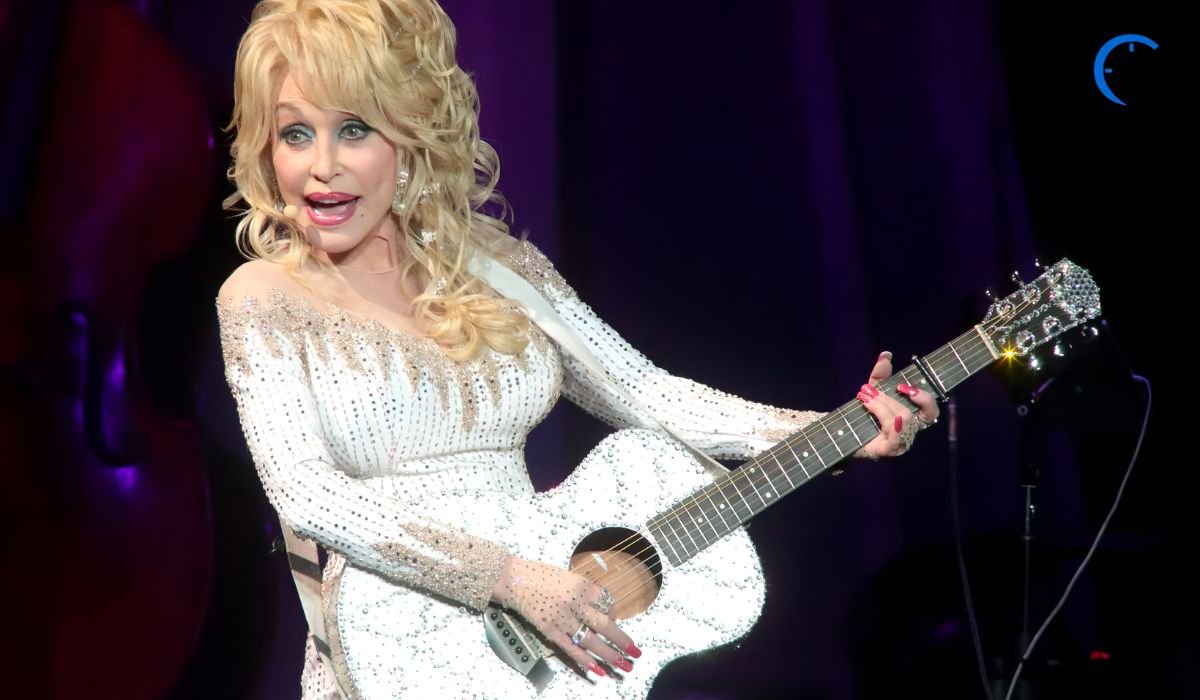
Parton’s professional story began remarkably early. As a child, she appeared on local radio and television programs in East Tennessee, and by age 13 she had recorded “Puppy Love” for Goldband Records. That same year, she performed at the Grand Ole Opry and met Johnny Cash, who reportedly encouraged her to trust her instincts rather than follow every industry opinion. Three developments made this period important: radio taught her how to communicate with listeners she could not see, recording introduced her to the discipline of studio work, and the Opry showed her what a national career might look like. These opportunities did not provide instant fame, but they made Nashville seem attainable. By the time she completed high school, Dolly Parton had already decided that music would not simply be a dream; it would be the work around which she built her life.
Moving to Nashville and Becoming a Songwriter
Parton moved to Nashville in 1964, immediately after graduating from Sevier County High School. Success did not arrive overnight, and record executives initially considered her better suited to pop music than the country sound she wanted to pursue. She nevertheless found valuable work as a songwriter, signing with Combine Publishing and creating material recorded by other performers, including Bill Phillips. This stage strengthened her career in three ways: she learned the commercial structure of Nashville, proved she could write from viewpoints beyond her own life, and established professional relationships before becoming a major recording star. Monument Records eventually released her early recordings, while the success of “Dumb Blonde” helped introduce the witty, independent personality listeners would come to recognize. Her 1967 debut album, Hello, I’m Dolly, announced a young artist who understood traditional country music but already possessed a distinctive narrative voice.
The Porter Wagoner Years and National Recognition
A major turning point came in 1967 when Porter Wagoner invited Parton to join his syndicated television program. Viewers initially resisted her because she replaced popular singer Norma Jean, but repeated appearances allowed audiences to appreciate her humor, voice, and songwriting. The partnership gave Parton national exposure, produced successful duets, and helped her develop the confidence required to lead a stage rather than merely appear on it. Wagoner also supported her recording career with RCA Victor, although their professional relationship eventually became complicated by disagreements about control and independence. Their work together demonstrated how opportunity and limitation can exist at the same time: the show opened doors, the duets built recognition, and the creative tension pushed Parton to define her own future. Instead of remaining permanently identified as Wagoner’s singing partner, she prepared to build a career under her own name.
“Jolene” and a Breakthrough as a Solo Artist
Released in 1973, “Jolene” became one of Dolly Parton’s defining songs because it combined a memorable melody with unusually vulnerable storytelling. Parton said the title came from a young fan, while the emotional idea was inspired by a bank teller who paid friendly attention to Carl Dean. Rather than attacking the other woman, the narrator admits her fear and asks for mercy, giving the song emotional complexity that has helped it survive across generations and genres. Its success revealed three strengths in Parton’s writing: she could create a vivid character with very few words, turn personal insecurity into a universal feeling, and match serious emotion with an instantly recognizable musical pattern. Artists across country, rock, folk, and pop have since interpreted the composition, proving that its appeal reaches far beyond its original arrangement. “Jolene” remains central to searches about Dolly Parton’s songs because it captures her ability to sound direct, vulnerable, and strong simultaneously.
Why “I Will Always Love You” Changed Her Career
Parton wrote “I Will Always Love You” as a farewell to Porter Wagoner when she decided to leave their professional partnership. Released in 1974, the song expressed gratitude without surrendering her need for independence, allowing her to close an important chapter with dignity. It later achieved country-chart success again after she rerecorded it for The Best Little Whorehouse in Texas, while Whitney Houston’s powerful 1992 version introduced the composition to an enormous international audience. The song became important on three levels: personally, it helped Parton communicate a difficult decision; professionally, it confirmed her ownership of valuable publishing rights; culturally, it became a standard that could support very different vocal interpretations. Parton famously retained control of the composition when Elvis Presley’s team reportedly requested a share of its publishing. That decision demonstrated the business judgment behind her friendly public image and preserved one of the most valuable works in her catalog.
Crossover Success and Worldwide Popularity
During the late 1970s, Parton deliberately expanded beyond traditional country audiences. The polished 1977 single “Here You Come Again” crossed onto pop charts, broadened her radio presence, and helped establish her as a nationally recognizable entertainer. She also hosted a television variety show and developed a glamorous visual style that made her immediately identifiable, even to people unfamiliar with country music. Her crossover strategy rested on three careful choices: she adapted her sound without abandoning storytelling, used television to reveal her quick humor, and treated fashion as part of her creative identity. In 1978, she received the Country Music Association’s Entertainer of the Year honor, an achievement that confirmed her position at the center of the industry. Her appeal eventually became global because listeners could appreciate the melodies first, then discover the rural experiences, emotional intelligence, and sharp observations underneath them.
Dolly Parton’s Most Important Songs and Albums
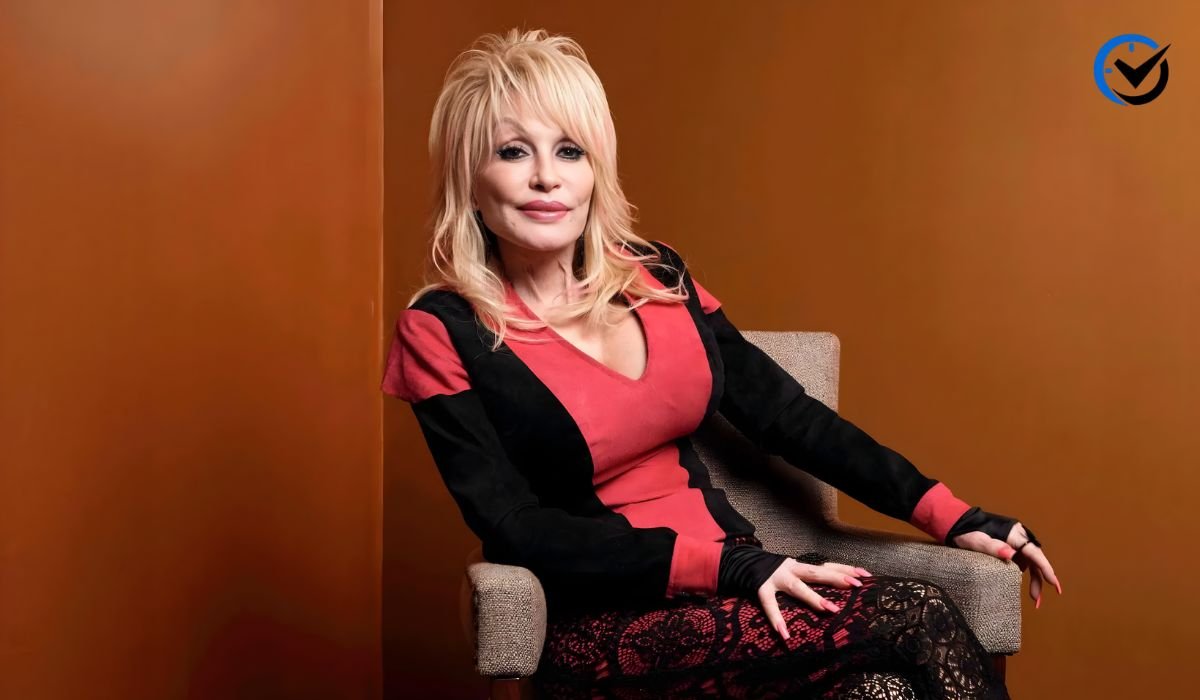
Parton created an extensive catalog covering love, poverty, work, faith, ambition, heartbreak, and home. Several recordings provide an especially useful introduction to her artistry:
- “Coat of Many Colors” presents childhood poverty through a story about maternal love and personal pride.
- “Jolene” turns jealousy into a compassionate plea rather than a conventional confrontation.
- “I Will Always Love You” combines affection, gratitude, and emotional independence.
- “9 to 5” captures the frustration and resilience of working people.
- “Here You Come Again” represents her successful movement into country-pop.
- “My Tennessee Mountain Home” preserves the landscape and values of her upbringing.
Albums such as Coat of Many Colors, Jolene, New Harvest…First Gathering, Trio, The Grass Is Blue, and Rockstar show different sides of her development. Together, these works illustrate three qualities that remained consistent across decades: precise storytelling, emotional accessibility, and a willingness to explore new sounds without concealing her Appalachian roots.
From Country Singer to Hollywood Actress
Parton made an impressive film debut in the 1980 workplace comedy 9 to 5, starring alongside Jane Fonda and Lily Tomlin. Her performance revealed natural comic timing, while the title song became an anthem about unequal treatment, low pay, and the daily pressure faced by office workers. She followed that success with films including The Best Little Whorehouse in Texas, Rhinestone, and Steel Magnolias, demonstrating that her screen presence did not depend solely on her music. Acting expanded her influence in three important directions: film introduced her to viewers outside country audiences, comedy allowed her intelligence to challenge stereotypes about her appearance, and dramatic roles revealed genuine emotional range. Although not every movie became a commercial or critical success, Parton remained memorable because she brought warmth and self-awareness to the screen. Her acting career reinforced the idea that she was a complete entertainer rather than a singer making temporary celebrity appearances.
Marriage to Carl Thomas Dean and Private Life
Dolly Parton met Carl Thomas Dean outside a Nashville laundromat in 1964, shortly after arriving in the city. They married in 1966 and remained together until Dean’s death in March 2025, creating a nearly six-decade marriage that was unusually private for a global celebrity. Dean generally avoided public events and preferred a quiet life, while Parton traveled, performed, and maintained an intensely visible career. Their relationship appeared to work through three shared understandings: they respected each other’s independence, protected their home life from unnecessary attention, and used humor to navigate their contrasting personalities. The couple did not have children, and Parton sometimes reflected that her freedom allowed her to devote energy to other children through her charitable work. Their marriage was not a publicity project; its privacy was one of the reasons it remained separate from the pressures surrounding her public image.
A Smart Businesswoman Behind the Rhinestones
Parton’s songwriting and performance talent were supported by disciplined business decisions. She retained valuable publishing rights, created production companies, invested in projects connected to her identity, and understood that ownership could provide long-term freedom. Her public style—big hair, sparkling clothes, and playful self-description—occasionally caused observers to underestimate her, but she frequently used that assumption to her advantage. Her approach contained three practical lessons: creative people benefit from understanding contracts, a recognizable brand can remain flexible without becoming inconsistent, and financial success becomes more meaningful when it supports a clear purpose. Parton did not reject commercial opportunities; she selected ventures that generally matched her approachable personality and Tennessee heritage. This balance between artistry and ownership helped her maintain control in an industry where performers, especially women, have often lost rights to their most valuable work.
Dollywood and Her Investment in East Tennessee
Dollywood opened under its present name in 1986 after Parton partnered with the Herschend family to transform an existing theme park in Pigeon Forge, Tennessee. The project was commercially ambitious, but it also reflected her desire to create employment and attract visitors to the region where she grew up. Over time, the Dollywood brand expanded to include lodging, entertainment, seasonal events, and other tourism experiences. Its importance can be understood in three ways: it strengthened the economy of East Tennessee, translated Parton’s mountain identity into an accessible visitor experience, and showed that celebrity branding could remain connected to a real community. Rather than treating her birthplace as a background story she had escaped, Parton made it central to her business legacy. Dollywood therefore represents more than an amusement park; it is a long-term investment in local jobs, regional culture, family entertainment, and the landscape that inspired her earliest music.
The Imagination Library and Global Literacy
Parton launched the Imagination Library in 1995 to provide free books to young children in her home county. Her father’s inability to read and write gave the project personal meaning, while its simple delivery model—mailing an age-appropriate book to a child every month—made it practical for families. The program later expanded across the United States, Canada, the United Kingdom, Australia, and the Republic of Ireland, supported by the Dollywood Foundation and local partners. By the end of 2025, it had distributed more than 304 million books since its creation, including over 40 million during that year alone. Its success comes from three connected ideas: books arrive directly at home, participation is not determined by family income, and repeated delivery helps reading become part of childhood routines. The program’s official report documents this scale, while its program overview explains its birth-to-age-five model.
Awards, Honors, and Lasting Industry Influence
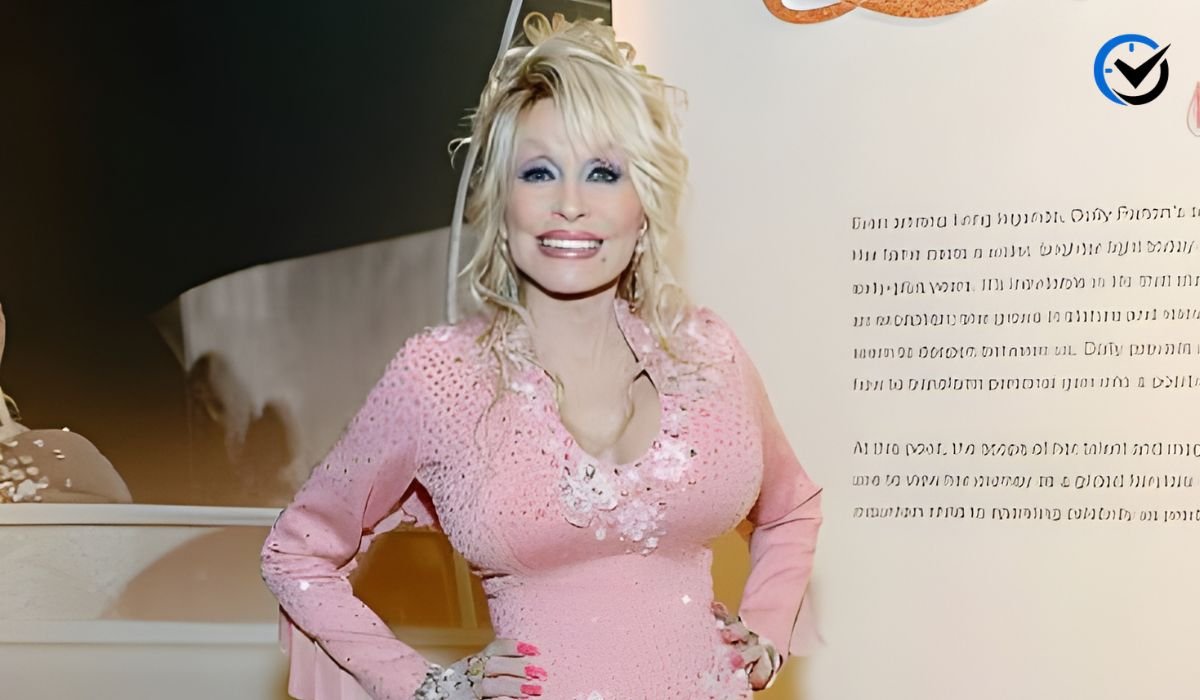
Dolly Parton received recognition across music, film, songwriting, and public service. She entered the Country Music Hall of Fame in 1999, the Songwriters Hall of Fame in 2001, and the Rock & Roll Hall of Fame in 2022, despite initially expressing concern that she had not earned a place in the rock category. Her honors also included Grammy Awards, the Grammy Lifetime Achievement Award, Kennedy Center recognition, and numerous country-music awards. These achievements reflect three different forms of influence: performers admire her distinctive voice, writers study her economical storytelling, and business professionals respect her ability to protect and expand her work. Yet awards alone cannot explain her reach. Songs she wrote decades ago continue to attract new recordings, younger artists regularly cite her as an influence, and her career offers a model for crossing genres without erasing one’s origins. Her official timeline describes a seven-decade career spanning country, pop, bluegrass, film, television, publishing, and philanthropy.
Her Final Years and Enduring Cultural Legacy
Parton remained creatively active well into her later years, releasing books, collaborating with younger performers, supporting community projects, and recording the rock-focused album Rockstar in 2023. She also donated $1 million to COVID-19 research at Vanderbilt University Medical Center, adding medical research to a philanthropic record already associated with literacy and disaster relief. Following Carl Dean’s death in 2025, she continued working while keeping much of her own health struggle private. Parton died in Nashville on August 25, 2026, after a private battle with cancer, prompting tributes to her music, humor, generosity, and Tennessee roots. Her legacy operates on three lasting levels: her songs preserve emotionally precise American stories, her businesses continue supporting communities, and the Imagination Library places books in children’s homes. Dolly Parton became globally admired not because she hid where she came from, but because she carried that history into everything she created.
Final Thoughts
Dolly Parton’s inspiring journey is a story of talent strengthened by discipline and generosity supported by smart decisions. Her Tennessee childhood gave her characters, values, and emotional memories; Nashville tested her independence and business judgment; worldwide fame gave her the resources to create opportunities for others. She could be humorous without becoming shallow, commercially successful without abandoning personal storytelling, and glamorous without pretending that hardship had never shaped her. Classics such as “Jolene,” “9 to 5,” “Coat of Many Colors,” and “I Will Always Love You” ensure her artistic influence will endure, while Dollywood and the Imagination Library extend her impact beyond entertainment. Dolly Parton ultimately demonstrated that a country music career could become something much larger: a platform for ownership, community development, childhood literacy, and human connection.
Frequently Asked Questions About Dolly Parton
1. Where was Dolly Parton born?
Dolly Parton was born in Locust Ridge in Sevier County, Tennessee, on January 19, 1946. She grew up near the Great Smoky Mountains in a large, close-knit family.
2. How many siblings did Dolly Parton have?
She had 11 siblings and was the fourth of 12 children. Several members of the Parton family also pursued music or entertainment careers.
3. What was Dolly Parton’s first famous song?
“Dumb Blonde” became one of her earliest successful solo recordings in 1967. Her national profile grew further through The Porter Wagoner Show and their popular duets.
4. Who inspired the song “Jolene”?
The name reportedly came from a young fan, while the song’s central situation was connected to a bank teller who showed friendly interest in Carl Dean. Parton combined those inspirations into a fictional, emotionally vulnerable story.
5. Did Dolly Parton write “I Will Always Love You”?
Yes, Parton wrote and first released the song in 1974. Whitney Houston later recorded a globally successful version for The Bodyguard.
6. Who was Dolly Parton’s husband?
She married Nashville businessman Carl Thomas Dean in 1966. They remained married until his death in March 2025.
7. Did Dolly Parton have children?
No, Parton and Dean did not have children. She often expressed her love for young people through her extended family and literacy projects.
8. What is Dollywood?
Dollywood is a family theme park in Pigeon Forge, Tennessee, associated with Parton since 1986. It celebrates entertainment, regional culture, craftsmanship, and the Great Smoky Mountains.
9. What is Dolly Parton’s Imagination Library?
It is a book-gifting program that mails free, age-appropriate books to registered children from birth to age five in participating communities. Parton founded it in 1995 in honor of her father.
10. Was Dolly Parton an actress?
Yes, she appeared in popular movies including 9 to 5, Steel Magnolias, and The Best Little Whorehouse in Texas. Her performances were known for humor, warmth, and an engaging screen presence.
11. When did Dolly Parton die?
Dolly Parton died in Nashville on August 25, 2026, at age 80. Her family said she had faced cancer privately.
12. Why is Dolly Parton considered influential?
She combined outstanding songwriting with performance, business ownership, acting, and philanthropy. Her work opened doors for women in country music while her literacy program created a measurable global social impact.
Recommended: TheTechyx.com: How to Find Useful Tech Advice Online





One Comment