
Sparkpressfusion Com Guide: Finding Fresh Ideas for Your Next Creative Project
 Admin
Send an email
2 days ago
Admin
Send an email
2 days ago
Creative ideas rarely appear on command. Writers, designers, video makers, marketers, and independent publishers often need a reliable place to discover new subjects and develop fresh perspectives. Sparkpressfusion Com is best understood as an independent, multi-topic digital magazine that offers articles across several areas of interest. Its broad coverage can make it useful during the early stages of a project, especially when a creator wants inspiration outside a familiar field. This guide explains how to explore the publication thoughtfully, collect useful ideas, and transform general information into original creative work.
The site should be approached as an information and discovery resource rather than a specialized creative application. It does not need to generate a finished concept for the reader to be valuable. An article about technology might inspire a podcast discussion, while a lifestyle feature could suggest a photography theme or newsletter topic. The real benefit comes from how readers interpret, connect, and develop the information they encounter. By browsing with a clear purpose, creators can turn ordinary reading sessions into focused research that supports meaningful projects.
What Readers Can Expect From the Platform
As a multi-topic publication, the platform may present material connected to technology, business, lifestyle, culture, entertainment, education, and other general subjects. This variety gives readers access to different viewpoints without limiting them to one narrow category. However, available sections and publishing activity may change, so visitors should examine the current site directly instead of relying on old descriptions. It is also important to distinguish the publication from similarly named websites. Some pages elsewhere describe comparable names as marketing software, but those descriptions may refer to different domains rather than the independent magazine discussed here.

Why Multi-Topic Reading Can Improve Creativity
Remaining inside one subject can make creative work feel predictable. A fashion writer who only reads fashion articles may repeatedly encounter the same themes, language, and examples. Reading across unrelated fields introduces unfamiliar questions and patterns. An article about sustainable travel could influence a product designer, while a business story could inspire a filmmaker to explore ambition or workplace culture. Sparkpressfusion Com can support this kind of cross-topic discovery because its magazine-style format encourages movement between categories. The goal is not to combine random subjects, but to notice useful connections that a narrower source might not reveal.
Begin With a Clear Creative Question
Before browsing, define the problem your project needs to solve. A vague goal such as “find something interesting” often produces scattered notes and wasted time. A better question might be, “What everyday technology problems frustrate remote workers?” or “How can I present personal growth without repeating familiar advice?” This question gives the reading session direction while leaving room for unexpected discoveries. When you open an article, consider whether it provides a new problem, audience need, emotional angle, example, or visual idea. A clear question turns passive scrolling into active exploration and makes promising material easier to recognize.
Explore Beyond Your Usual Category
Start with the subject closest to your project, but do not remain there for the entire session. After reviewing a few relevant pieces, move into a neighboring or completely different category. A creator preparing educational content might explore technology for useful tools, business for practical case situations, and lifestyle for relatable human experiences. This wider approach helps uncover angles that competitors may overlook. It also makes the final work feel richer because it draws from more than one context. When a surprising connection appears, pause and ask why it feels relevant rather than dismissing it because it came from an unrelated section.
Capture Ideas Without Collecting Everything
Saving every interesting article creates an archive, not a workable idea system. Record only the details that could influence a specific project. For each useful discovery, write a short note describing the central idea, why it matters, who might care, and how it could be adapted. Use your own words instead of copying sentences. A note such as “people want simple ways to control digital distractions” is more flexible than a pasted paragraph because it can become a video, guide, interview, or visual campaign. Review these notes after browsing and remove anything that no longer seems clear, useful, or connected to your goal.
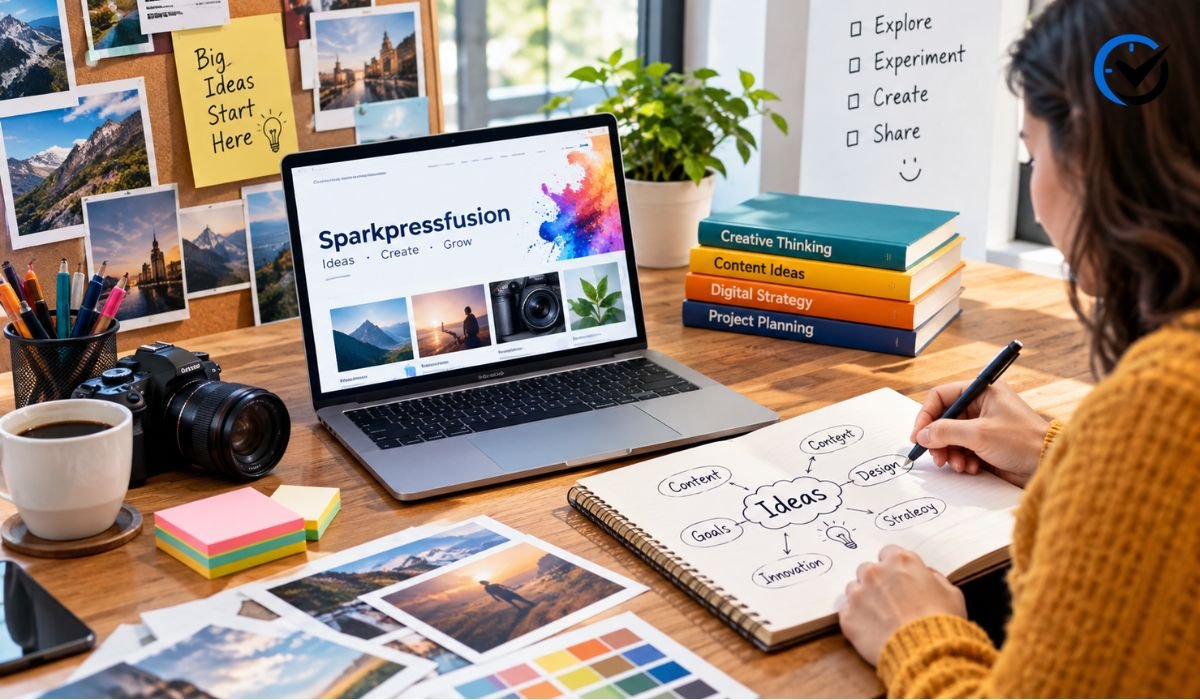
Turn Inspiration Into an Original Angle
Inspiration becomes creative work only after it passes through your own judgment. Begin by identifying the basic subject of an article, then change at least one important dimension. You might address a different audience, examine another location, challenge a common assumption, focus on a practical problem, or present the idea through a new format. For example, a general article about home offices could lead to a photo essay about tiny workspaces or an audio discussion about working across time zones. The source provides a starting point, but your experience, research, and creative choices should determine the final direction.
Evaluate Information Before Depending on It
A polished article is not automatically complete or accurate. Before using a claim, look at its publication date, named author, level of detail, and distinction between fact and opinion. Be especially careful with information involving health, money, law, safety, statistics, or rapidly changing technology. Important details should be confirmed through authoritative materials and current primary information. This does not make a general magazine useless; it simply defines its role. Use it to discover subjects, questions, and possible directions, then verify essential facts separately before presenting them to an audience as reliable information.
Build a Focused Project From Your Notes
Once you have several promising notes, group them by shared purpose rather than by the categories where you found them. You may notice that articles from technology, education, and business all point toward a larger theme such as attention, access, or trust. Select one main idea and identify the audience, intended outcome, format, and unique contribution of your project. Then create a simple structure showing what the audience needs to understand first, what examples will make the idea clear, and what conclusion will be useful. This process converts scattered inspiration into a project that has direction and a recognizable point of view.
Protect Originality and Creative Integrity
Finding inspiration does not mean closely reproducing another writer’s structure, wording, images, or central argument. Ethical creative work separates the broad idea from its original expression. Read the material, record the insight in your own language, and close the page before drafting. Add independent knowledge, firsthand observations, new examples, and a distinct purpose. If a particular fact, concept, or quotation is important to the finished work, acknowledge its true source according to the standards of your chosen format. Originality comes from contributing something meaningful, not merely changing a few words in material someone else created.

Use the Resource as Part of a Wider Routine
No single publication should control an entire creative process. Combine magazine browsing with conversations, books, direct observation, audience feedback, experiments, and specialist materials. You can also create a weekly routine: choose one project question, read across three categories, save a small number of insights, and develop the best one into a rough concept. Limiting each session prevents endless browsing and encourages action. Over time, this practice creates a personal collection of themes and questions. Sparkpressfusion Com works best as one doorway into that wider process, offering prompts that creators can examine, test, and reshape.
Final Thoughts
Sparkpressfusion Com can help creators discover topics and make connections across different areas of everyday life, but its value depends on the reader’s method. The strongest approach is to browse with a clear question, move beyond familiar categories, capture only useful insights, and verify important claims before using them. Creators should treat published articles as starting points rather than ready-made project plans. By combining responsible research with personal experience and original thinking, a general digital magazine can become a practical source of inspiration for articles, videos, designs, podcasts, campaigns, and many other creative projects.
Frequently Asked Questions
1. What is Sparkpressfusion Com?
Sparkpressfusion Com is described as an independent digital publication with content covering multiple topics. Readers may use it to explore general information and discover subjects for further investigation. It is more helpful to view it as a magazine-style content resource than to assume it is specialized creative software. Because online descriptions can vary, visitors should confirm what the current site actually offers.
2. Who may find the platform useful?
The publication may be useful for bloggers, students, social media creators, designers, independent publishers, and anyone planning an information-based project. Its broad subject range is especially helpful to people who need early inspiration rather than highly specialized instruction. Professionals can also use its articles to notice emerging themes, although important decisions should always be supported by stronger, field-specific material.
3. Can it generate a complete creative project?
A content publication normally provides information and inspiration, not a complete project tailored to an individual creator. Readers still need to select an idea, define an audience, conduct additional research, and choose an effective format. The platform can support the discovery stage, but personal judgment and practical development are necessary to transform an interesting topic into worthwhile original work.
4. How can I find useful ideas without wasting time?
Set a specific question and a short browsing limit before you begin. Open only articles that appear connected to the problem, audience, or theme you are exploring. Record a small number of insights in your own words and evaluate them immediately afterward. This focused method prevents random scrolling and leaves you with notes that can be developed into practical concepts.
5. Should I stay within one content category?
Beginning with a relevant category is sensible, but exploring other sections can produce more distinctive ideas. Different subjects often share underlying themes, including identity, convenience, trust, change, and personal choice. Moving across categories helps creators recognize those connections. The resulting project may feel more thoughtful because it combines insights that are not usually presented together.
6. Is every published article suitable for factual research?
Not necessarily. General articles can introduce a topic, but their accuracy, depth, and freshness may vary. Check dates, authorship, context, and the evidence behind important statements. When a project involves serious or fast-changing information, confirm the details through official records, qualified experts, original studies, or other authoritative materials before including them in the finished work.
7. How can I use an article without copying it?
Extract the broader question or problem instead of reproducing the writer’s wording and structure. Develop a different audience, viewpoint, format, example set, or practical purpose. Add your own observations and independent research. If your project relies on a distinctive fact or another person’s original idea, provide proper acknowledgment in the final medium rather than presenting it as your discovery.
8. What creative formats can come from magazine content?
One useful article can inspire many formats, including a blog post, documentary outline, podcast episode, newsletter, infographic, photography concept, workshop, or social video. Choose the format based on the audience and desired result. A complex issue may need a detailed guide, while a visual comparison might work better as a short video or carefully designed graphic.
9. Why do similarly named websites cause confusion?
Small differences in domain spelling can lead to completely separate websites. One site may publish general articles while another claims to offer marketing or publishing tools. Readers should check the exact name, page structure, ownership details, and available functions before accepting a description. Never assume that two platforms belong to the same organization simply because their names look almost identical.
10. How often should creators look for new inspiration?
A regular, limited schedule is usually more productive than continuous browsing. One or two focused sessions each week can provide enough material for many creators. The purpose is to gather a few strong possibilities and then make something from them. If browsing begins replacing planning, drafting, or testing, it is time to stop collecting and begin developing the best idea.
Recommended: Meet Maisie Bourke: Early Life, Parents, and Family Background
Admin
Send an email
2 days ago




One Comment