


Ortis Deley has built one of the most varied careers in British television, moving confidently between children’s programs, consumer shows, technology reporting, radio, acting, and live events. Many viewers recognize him from The Gadget Show, but his broadcasting journey began years before smartphones and connected homes became everyday subjects. His warm screen presence, curiosity, and ability to explain complicated ideas have helped him remain relevant in a fast-changing industry. This guide explores Ortis Deley’s early life, education, breakthrough, major television roles, professional challenges, and wider influence. It also explains how a pharmacy graduate from South London developed the skills needed to become a familiar and trusted media personality.
Ortis Deley Quick Bio
| Detail | Information |
|---|---|
| Full name | Ortis Deley |
| Date of birth | June 2, 1973 |
| Age | 53 years old as of September 2026 |
| Birthplace | Balham, London, England |
| Nationality | British |
| Heritage | Ghanaian and Nigerian |
| Profession | Television presenter, actor, radio DJ, and event host |
| Education | University of Sunderland |
| Degree | Pharmacy |
| Career beginning | Television work during the 1990s |
| Known for | The Gadget Show and Live & Kicking |
| Other notable programs | Short Change, Xchange, and Police Interceptors |
| Children | Two |
Early Life in South London
Ortis Deley was born on June 2, 1973, in Balham, an area of South London, and has Ghanaian and Nigerian family roots. He attended Ernest Bevin College in Tooting, where his early years were shaped far more by education and ordinary city life than by a direct route into entertainment. Growing up in culturally diverse London likely gave him experience communicating with people from different backgrounds, something that later became valuable on television. Although Deley does not share every detail of his childhood publicly, his career reflects a combination of confidence, adaptability, and intellectual curiosity. Those qualities helped him connect first with younger viewers and later with mainstream audiences interested in technology, consumer advice, and entertainment.
Education and His Pharmacy Degree
Before becoming a television presenter, Ortis Deley followed a serious academic path at the University of Sunderland. He studied pharmacy and reportedly graduated in 1995, gaining scientific knowledge that would unexpectedly support his later broadcasting work. A pharmacy degree requires careful research, clear communication, and an ability to understand technical information, all of which are useful when testing products or explaining science on screen. His education also distinguishes his career from the familiar story of someone who trained specifically at drama school or journalism college. Deley ultimately chose media instead of pharmacy, but the degree was not wasted. It gave him a strong analytical foundation and helped prepare him for science and technology programs in which accuracy, curiosity, and accessible explanations were essential.

The Unexpected Start of His Television Journey
Ortis Deley’s route into broadcasting began in an unusual way when he appeared as a contestant on the television dating program Blind Date. During that appearance, entertainment manager Jan Simmonds reportedly noticed his potential, opening a door that his pharmacy studies had never been intended to unlock. Being spotted did not guarantee a lasting career; it simply created an opportunity that Deley then had to develop through auditions, preparation, and practical experience. His early television work included a London Weekend Television pilot called Up Your Street, followed by Passport to Passion. These first assignments allowed him to become comfortable with cameras, scripts, production teams, and unpredictable studio situations. More importantly, they revealed that his friendly personality could hold viewers’ attention without feeling forced.
Finding His Voice on Trouble TV
Deley gained valuable presenting experience at Trouble, a youth-focused cable and satellite channel that gave emerging personalities room to develop. He became an anchor on live programming and worked on shows including It’s in the Jeans, Blast, The T-Spot, and iPop. These formats covered relationships, music, popular culture, and youth entertainment, requiring him to change tone while remaining relatable. Live television also taught him three particularly important skills: responding quickly when plans changed, interviewing guests without losing the program’s rhythm, and speaking naturally under pressure. During this period, he joined the Smash Hits Roadshow, interviewed music acts backstage, and later hosted roadshow events. The experience strengthened his ability to manage enthusiastic crowds, communicate with young audiences, and bring energy to unscripted moments.
Building Trust Through Short Change
A major step in Ortis Deley’s television career came when he joined the BBC children’s consumer program Short Change. Designed as a young audience’s counterpart to traditional consumer-affairs shows, the series explored money, products, advertising, and the problems children could experience as customers. Deley reportedly presented the program from 1999 until its conclusion in 2005, giving him a role that required more than simple entertainment. He had to make practical information understandable, take young viewers seriously, and retain the friendly style expected from children’s television. This combination of education and entertainment became a recurring theme throughout his career. Short Change also prepared him for his later work on technology and shopping programs, where viewers similarly needed honest explanations before deciding how to spend their money.
Becoming a Recognizable CBBC Presenter
After establishing himself on Short Change, Deley became part of the wider CBBC presenting family. His work included Live & Kicking, one of the BBC’s best-known Saturday-morning children’s shows, as well as Xchange, Making It, Why 5, X-perimental, and Best of Friends. Each program called for a slightly different style. A live entertainment show demanded enthusiasm and quick reactions, while a science format required clear demonstrations and credible explanations. A daily magazine program, meanwhile, depended on consistency and the ability to move smoothly between unrelated subjects. Working across those formats prevented him from being limited to one presenting identity. It also introduced him to a generation of British viewers who later followed his career into adult consumer and technology television.
Career Highlights That Expanded His Range
Deley’s professional history includes more than the two programs most often connected with his name. Several assignments helped demonstrate the breadth of his broadcasting and performance abilities:
- He presented youth, music, science, consumer, and entertainment programs across different British channels.
- He hosted a sports program on BBC Radio 5 Live featuring interviews connected with athletes preparing for the 2000 Sydney Olympics.
- He worked as a radio DJ, including a Sunday morning program on London’s Choice FM.
- His acting credits have included appearances in Kidulthood, Doctors, The Bill, and other screen or theater productions.
- He presented factual and specialist programs such as Police Interceptors and contributed to history-related technology content.
- He developed substantial experience as a corporate host, technology speaker, and presenter at live public events.
Together, these roles show a professional willing to move beyond one comfortable category.
Joining The Gadget Show
Ortis Deley joined Channel 5’s The Gadget Show in 2009, making his debut in a road-trip special alongside an established presenting team. The program reviewed consumer technology through tests, challenges, demonstrations, and comparisons rather than relying only on studio conversations. This approach suited Deley because it brought together his scientific education, live-presenting experience, and natural interest in explaining how things work. He could test a product in a demanding environment, discuss its practical value, and keep the segment entertaining for viewers who did not consider themselves technology experts. Although the show’s lineup and format changed over time, he returned in 2014 after an earlier departure and remained one of the personalities closely associated with the brand. That longevity became a defining part of his public career.

Why His Technology Presenting Worked
Successful technology presenting requires a balance between enthusiasm and independence. If a host appears impressed by every new device, viewers may question the value of the review; if the explanation becomes too technical, casual audiences can lose interest. Ortis Deley developed a style based on practical curiosity, focusing on what a product could do, how it behaved during testing, and whether its features mattered in ordinary life. His pharmacy background may have helped him approach technical claims carefully, while his years in children’s television taught him to communicate without unnecessary jargon. He also appeared comfortable taking part in physical challenges and demonstrations, making product testing visually engaging. Those combined abilities allowed him to act as a bridge between manufacturers’ promises and the questions consumers were likely to ask.
Live Events and Audience Engagement
The television version of The Gadget Show led to another important area of Deley’s career: large live technology events. He co-hosted editions of The Gadget Show Live at Birmingham’s National Exhibition Centre, where presenters performed demonstrations and entertainment segments in front of substantial audiences. A speaker profile from Great British Speakers states that these events reached more than 75,000 guests over five days, illustrating the scale of the production. Live event hosting differs from recorded broadcasting because mistakes cannot be edited and audience energy can change without warning. Deley’s earlier experience with roadshows, music events, and live children’s television gave him a useful foundation. He could maintain momentum, work with fellow presenters, and make technology feel exciting inside a large venue rather than a controlled studio.
The 2011 World Athletics Challenge
Not every important chapter in Ortis Deley’s career was an uncomplicated success. In 2011, he was selected to lead Channel 4’s live coverage of the World Athletics Championships in Daegu, South Korea, but was removed from the main presenting role after early broadcasts drew criticism. Reports focused on delivery problems, errors involving colleagues’ names, and a visible dependence on notes. The assignment showed how specialist live sports coverage can place different demands on a presenter, particularly when it involves statistics, rapid updates, expert analysis, and strict broadcast timing. This episode remains part of his professional history, but it did not end his career. His continued work in technology, factual programming, acting, and consumer television demonstrates resilience and the value of returning to formats that better fit a presenter’s established strengths.
Acting, Radio, and Work Beyond Technology
Although presenting is central to Deley’s public identity, he has also explored acting and radio. His screen credits include roles or appearances in Kidulthood, The Bill, Doctors, and Derailed, while his performance experience has extended to theater and audio productions. These projects required a different discipline from presenting because an actor serves a scripted character rather than speaking directly to viewers as himself. Radio added another dimension, removing visual expression and requiring personality to come entirely through voice, timing, and conversation. Deley’s BBC Radio 5 Live work included interviews with British athletes, while his Choice FM role placed him in a more relaxed music-radio setting. This variety helped him avoid dependence on one show and provided creative alternatives during changes in the television industry.
Police Interceptors and Factual Entertainment
Deley further broadened his television profile through Police Interceptors, a Channel 5 factual-entertainment series following specialist police units and road operations. His contributions included presenting special editions, sometimes alongside Rick Edwards, and observing both operational teams and control-room activity. The role required a more measured approach than youth entertainment or gadget challenges because the material involved public safety and real law-enforcement situations. At the same time, the program still needed a presenter who could guide viewers through procedures without overwhelming them with specialist language. Deley’s ability to ask direct questions and summarize technical information made him a logical fit. It also showed that the skills developed in consumer and science television could transfer to factual subjects carrying greater real-world consequences.
Moving Into Consumer-Focused Television
As The Gadget Show evolved, Deley’s work increasingly connected technology with broader consumer decisions. He went on to host Channel 5’s Shop Smart, Save Money, a program focused on products, household spending, comparisons, and practical ways to make better purchasing choices. This move was consistent with the earlier stages of his career rather than a complete reinvention. Short Change had taught young viewers about consumer issues, while The Gadget Show examined whether products delivered meaningful value. The newer format applied similar principles to a wider range of everyday purchases. According to his current NMP Live profile, Deley is known as a host of Shop Smart, Save Money and previously The Gadget Show, reflecting how his public role has shifted while preserving his long-standing connection with accessible consumer information.
The Qualities Behind His Career Longevity
Ortis Deley’s career has lasted because he combines adaptability, preparation, approachability, and a willingness to recover from setbacks. He entered television without a conventional broadcasting degree, yet converted his academic knowledge and natural communication skills into a sustainable profession. He also moved with his audience: children who watched him on CBBC later encountered him as adults on technology, police, and consumer programs. His style is energetic without depending entirely on comedy, informed without appearing distant, and conversational without treating factual subjects casually. Just as importantly, he has accepted roles across television, radio, acting, corporate events, and public speaking. In an industry where one show can disappear quickly, that range has provided professional stability and allowed him to remain visible across several generations of British broadcasting.
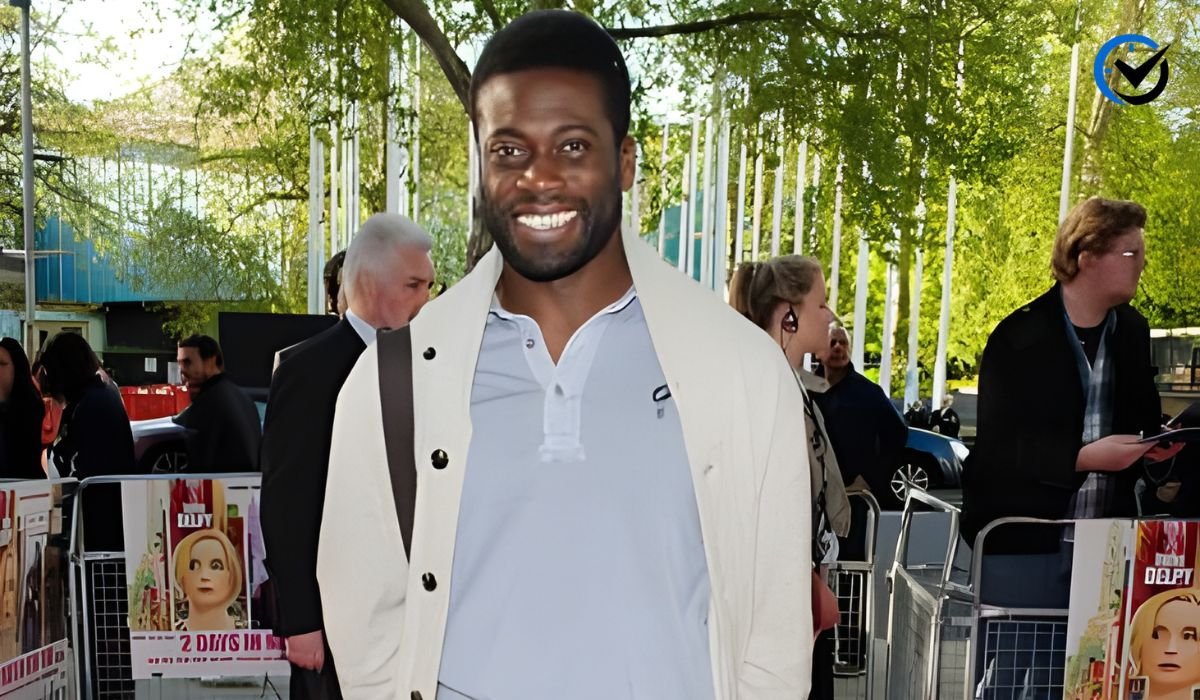
Personal Life and Public Privacy
Deley is understood to be a father of two, but he keeps much of his family life away from public attention. This privacy is worth respecting because his professional achievements can be discussed without speculation about relatives, relationships, or matters he has chosen not to publicize. His social profiles occasionally reflect his identity as a father, yet he has not built his media career around exposing his household to constant coverage. For readers searching for information about an established television personality, the most reliable approach is to separate confirmed public facts from unsupported claims repeated by entertainment sites. What can be stated with confidence is that his public reputation rests mainly on broadcasting, technology communication, acting, and live hosting rather than personal controversy or heavily promoted celebrity relationships.
Ortis Deley’s Place in British Television
Ortis Deley represents a generation of presenters who learned their craft through live youth television and later transferred those skills into specialist factual formats. His career connects several eras: late-1990s cable programming, the height of Saturday-morning children’s television, the rapid expansion of consumer technology, and today’s emphasis on practical buying advice. He also brought visible Ghanaian and Nigerian heritage to mainstream British broadcasting during a period when television was gradually becoming more representative. His most meaningful contribution may be his ability to make information welcoming. Whether discussing children’s consumer rights, testing a device, interviewing an athlete, or introducing a police documentary, he generally approaches viewers as participants rather than outsiders. That accessible quality explains why audiences remember him across programs that otherwise have little in common.
Final Thoughts
The story of Ortis Deley is not simply about becoming famous on one successful television show. It is about turning an unexpected opportunity into a long career through learning, versatility, and steady audience connection. His path began with pharmacy studies, developed through youth broadcasting, and matured through BBC programs, The Gadget Show, factual entertainment, radio, acting, and consumer television. Along the way, he experienced both major opportunities and public setbacks, yet continued building work around his strongest abilities. For longtime viewers, he remains a familiar face from different stages of their lives. For new audiences, the Ortis Deley career story offers a useful example of how specialist knowledge, relatable communication, and professional resilience can support lasting success in broadcasting.
Frequently Asked Questions About Ortis Deley
1. Who is Ortis Deley?
Ortis Deley is a British television presenter, actor, radio DJ, and live event host. He is best known for his work on The Gadget Show and the BBC children’s program Live & Kicking.
2. How old is Ortis Deley?
Ortis Deley was born on June 2, 1973. He is 53 years old as of September 2026.
3. Where was Ortis Deley born?
He was born in Balham, South London, England. He is British and has Ghanaian and Nigerian family heritage.
4. What did Ortis Deley study?
Deley studied pharmacy at the University of Sunderland. He reportedly completed his degree in 1995 before establishing his broadcasting career.
5. How did Ortis Deley become famous?
He gained early recognition through Trouble TV and BBC children’s programs. His appearances on Short Change, Live & Kicking, and The Gadget Show made him familiar to wider audiences.
6. Was Ortis Deley on Blind Date?
Yes, he appeared as a contestant on Blind Date before his presenting career became established. That appearance reportedly led to him being noticed by entertainment manager Jan Simmonds.
7. When did Ortis Deley join The Gadget Show?
Deley first joined The Gadget Show in 2009 and appeared in a road-trip special. He later returned to the program in 2014 after changes to its presenting lineup.
8. What children’s television programs did he present?
His children’s television credits include Short Change, Live & Kicking, Xchange, Why 5, Making It, and Best of Friends. He became one of the recognizable CBBC presenters of his era.
9. Has Ortis Deley worked as an actor?
Yes, Deley has appeared in film, television, theater, and audio productions. His screen credits include Kidulthood, Doctors, The Bill, and Derailed.
10. Was Ortis Deley involved with Police Interceptors?
Yes, he presented special editions of Police Interceptors, including work alongside Rick Edwards. His role involved observing specialist police operations and explaining their work to viewers.
11. Does Ortis Deley have children?
Public biographical information indicates that he has two children. He generally keeps their identities and his wider family life private.
12. What is Ortis Deley doing now?
Recent professional profiles identify him with consumer television, live hosting, public speaking, and media work. His career continues to draw on his experience explaining technology and purchasing decisions in a clear, approachable way.
Recommended: Classroom 15x Guide: Everything You Need to Know Before Playing




One Comment