
Caquis Persimon Explained: From Spanish Orchards to Everyday Eating
 Admin
Send an email
3 days ago
Admin
Send an email
3 days ago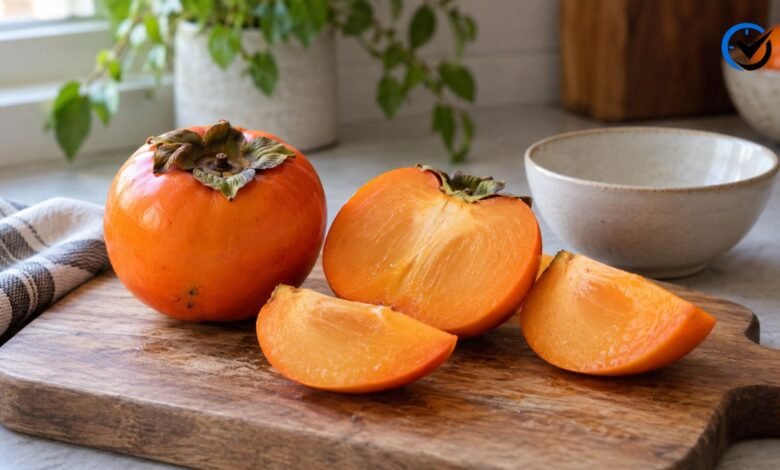
Caquis Persimon are bright orange fruits that have helped change the way many people think about persimmons. Traditional persimmons are often known for becoming very soft before they are pleasant to eat. The Spanish version commonly sold under the Persimon name offers a different experience. It is firm, easy to slice, sweet, and convenient enough for everyday snacking. Behind that simple piece of fruit is a story involving Spanish farming, a special local variety, careful handling, and a protected regional identity centered in Valencia.
What Are Caquis Persimon?
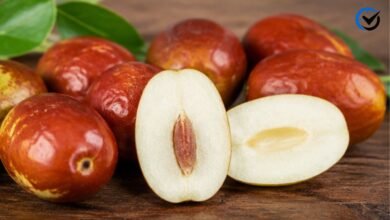
The phrase “caquis Persimon” combines the Spanish plural word for persimmons, “caquis,” with Persimon, a commercial name used for selected Spanish fruit. These persimmons are usually from the Rojo Brillante variety, whose name means “Bright Red.” Despite that translation, ripe fruit normally has a deep orange or reddish-orange appearance. Its flesh is smooth, juicy, and firm enough to bite like an apple. This makes it different from the soft, spoonable persimmons that many shoppers may have tried before.
Persimon Is More Than a General Fruit Name
Persimon, written with one “m,” should not be treated as another spelling for every persimmon. It is a registered name associated with certified Rojo Brillante fruit from the Ribera del Xúquer area of Valencia, Spain. Ordinary persimmon is the wider fruit category, while Persimon identifies fruit produced and prepared under specific requirements. Similar-looking persimmons may be grown elsewhere, but they do not automatically have the same protected origin or commercial identity. Checking the package label helps buyers understand exactly what they are purchasing.
The Spanish Region Behind the Fruit
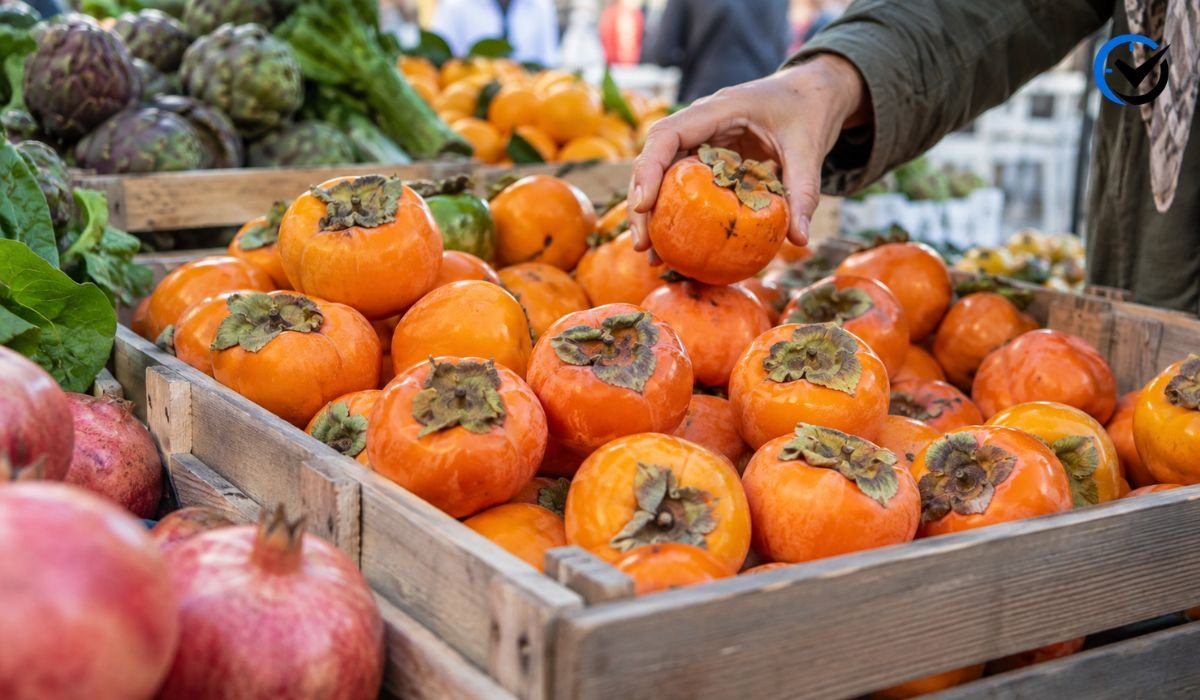
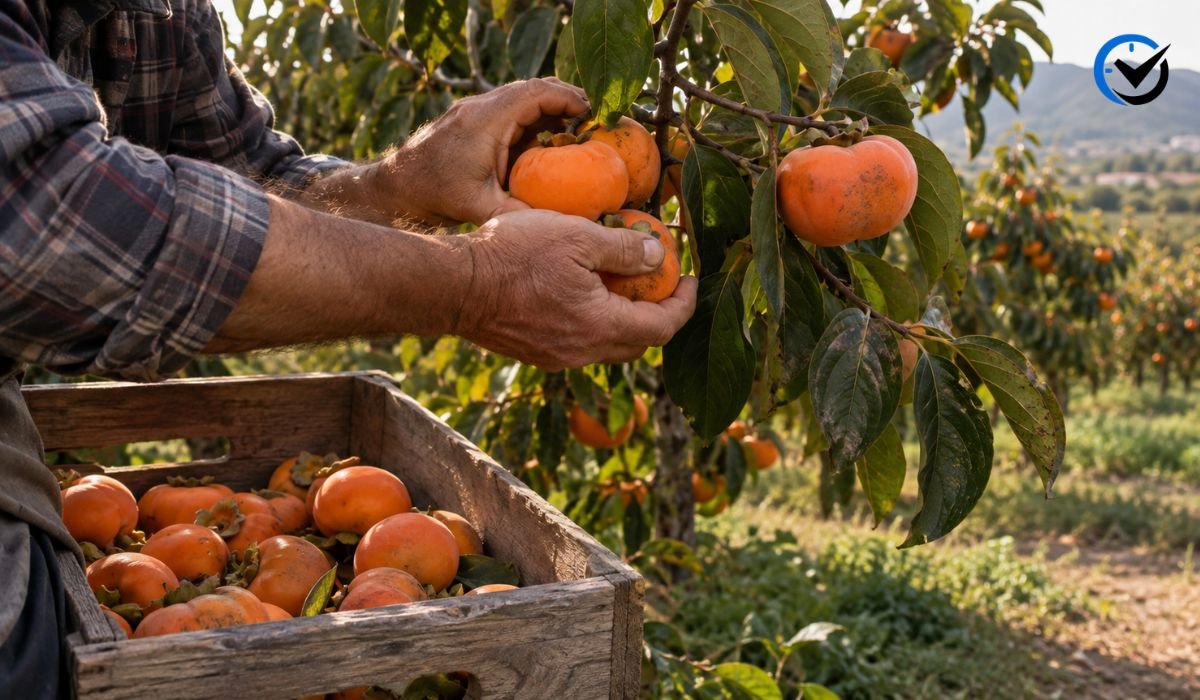
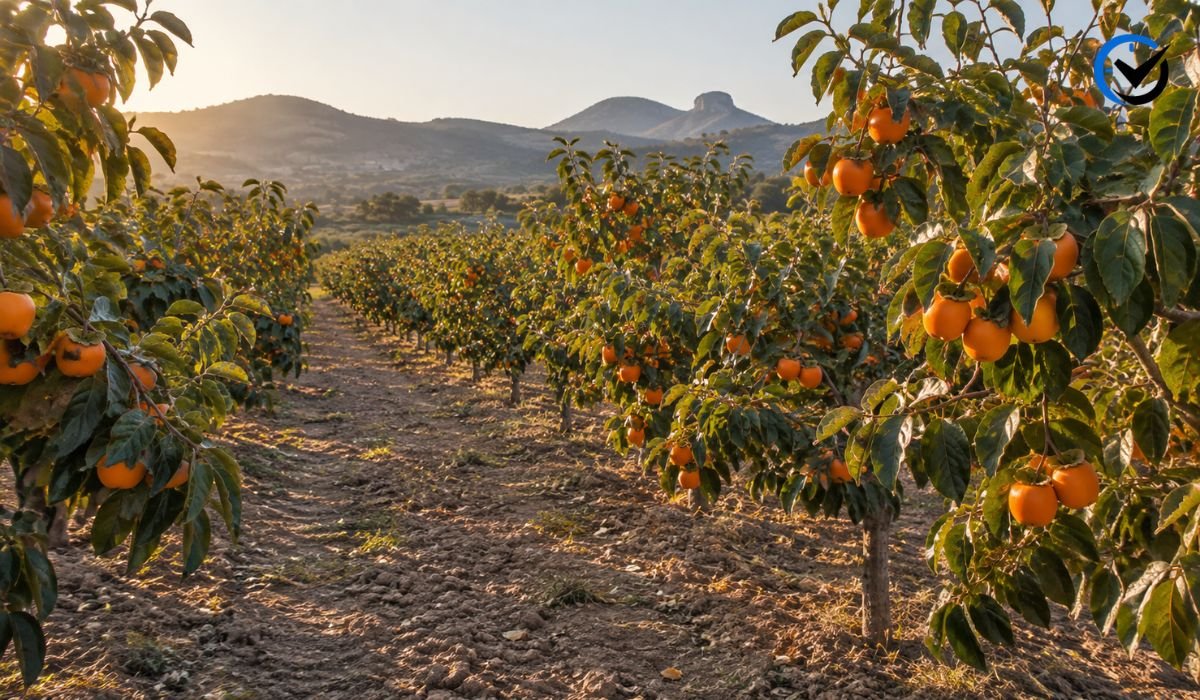
The best-known home of this fruit is Ribera del Xúquer, an agricultural area surrounding the Xúquer River in the province of Valencia. Fertile soils, irrigation water, mild winters, and warm growing conditions make the area well suited to persimmon trees. The river is called Júcar in Spanish and Xúquer in Valencian, which explains why both spellings may appear in international material. Orchards are spread across numerous local communities, where fruit growing supports farms, packing facilities, seasonal employment, and export businesses.
How Rojo Brillante Became a Local Specialty
Persimmon trees originated in Asia and reached Western Europe much later, with cultivation developing in Spain during the nineteenth century. Rojo Brillante emerged in the Valencian town of Carlet and gradually attracted attention because of its large fruit, rich color, and appealing sweetness. Farmers expanded commercial plantings during the twentieth century as they learned how well the variety responded to local soil and weather. Its natural quality was promising, but one challenge remained: an unripe Rojo Brillante could leave an unpleasant dry feeling in the mouth.
Why Some Persimmons Taste Astringent
Astringency is the rough, drying sensation caused by soluble tannins in certain fruits. It can make the mouth feel temporarily dry even when the persimmon looks colorful and inviting. In the traditional approach, an astringent persimmon is left to become extremely soft so that its tannins are no longer strongly perceived. At that stage, the flesh becomes sweet and almost jelly-like. Rojo Brillante can be enjoyed this way, but producers developed another controlled method that removes noticeable astringency while preserving a firm texture.
How the Firm Texture Is Preserved
After harvesting, selected fruit can be placed in controlled chambers with a high concentration of carbon dioxide. This process changes how the soluble tannins behave without requiring the fruit to become mushy. It does not turn the persimmon into a different variety or artificially add sweetness. Instead, it allows the naturally sweet flesh to remain firm while removing the strong drying effect. The result is easier to transport, display, slice, and eat, which helped Spanish persimmons reach consumers who preferred crisp fruit over very soft fruit.
Protected Origin and Quality Control
Certified fruit from Ribera del Xúquer may carry the Protected Designation of Origin name Kaki Ribera del Xúquer. This European protection connects the product with its recognized growing area and production standards. Approved orchards and packing operations must follow established rules covering origin, variety, handling, quality, and labeling. The protection does not mean every fruit will be visually perfect, since harmless skin marks can occur naturally. It does, however, give shoppers a clearer way to identify a product whose location and production process have been independently controlled.
Flavor, Texture, and Appearance
A good Persimon fruit has smooth orange skin and dense flesh that can range from crisp to tender, depending on its maturity. Its flavor is gently sweet, with notes that some people compare to honey, peach, apricot, or vanilla. It is generally milder than a very soft, fully ripened persimmon. Inside, it is usually easy to cut and may be seedless, although natural variation is possible. The leafy top, known as the calyx, remains attached and should look reasonably fresh rather than badly dried or damaged.
How to Choose a Good Persimon
Look for fruit that is mainly orange, feels firm but not rock-hard, and appears heavy for its size. A small green area near the leafy top can be normal early in the season, provided most of the skin has developed a healthy orange color. Avoid fruit with leaking flesh, large sunken spots, mold, or serious breaks in the skin. Light surface marks are often cosmetic and do not necessarily affect taste. If buying packaged fruit, examine the lower pieces because moisture or damage may be less visible there.
The Best Ways to Eat It
Wash the fruit under cool running water and remove the leafy top before serving. The skin is edible, so peeling is a matter of personal preference rather than a requirement. It can be bitten whole, cut into wedges, sliced into salads, or diced into yogurt and oatmeal. Its firm texture also works well on cheese boards and in lunch boxes. Pairing it with nuts, mild cheese, leafy greens, citrus, cinnamon, or plain yogurt can balance its sweetness without hiding its delicate natural flavor.
Cooking and Recipe Uses
Firm Spanish persimmons are useful in both sweet and savory dishes. Thin slices can be added to toast, grain bowls, winter salads, or sandwiches, while small cubes bring color to fresh salsa. The fruit can also be blended into smoothies or cooked into sauces, chutneys, cakes, and preserves. Heat softens the flesh and concentrates its sweetness, so recipes may need less added sugar. When substituting it for another fruit, remember that its moisture level and texture differ from those of apples, pears, and fully soft persimmons.
Nutritional Value and Balanced Eating
Persimmons provide natural carbohydrates, dietary fiber, and useful micronutrients, including vitamin C and compounds that contribute to their orange color. They are naturally low in fat and salt when eaten fresh. Fiber can support normal digestion, while fruit can help add variety to a balanced diet. However, one food should not be presented as a cure or miracle ingredient. Portion needs differ between people, and anyone managing blood sugar, digestive sensitivity, or a medically restricted diet should consider the fruit within their overall eating plan.
Storage and Handling at Home
Firm fruit can usually be kept in a cool, dry place for a short period, away from direct sunlight and heat. If it begins to soften faster than desired, refrigeration can slow further changes, though extended cold storage may affect eating quality. Keep damaged fruit separate because broken skin encourages faster spoilage. Cut pieces should be covered, refrigerated, and eaten promptly. For longer storage, peeled wedges or purée may be frozen for later cooking or blending, although thawed fruit will not retain the same crisp texture.
Seasonality and International Availability
The main Spanish season generally runs through the cooler months, with availability often beginning in autumn and continuing into winter. Exact timing changes with weather, harvest conditions, export destinations, and annual quality decisions. This seasonal window explains why the fruit may suddenly appear in supermarkets and then disappear several months later. Imported fruit should still arrive in good condition because the firm format tolerates handling better than an extremely soft persimmon. Buying during the normal season usually offers better flavor, selection, and value.
Sustainability and Orchard Challenges
Persimmon orchards are long-term agricultural systems, but fruit production still requires water, energy, plant care, packaging, and transportation. Responsible farms can improve efficiency through careful irrigation, soil management, monitoring of pests, and reduced waste during sorting. Shoppers can also help by choosing fruit they will actually eat and using slightly marked pieces in smoothies or cooked dishes. Climate shifts, floods, drought, pests, and changing temperatures can affect harvest size, so sustainable production involves adapting orchards while protecting the land that supports them.
Common Name Confusion
Several labels may appear around this fruit, including caqui, kaki, persimmon, Spanish persimmon, Rojo Brillante, and Kaki Ribera del Xúquer. They are related, but they are not perfect synonyms. Caqui and kaki are common names for the fruit, Rojo Brillante is the variety, and Ribera del Xúquer is the protected geographical identity. Persimon is the branded name connected with certified firm fruit. “Sharon fruit” is another commercial type associated with a different variety and origin, so it should not be assumed to be the same product.
Why It Became Popular Outside Spain
The fruit solves several practical problems that once limited persimmons in international markets. It can be eaten while firm, carried without a spoon, sliced cleanly, and stored more easily than a very soft variety. Its color also makes it attractive in store displays and seasonal dishes. Most importantly, the treatment of astringency gives new consumers a more predictable first experience. A person who dislikes the mouth-drying taste of an unready persimmon may find the properly prepared Spanish fruit far more approachable and convenient.
Final Thoughts
Caquis Persimon represent a successful meeting of local farming knowledge and modern produce handling. The fruit begins with Rojo Brillante trees rooted in Valencia’s Ribera del Xúquer landscape, then passes through controlled harvesting, quality checks, and a process that makes firm eating possible. For consumers, the result is refreshingly simple: a sweet orange fruit that can be washed, sliced, and enjoyed without waiting for it to become extremely soft. Understanding its name, origin, season, and handling makes choosing and using it much easier.
Frequently Asked Questions (FAQs)
1. Are Caquis Persimon the same as ordinary persimmons?
They belong to the persimmon family, but the name has a more specific meaning. Persimon generally identifies certified Rojo Brillante fruit from Ribera del Xúquer that has been prepared to remain firm without noticeable astringency. Ordinary persimmons include many other varieties, growing regions, textures, and commercial names. Some must become very soft before eating, while naturally non-astringent varieties may be eaten firm. The label therefore tells buyers more than the general word “persimmon” alone.
2. Why is Persimon spelled with one “m”?
The one-m spelling distinguishes the registered commercial identity from “persimmon,” the standard English name for the wider fruit category. It helps connect approved fruit with its Spanish origin, quality controls, and firm eating style. Shoppers and retailers sometimes use the spellings loosely, so packaging is more reliable than an informal store sign. A genuine label may also display the protected Kaki Ribera del Xúquer name, allowing customers to recognize certified fruit more confidently.
3. Can the skin be eaten?
Yes. The thin orange skin is edible after the fruit has been washed properly. Some people enjoy the slight contrast between the skin and sweet flesh, while others peel it because they prefer a softer mouthfeel. Peeling does not make the fruit safer under normal circumstances, provided it has been handled and washed correctly. Remove the leafy calyx and any damaged section before eating. A small kitchen knife or vegetable peeler can be used if peeling is preferred.
4. Does the fruit need to become soft before eating?
A certified Persimon is intended to be eaten while firm, so there is no need to wait for the jelly-like stage associated with traditional astringent persimmons. It may soften somewhat as it ages, and this can make it sweeter or more tender. However, leaving it too long can reduce its freshness and quality. If an unlabeled persimmon produces a strong drying sensation, stop eating it and allow it to ripen further because it may not have received the same preparation.
5. Does Persimon fruit contain seeds?
Many pieces sold commercially appear seedless, but seed formation can vary with growing and pollination conditions. It is sensible to cut unfamiliar fruit carefully rather than assuming that every piece has no seeds. The presence of a seed does not automatically indicate poor quality or make the fruit unsafe. Simply remove it before eating. Commercial grading focuses on factors such as origin, variety, maturity, condition, and appearance rather than promising that every fruit will always be completely seedless.
6. What causes the dry feeling from some persimmons?
The sensation comes from soluble tannins interacting with proteins in the mouth. These tannins create a temporary rough or dry feeling known as astringency. As a traditional persimmon becomes extremely ripe, the tannins become less noticeable. For firm Rojo Brillante fruit, producers use controlled conditions after harvest to reduce the perceived astringency without making the flesh soft. This is why properly prepared fruit can remain crisp yet taste smooth and sweet rather than chalky or drying.
7. How can I tell whether it is ripe?
A ready-to-eat fruit should be mostly orange and free from major damage. Firmness is normal and should not be confused with immaturity when the product carries the proper Persimon identification. Early in the harvest season, a little green coloring near the calyx may remain even when the rest is ready. Fruit that is mainly green needs more time. Avoid pieces with leaks, mold, fermented odors, or deeply collapsed areas, as these signs suggest damage or advanced spoilage.
8. Is Persimon healthier than other fruit?
It is nutritious, but there is no useful reason to rank it as universally healthier than apples, oranges, berries, or other fruits. Each offers a different mix of fiber, vitamins, natural sugars, water, and plant compounds. Persimmons can contribute valuable variety, particularly during their autumn and winter season. Their benefits are strongest as part of a balanced eating pattern. Individual serving choices should reflect personal energy needs, medical advice, and the other foods eaten throughout the day.
9. Can Caquis Persimon be used in savory meals?
Yes. Their gentle sweetness works especially well with salty, tangy, earthy, and mildly bitter ingredients. Slices can be combined with arugula, spinach, nuts, goat cheese, cured meat, roasted vegetables, or grains. Diced fruit can be mixed with onion, herbs, lime, and mild chili for a colorful salsa. Because the flesh holds its shape, it is easier to use in composed dishes than a soft persimmon. Add it near serving time when you want to preserve its fresh texture.
10. What should buyers look for on the label?
Look for the name Persimon with one “m,” the Rojo Brillante variety when stated, and the protected Kaki Ribera del Xúquer origin. Certification marks and producer information offer stronger evidence than color or shape alone, since other persimmons can look similar. The package should be intact, and the fruit should appear fresh and mostly orange. These details help distinguish certified Spanish produce from a general persimmon marketed with informal wording that may not carry the same geographical guarantees.
Recommended: Sankkucomplex Guide: Discover the Platform Behind Productivity and Creativity
Admin
Send an email
3 days ago

One Comment