
Sankkucomplex Guide: Discover the Platform Behind Productivity and Creativity

Sankkucomplex is a term that may appear in search results when people are trying to find information about Sankaku Complex. Despite the wording of the title, it is important to clarify that this is not a traditional productivity platform. It does not provide project boards, business calendars, workplace communication, or task-management tools. Sankaku Complex is mainly an online entertainment network centered on anime, manga, Japanese popular culture, illustrations, and community-organized media. Some sections also contain mature material, making age awareness and careful browsing essential.
The platform attracts artists, collectors, anime fans, and people looking for highly specific visual content. Its large archive, detailed tagging system, and discovery features can support creative research, but they should not be confused with professional design or productivity software. Users may study artistic styles, find character references, follow entertainment topics, or organize personal collections. This guide explains what the service is, how its main features work, why it appeals to certain communities, and what visitors should consider before creating an account or viewing its content.
What Is Sankkucomplex?
The name Sankkucomplex is most likely a misspelling, shortened variation, or search interpretation of Sankaku Complex. “Sankaku” is a Japanese word commonly translated as “triangle,” while the complete brand name identifies a network of connected websites and mobile services. The platform combines Japanese entertainment news with large databases of user-discovered images, videos, manga-related material, and tags. Rather than presenting one simple homepage with a single function, it operates more like an entertainment network with several areas designed for different types of browsing.
Understanding the Platform’s Main Purpose
Sankaku Complex is primarily built for media discovery and fandom-based exploration. Visitors use it to browse anime illustrations, game artwork, character images, short animations, and other forms of Japanese-inspired visual culture. Its purpose is closer to that of a specialized media archive than a conventional social network. Users can search by tags, open individual posts, explore related content, and sometimes interact through ratings, favorites, or comments. Availability can depend on the user’s account, region, device, chosen settings, and the content rating assigned to each post.
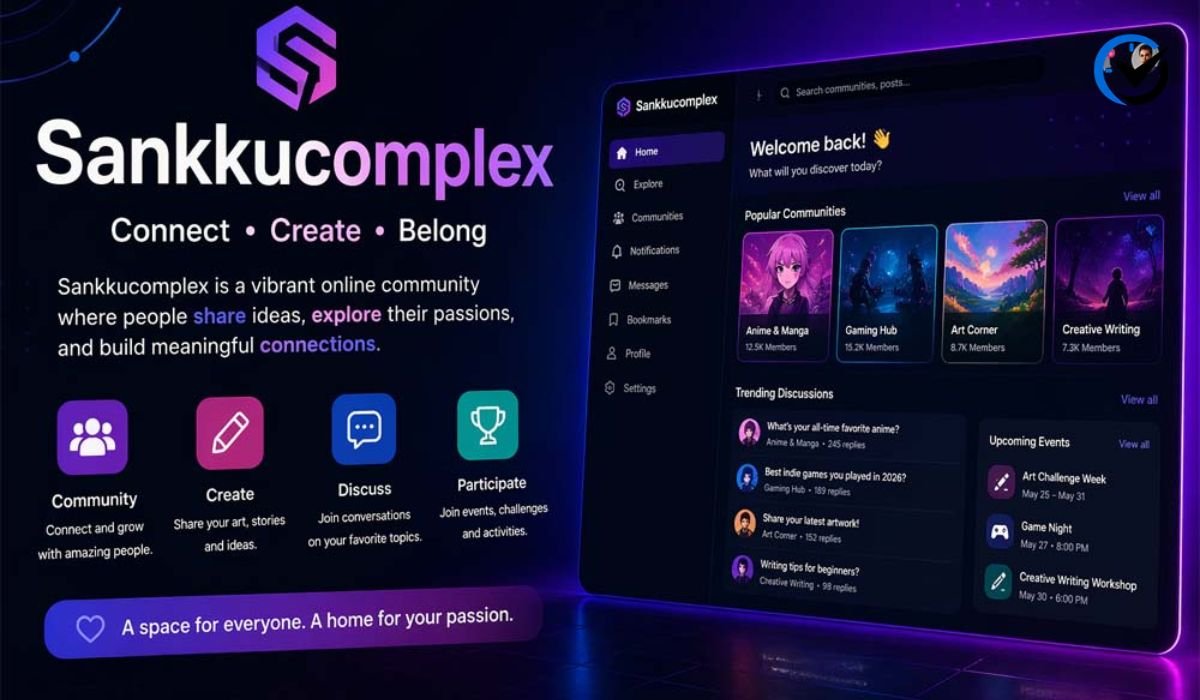
The Difference Between Its News and Archive Sections
One reason newcomers find the service confusing is that its sections do not all work in the same way. The main editorial area has historically focused on anime, manga, video games, entertainment news, and topics from Japanese online culture. Other parts function as searchable image databases where posts are categorized through detailed labels. This distinction matters because someone expecting ordinary articles may instead reach a media gallery, while a person looking for artwork may land on a news page. Understanding the section being visited helps users interpret the layout and content correctly.
Why It Is Associated With Creativity
The platform can influence creativity because it gives users access to a broad range of visual styles, character designs, poses, color choices, and artistic themes. Illustrators may browse public or suitably rated material for general inspiration, while anime fans may use tags to compare how a character appears across different works. However, viewing an image does not grant permission to copy, modify, publish, or sell it. Creative research should involve studying techniques and building original ideas, not reproducing another artist’s protected work without consent.
Is It Really a Productivity Tool?
Calling Sankkucomplex a productivity platform can create the wrong impression. It does not appear to offer the standard features people expect from services such as task lists, shared documents, team dashboards, time tracking, or project planning. Any productivity value comes from the way an individual uses its search, filtering, favorites, and collection features. For example, a creator might gather visual references for a personal mood board or research particular design patterns. That is a personal workflow, however, rather than evidence that the service was designed as professional productivity software.
How Search and Tagging Support Discovery
Detailed tagging is one of the platform’s most recognizable functions. A post may be labeled by character, series, creator, visual feature, clothing, activity, or media type. Combining tags can narrow a broad archive into a smaller and more useful group of results. Negative filters may also help remove unwanted categories when supported. The quality of a search still depends on how accurately contributors label material. Misspelled, incomplete, disputed, or inconsistent tags can lead to missing or unexpected results, so users should treat the system as community-organized rather than perfectly authoritative.
Browsing, Favorites, and Personal Organization
Registered users may have access to options that make repeated browsing more organized, including saved items, favorites, viewing preferences, and account-based filters. These functions can reduce the need to search for the same post repeatedly. They may also help someone build a personal reference collection around a character, franchise, or artistic subject. Users should still avoid treating online access as permanent storage. Posts may be removed, account rules may change, and service availability can shift. Important lawful materials should be organized through reliable methods while respecting ownership and platform policies.
Mobile Access and the App Experience
Mobile access can make the service easier to browse, but the experience may differ from the desktop website. Screen size, operating-system rules, regional availability, account status, and app-store policies can affect which features or content categories are visible. Users should confirm that an application is official before signing in, especially when downloading software outside a recognized store. It is also sensible to review permissions before allowing access to photos, notifications, storage, or other device functions. An entertainment application rarely needs unlimited access to unrelated personal information.
Mature Content and Age-Appropriate Use
A major point often missing from broad descriptions is that parts of the network contain explicit or otherwise mature material. Some content may be inappropriate for minors, workplaces, classrooms, or shared devices. Adults who choose to visit should check rating controls before browsing and should not assume every result will be safe simply because the initial search concerns anime. Parents and guardians may need device-level restrictions because website filters alone are not always enough. Local laws, age requirements, and workplace policies should always take priority over casual access.
Privacy and Account Security
Anyone opening an account should use a unique password that is not shared with email, banking, social media, or other important services. If additional sign-in protection is offered, enabling it can reduce the risk of unauthorized access. Users should also examine what information appears publicly through profiles, favorites, comments, or activity history. A nickname does not guarantee anonymity when it is connected to a reused profile image or username. Browser history, synchronized devices, email notifications, and payment records can also reveal activity, so privacy requires more than changing an account display name.
Community Participation and Responsible Conduct
Comments and community tools can make a media archive feel active, but they can also expose visitors to offensive language, arguments, spam, or poorly supported claims. Users should avoid sharing personal details, responding to harassment, or treating anonymous comments as reliable information. Reporting and blocking controls are useful when available, although moderation quality can vary between online communities. Respectful participation means discussing art or entertainment without targeting creators, performers, or other users. It also means avoiding the upload or distribution of unlawful, exploitative, private, or nonconsensual material.
Copyright, Attribution, and Ethical Use
A large searchable archive may contain work created by many different artists, studios, publishers, and independent contributors. Its presence on the platform does not automatically place it in the public domain. Before reposting an image, a user should identify the original creator, check the creator’s rules, and determine whether permission is required. Commercial use demands even greater care. Removing a watermark or credit does not remove ownership. Ethical users treat archives as discovery tools, follow takedown policies, and support original releases whenever lawful official access is available.
Costs, Subscriptions, and Feature Limits
Some parts of the platform may be accessible without payment, while advanced viewing, higher limits, fewer restrictions, or other benefits may be tied to an account or paid plan. Exact offers can change, so users should read the current checkout page rather than rely on an old guide or screenshot. Before subscribing, it is wise to check the billing period, renewal setting, cancellation method, refund terms, and currency. People should also confirm which features are genuinely included. A paid tier may improve convenience, but it does not necessarily provide ownership rights over archived media.
Common Problems and Practical Troubleshooting
Slow loading, missing thumbnails, unsuccessful sign-ins, and limited results can have several causes. The service may be experiencing temporary technical trouble, a browser extension may be blocking required scripts, or an account setting may be filtering content. Clearing only the relevant site data, updating the browser, checking rating preferences, and testing a normal connection can help identify the issue. Users should be careful with unofficial extensions that request broad access to browsing activity. If a password-reset message arrives unexpectedly, it is safer to open the known service directly instead of using the message link.
Who May Find the Platform Useful?
The service may interest adult anime fans, digital-art followers, media researchers, collectors, and creators who understand the limits of reference-based browsing. People who enjoy precise tag searches may appreciate its depth more than visitors who prefer a simple curated feed. It is less suitable for children, professional teams seeking work-management software, or anyone uncomfortable with unpredictable mature material. A good decision depends on purpose. If the goal is collaborative planning, another tool is more appropriate. If the goal is specialized anime-media discovery, its archive may be relevant when used carefully.

How to Evaluate It Before Using It
New users should begin by confirming that they have reached the intended platform and not an imitation page. They should review the visible content controls, privacy terms, account requirements, payment conditions, and community rules before sharing information. It is helpful to browse cautiously without subscribing immediately, since this reveals whether the interface and archive match the person’s needs. Users should also compare the platform with official publisher pages, artist portfolios, and moderated creative communities. A large collection is useful only when its content standards, safety controls, and overall environment fit the visitor.
Final Thoughts
Sankkucomplex should be understood as a likely spelling variation connected to Sankaku Complex, not as a newly established productivity suite. The actual network is best known for anime and Japanese entertainment content, searchable visual archives, detailed tagging, and community features. Those tools can contribute to creative discovery and personal organization, but the platform also requires caution because of mature material, copyright concerns, privacy risks, and changing access rules. Adults who choose to use it should verify the destination, adjust filters, protect account details, respect creators, and understand exactly what a subscription provides.
Frequently Asked Questions
1. What does Sankkucomplex mean?
Sankkucomplex generally appears to be an alternative spelling or typing variation of Sankaku Complex rather than the official name of a separate productivity service. People may encounter it in loosely written blog posts, social discussions, or automatically generated results. Because similar spellings can lead to unrelated or unsafe pages, users should verify the brand name and destination carefully. The recognized platform is associated with Japanese entertainment, anime-related media, image discovery, and community-organized archives rather than workplace planning.
2. Is Sankkucomplex a productivity platform?
Not in the usual sense. It does not primarily compete with task managers, calendar applications, shared workspaces, or business collaboration systems. Its search tools, tags, filters, and saved items can help an individual organize creative research, which may improve a personal workflow. That does not make it a dedicated productivity product. Anyone who needs deadlines, team assignments, document collaboration, or progress reporting should choose software specifically designed for those jobs.
3. Can artists use it for creative inspiration?
Adult artists may use appropriately rated material to observe color combinations, visual themes, character-design trends, and different illustration approaches. The most responsible method is to study broad ideas and then create an independent result. Copying a composition closely, tracing artwork, removing signatures, or using protected images commercially may violate a creator’s rights. Inspiration works best when it comes from several lawful sources and is transformed through the artist’s own knowledge, choices, and experience.
4. Does the platform contain adult content?
Yes, parts of the wider network are known to include explicit and mature content. A harmless tag or anime-related query may still lead to material that is unsuitable for younger users or public environments. Adults should review filters and content ratings before browsing, but no filter should be assumed to work perfectly. Minors should not access age-restricted areas, and parents should consider browser, account, and device controls when managing online access.
5. Is an account required to browse?
Some public material may be visible without signing in, while certain content ratings, personalization tools, saved items, or usage levels may require an account. Access rules can vary between sections and can change as the service develops. Visitors should read the current on-screen requirements and avoid giving unnecessary personal information. If registration is required, a unique password and a private email setup can help protect the rest of the user’s digital identity.
6. Is Sankaku Complex free to use?
The network may provide a mixture of free access and paid options. Free visitors can face viewing restrictions, feature limits, advertisements, or reduced convenience, while subscriptions may unlock additional functions. Pricing and plan details can change over time and may differ by device or region. Before paying, users should confirm renewal terms, cancellation steps, taxes, currency conversion, and the exact benefits included. Screenshots or older third-party descriptions may no longer reflect the current offer.
7. Are images on the platform free to reuse?
No. Being able to view or save an image does not mean the image is free for publication, editing, advertising, or resale. Rights may belong to an illustrator, photographer, studio, publisher, performer, or another party. Users should locate the original source and review its permission terms before reuse. When ownership is uncertain, the safest choice is not to republish the material. Giving credit is respectful, but credit alone does not replace legal permission.
8. How can users avoid unwanted material?
Users should review content-rating controls, apply specific tags, exclude unwanted categories when filtering is available, and avoid browsing on shared devices. Device-level parental controls and safe-browsing settings provide another layer of protection, particularly in homes with minors. No technical filter can promise perfect results in a large community-managed archive. People who need a fully work-safe or child-safe experience should select a tightly moderated alternative instead of relying entirely on personal settings.
9. What should someone do after receiving an unexpected account email?
The recipient should avoid clicking buttons or links in the message. Instead, they can open the known website or official application independently and check whether an account exists. If the email address is linked to an account, the password should be changed through the legitimate service, especially if it was reused elsewhere. The user should also examine email security and recent sign-in activity. Unexpected messages can result from mistakes, automated attempts, or impersonation, so caution is appropriate.
10. What are safer alternatives for creative research?
The best alternative depends on the user’s goal. Official anime and game websites are useful for accurate character material, while artist portfolio communities can provide clearer creator attribution. Museum collections, stock-media libraries, design galleries, and licensed reference services may be better for commercial projects. Productivity-focused creators can pair lawful visual resources with a dedicated note, task, or mood-board application. Separating media discovery from project management often produces a safer, clearer, and more reliable workflow.
Recommended: Nsfemonster: Inside the Anime Site Taking Online Viewers by Surprise





One Comment