

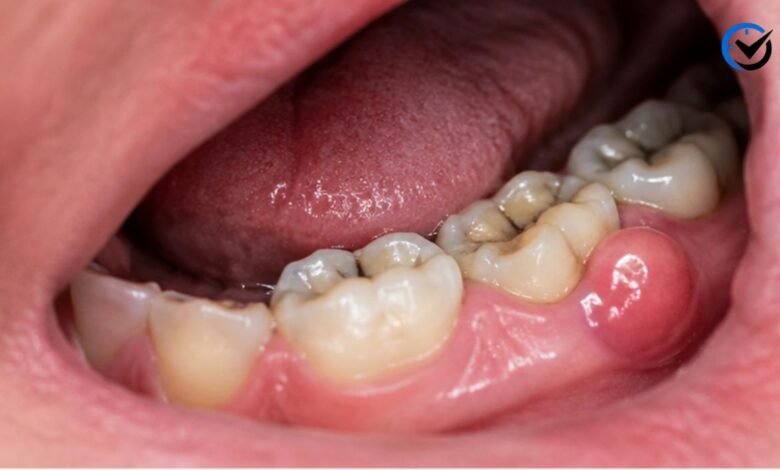
Finding a hard bump on gums by molar can be concerning, especially when it appears suddenly or feels different from the surrounding tissue. Some bumps are harmless changes in the bone or gum, while others may be linked to tooth decay, infection, irritation, or an erupting tooth. The location, texture, size, color, and symptoms surrounding the bump can provide useful clues, but they cannot always identify the cause on their own. A dental professional can examine the area and, when necessary, use dental X-rays or other tests to determine what is happening. Understanding the common causes can help you know what deserves routine attention and what should be checked promptly.
What a Hard Gum Bump May Mean
A firm lump near a molar does not automatically mean something serious. The mouth contains bone, teeth, connective tissue, blood vessels, and gum c that can sometimes create small raised areas. A bump that has been present for a long time without pain or noticeable growth may have a different cause from one that develops over several days and becomes tender. It is also possible for a person to notice a normal anatomical feature only after touching the area with the tongue or while brushing. Even when there is no discomfort, a new or unexplained growth should be monitored rather than ignored.
Dental Abscess
One common concern is a dental abscess, which is a pocket of infection associated with a tooth or the tissues around it. An abscess may produce a raised area on the gum close to an affected molar. Unlike a simple irritation, it may be accompanied by throbbing pain, sensitivity to hot or cold, swelling, an unpleasant taste, or drainage. Some infections cause surprisingly little pain, particularly when pressure has found a way to drain through the gum. A dental abscess generally requires professional treatment because the underlying infection will not reliably disappear through home care alone.

Gum Infection and Periodontal Problems
Infection involving the gums can also cause localized swelling near a molar. Plaque and hardened tartar can irritate the gum and create pockets where bacteria collect. Over time, periodontal disease can affect the supporting tissues and bone around a tooth. The area may look swollen, red, or tender, and bleeding during brushing can occur. A firm area can sometimes feel more noticeable as inflammation changes the shape of the surrounding tissue. Professional cleaning, improved oral hygiene, and treatment based on the severity of the gum disease can help protect the affected tooth and surrounding structures.
Bone Growths and Bony Prominences
Not every hard bump is caused by infection. Some people naturally have small areas of extra bone, known as benign bony growths or prominences. These areas usually feel very hard because they are made of bone rather than soft gum tissue. They may remain unchanged for years and may not cause any symptoms. A dentist can often recognize these features during an examination. If a bony prominence is not causing pain, interfering with chewing, or making oral hygiene difficult, treatment may not be necessary. Removal is generally considered only when there is a practical reason to do so.
Impacted or Erupting Teeth
A molar-area lump can sometimes be related to a tooth that is still developing or attempting to erupt. Wisdom teeth are a frequent example, particularly in teenagers and young adults. When a tooth does not have enough room to emerge normally, the surrounding gum may become raised or swollen. An impacted tooth can also contribute to infection, pressure, jaw discomfort, or difficulty cleaning the area. Dental imaging can show whether a tooth is positioned beneath the gum and whether it is affecting nearby teeth or bone. Treatment depends on the tooth’s position and the person’s symptoms and dental health.
Tooth Decay and Infection Beneath the Gum
Deep tooth decay can eventually reach the inner part of a tooth, where nerves and blood vessels are located. If bacteria enter this area, infection may spread toward the root and surrounding bone. The resulting swelling can sometimes appear as a small bump on the gum beside the affected molar. A person may notice tooth sensitivity first, while another person may notice the gum swelling before experiencing significant pain. Because the visible bump may only be a sign of a deeper problem, treating the surface of the gum alone will not solve the underlying dental issue.
Irritation or Minor Trauma
Repeated irritation can produce a localized change in the gum. Biting the cheek or gum, brushing too aggressively, eating hard foods, or having a sharp edge on a damaged tooth can injure the tissue. Dental appliances and poorly fitting restorations may also rub against the gum. Minor trauma often improves after the source of irritation is removed. However, a persistent hard lump should not automatically be blamed on an injury, particularly if it remains for several weeks, continues growing, or develops other symptoms. A dental examination is appropriate when the cause is uncertain.
Symptoms That Can Help Identify the Cause
The appearance and behavior of the bump can provide helpful information. A painless, smooth, stable, bone-hard area may be less concerning than a rapidly enlarging lump accompanied by pain or drainage. Redness, warmth, bleeding, pus, bad taste, fever, facial swelling, or difficulty opening the mouth can suggest infection. Pain when biting may point toward a problem involving the tooth or its supporting tissues. A dentist will consider these details along with the condition of nearby teeth, gums, and jawbone. Because several dental conditions can look similar, symptoms alone should not be used to make a definite diagnosis.
When to See a Dentist
A new bump near a molar is worth discussing with a dentist if it does not disappear, repeatedly returns, becomes larger, or causes discomfort. Prompt dental care is especially important when swelling is accompanied by severe toothache, fever, facial swelling, difficulty swallowing, or difficulty breathing. These symptoms can indicate an infection that requires urgent attention. People should not wait for severe pain before seeking care because some dental infections can progress with relatively mild symptoms. Early evaluation may also make treatment simpler by addressing the problem before it affects additional teeth or surrounding structures.
How Dentists Diagnose a Gum Bump
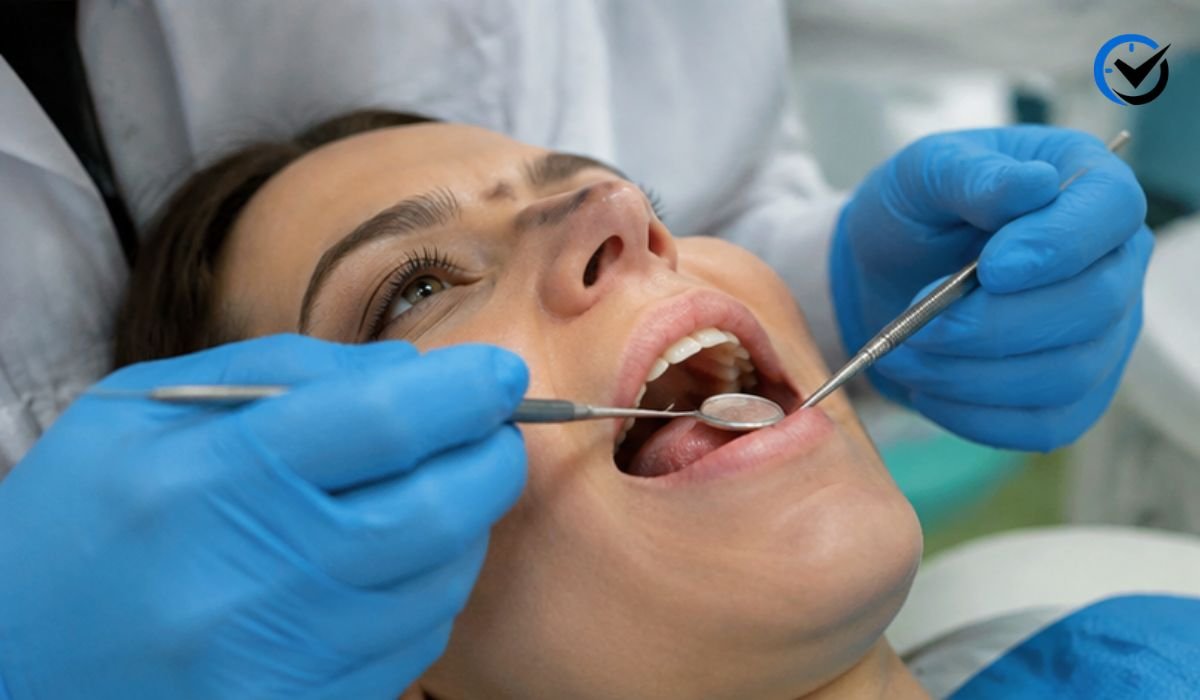
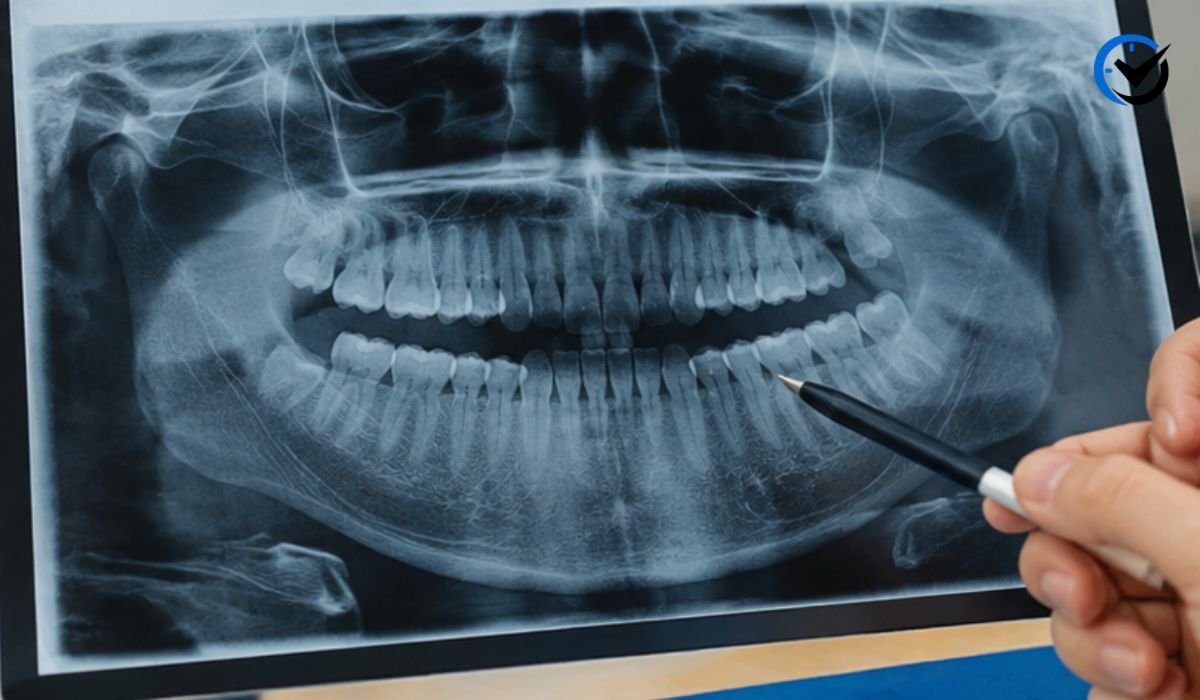
During an examination, the dentist may gently feel the area and inspect the color, size, surface, and surrounding gum. The affected molar may be checked for decay, cracks, tenderness, looseness, or sensitivity. Dental X-rays can reveal problems hidden below the gum, including infection around a tooth root, an impacted tooth, bone changes, or other abnormalities. In some situations, additional imaging or referral to an oral specialist may be recommended. The goal is to determine whether the bump comes from the gum, tooth, bone, or another nearby structure before choosing treatment.
Treatment Options
Treatment depends entirely on the underlying cause. An abscess may require drainage, treatment of the infected tooth through root canal therapy, or removal of a tooth that cannot be saved. Gum disease may require professional cleaning and more thorough periodontal treatment. An impacted wisdom tooth may need monitoring or removal depending on its position and associated problems. A harmless bony prominence may require no treatment at all. If irritation is responsible, correcting the source can allow the tissue to recover. Antibiotics may be prescribed in certain dental infections, but they do not replace treatment of the infected tooth or other underlying cause.
What You Can Do at Home
Until a dental appointment, gentle oral care is usually appropriate. Brush carefully with a soft toothbrush and clean between the teeth without aggressively pressing against the bump. Rinsing the mouth with warm salt water may provide temporary comfort for irritated gums, although it does not treat an underlying infection. Avoid squeezing, puncturing, cutting, or attempting to drain the lump yourself. Such actions can damage tissue and potentially spread infection. If the area is painful, follow the directions on an appropriate over-the-counter pain reliever unless a healthcare professional has advised you not to use it.
Can a Hard Bump Go Away on Its Own?
Some bumps can disappear when the underlying irritation settles. A minor injury, for example, may improve over several days as the gum heals. Temporary inflammation can also decrease after the source of irritation is removed. A bony growth, however, will not normally disappear on its own because it represents a structural feature rather than temporary swelling. Likewise, an abscess should not be expected to resolve simply because pain decreases. A reduction in pain can sometimes mean that pressure has drained or the nerve has stopped functioning, while the infection remains. Persistent or recurring bumps deserve professional evaluation.
Final Thoughts
A hard bump on gums by molar can have many possible explanations, ranging from harmless bone variations and minor irritation to tooth infection, gum disease, or an erupting or impacted tooth. The most useful clues are how quickly it appeared, whether it changes in size, whether it hurts, and whether symptoms such as swelling, drainage, fever, or tooth sensitivity are present. Home care may soothe mild irritation, but it cannot determine or treat every underlying cause. If a lump persists, grows, returns, or is accompanied by significant symptoms, seeing a dentist is the safest way to identify the problem and choose appropriate treatment.
Frequently Asked Questions
1. Is a hard bump near a molar always a sign of infection?
No. A hard bump can result from a normal bony prominence, an erupting tooth, irritation, gum disease, or an infection. A dental examination is needed to determine the actual cause, particularly when the bump is new or changing.
2. Why does the bump feel like bone?
If the area feels extremely hard and does not move when touched, it may be associated with underlying bone. Some people naturally have harmless bony prominences in the mouth. However, a new hard growth should still be examined if its cause is unclear.
3. Can an abscess cause a hard lump on the gum?
Yes. An abscess can create localized swelling beside an infected tooth. The area may feel firm or raised and may be painful, although some dental infections produce little pain. Drainage, bad taste, tooth sensitivity, or facial swelling can also occur.
4. Can a wisdom tooth cause a bump near the back molar?
Yes. A developing or impacted wisdom tooth can cause a raised area in the gum at the back of the mouth. It may also cause tenderness, swelling, jaw discomfort, or repeated inflammation when there is not enough room for the tooth to erupt normally.
5. Should I pop or squeeze the bump?
No. Trying to puncture or squeeze a gum lump can injure the tissue and may worsen an infection. If the bump contains infected fluid, it needs appropriate dental treatment rather than home drainage.
6. How long should I wait before seeing a dentist?
If a new bump does not improve within a short period, keeps returning, becomes larger, or causes pain, arrange a dental examination. Seek urgent care when swelling spreads to the face or neck or when fever, trouble swallowing, or difficulty breathing develops.
7. Can poor oral hygiene cause a bump near a molar?
Poor oral hygiene can contribute to plaque buildup, gum inflammation, periodontal disease, and dental infections. These conditions may cause swelling or localized changes around a molar. Regular brushing, interdental cleaning, and professional dental care help reduce these risks.
8. Can a cavity cause a lump on the gum?
A deep cavity can eventually lead to infection inside a tooth. If that infection spreads toward the root, a localized swelling or bump may develop on the nearby gum. Treating the cavity early can reduce the chance of progression to a deeper infection.
9. Is a painless hard gum bump something to worry about?
A painless bump is not necessarily dangerous, but lack of pain does not identify its cause. Some harmless growths are painless, while certain dental infections can also have few symptoms. A persistent or unexplained lump should be checked by a dentist.
10. Will a dentist always remove a hard gum bump?
No. Removal is not always necessary. If the bump is a harmless bony prominence and does not interfere with eating, cleaning, or comfort, the dentist may simply monitor it. Treatment is based on the cause, symptoms, changes over time, and potential effect on oral health.
Recommended: Mind Map Pathological Demand Avoidance: Understanding PDA in Everyday Life





One Comment