

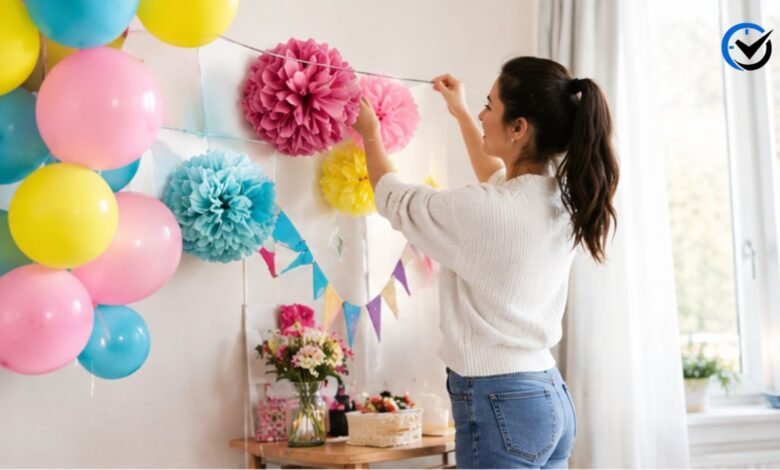
Planning an event can be exciting, but it can also become stressful when costs, schedules, guest needs, and creative decisions start adding up. Whether the occasion is a birthday party, family gathering, community event, holiday celebration, or small social get-together, good planning often makes the difference between a smooth experience and a difficult one. The Get ThriftyEvents.net Blog can be viewed as a useful source of ideas for people who want to approach celebrations in a practical and thoughtful way. Instead of focusing only on expensive decorations or elaborate venues, the concept behind thrifty event planning is about making smart choices, using available resources well, and creating enjoyable experiences without unnecessary spending.
Understanding the Idea Behind Thrifty Event Planning
Thrifty event planning does not mean making an occasion look cheap or removing everything that makes it special. It means understanding where money can make a real difference and where simpler alternatives can work just as well. A successful celebration depends more on thoughtful organization, a welcoming atmosphere, and attention to guests than on how much money is spent. This approach can help hosts set realistic expectations while still creating events that feel personal and memorable.
Why Affordable Celebrations Are Becoming More Popular
Many people are becoming more careful about how they spend money on social occasions. Rising everyday expenses can make large event budgets difficult to maintain, especially for families, students, community groups, and people organizing celebrations on their own. An affordable approach gives hosts more control over their spending while allowing them to focus on what guests actually enjoy. Food, comfort, conversation, entertainment, and thoughtful details can often matter more than costly extras.
Finding Inspiration for Different Types of Events
A useful event-planning resource should provide ideas that can work for many occasions rather than focusing on one particular type of celebration. Birthday parties may need simple themes and activities, while family gatherings may benefit from shared meals and comfortable seating. Holiday events can use seasonal decorations, whereas community activities may require stronger attention to scheduling and participation. Having a broad collection of ideas allows readers to adapt suggestions instead of copying a single formula.
Creating a Realistic Event Budget
One of the most important parts of planning an affordable event is creating a budget before making purchases. A simple budget can separate essential expenses from optional ones and help prevent last-minute overspending. Hosts should consider food, invitations, decorations, entertainment, transportation, venue costs, and unexpected expenses. Setting a spending limit early also makes it easier to compare alternatives. When a budget is treated as a planning tool rather than a restriction, it can actually make decisions easier.
Choosing a Suitable Venue
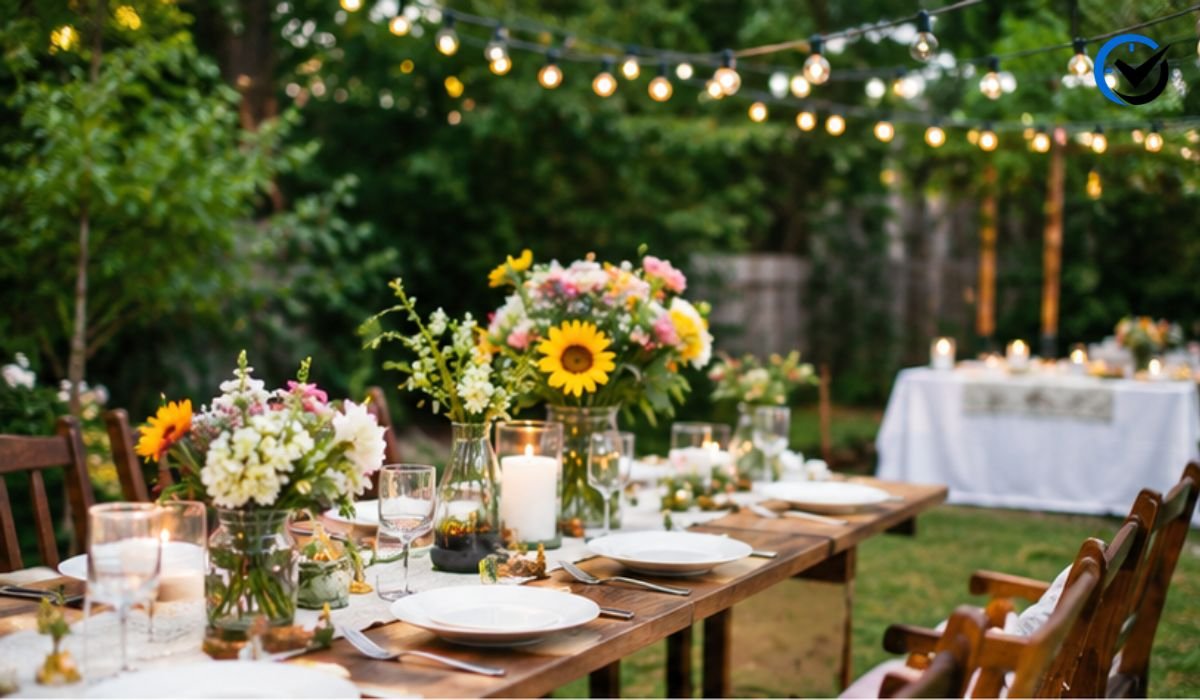
The venue can have a major effect on the total cost of an event. A rented hall may be appropriate for a large gathering, but smaller occasions might work well in a home, community space, public facility, garden, or other suitable location. The best choice depends on guest numbers, weather, accessibility, available facilities, and local rules. A lower-cost venue can be a strong option when it provides the basic space and comfort needed without requiring expensive additions.
Making Decorations More Affordable
Decorations can quickly consume an event budget, particularly when every item is purchased new. A more practical approach is to choose a simple visual theme and use a small number of elements consistently. Reusable fabric, paper decorations, plants, table settings, lights, and handmade displays can create an attractive atmosphere without excessive spending. Decorations can also be reused for future occasions when they are selected in neutral colors or flexible designs.
Using DIY Ideas Without Creating Extra Stress
Do-it-yourself projects can reduce costs, but they should be approached realistically. A project that takes several hours and requires many materials may not actually save money compared with a simple store-bought alternative. The most useful DIY ideas are usually those that require common household supplies, basic craft materials, or items that can be reused. Hosts should also consider their available time. Saving money is helpful, but not if the process makes the entire event harder to manage.
Planning Food With Guests in Mind
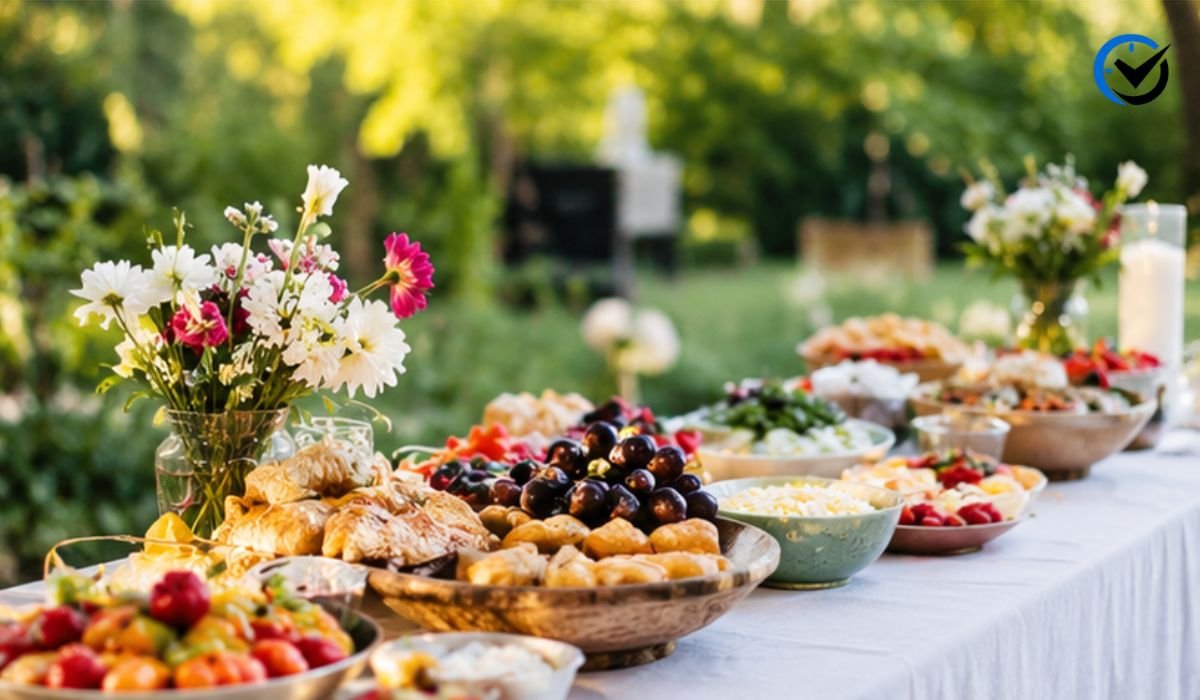
Food is often one of the largest expenses associated with celebrations, so careful planning can have a noticeable impact on the overall budget. Hosts can estimate portions according to the number of guests instead of preparing excessive amounts. Simple dishes can also be combined with one or two special items to create variety without unnecessary expense. For larger gatherings, shared meals or potluck-style arrangements may provide another practical option, depending on the occasion and the preferences of the people attending.
Making Invitations Simple and Effective
Invitations provide guests with important information, but they do not always need to be expensive. Digital invitations can be convenient for many informal occasions, while printed invitations may still be appropriate for formal celebrations or guests who prefer physical copies. Regardless of the format, an invitation should clearly communicate the date, time, location, expected dress, and any other important instructions. Clear communication can reduce confusion and help hosts receive more accurate responses.
Building Entertainment Around Participation
Entertainment does not always require professional performers or expensive equipment. Games, conversation activities, music, simple competitions, storytelling, crafts, and group activities can encourage guests to participate without creating a large expense. The right choice depends on the age group and type of event. A family gathering may benefit from interactive games, while an adult dinner might need little organized entertainment at all. Understanding the audience is more important than trying to fill every moment with activities.

Using Technology Wisely
Technology can simplify many parts of event organization. Digital invitations, shared planning documents, online schedules, music playlists, virtual communication, and simple budgeting tools can help hosts stay organized. However, technology should support the event rather than dominate it. Too many apps, complicated systems, or digital activities can create unnecessary work. The most useful tools are those that save time, reduce confusion, and make communication easier.
Reusing Items for Future Celebrations
One of the smartest ways to reduce event costs is to think beyond a single occasion. Items such as serving dishes, tablecloths, storage containers, basic decorations, lighting, and reusable signs can often serve multiple purposes. Storing these supplies carefully after an event can create a small personal event kit that becomes useful later. Over time, this approach can reduce repeated purchases and make future celebrations easier to organize.
Shopping With a Clear Purpose
Impulse purchases can quickly push an event beyond its intended budget. Before shopping, hosts can create a simple list of what is genuinely needed and compare prices across different stores or suppliers. Buying in larger quantities may make sense for certain items, but only when those items will actually be used. It is also helpful to consider quality and durability rather than choosing something solely because it has a low price. A cheap item that must be replaced quickly may cost more in the long run.
Considering Sustainability at Events
Affordable event planning and responsible consumption can work together. Reusing decorations, avoiding unnecessary disposable products, choosing practical serving options, and reducing food waste can lower expenses while also limiting waste. Hosts can also consider borrowing items from friends or family instead of purchasing things that will rarely be used again. These choices do not require an event to become highly formal or restrictive. Small decisions can make celebrations more efficient and responsible.
Making Celebrations More Personal
A meaningful event does not need to look professionally produced. Personal details can often create a stronger impression than expensive decorations. A favorite family recipe, a handmade card, photographs, a carefully selected playlist, or a simple activity connected to the guests can give an occasion its own identity. Personalization also helps hosts avoid spending money on generic products that may not add much value. The goal is to create an atmosphere that reflects the people and purpose behind the gathering.
Managing Time Before the Event
Budget is only one part of successful planning. Time management can be equally important. Starting early gives hosts more opportunities to compare options, prepare food, create decorations, communicate with guests, and solve unexpected problems. A basic schedule can divide preparation into smaller tasks rather than leaving everything for the final day. This reduces pressure and makes it easier to notice missing details before guests arrive.
Avoiding Common Planning Mistakes
Event problems often come from small oversights rather than major failures. Forgetting to confirm the venue, underestimating food quantities, overlooking transportation, failing to account for weather, or creating an unrealistic schedule can cause avoidable stress. A simple review before the event can identify these risks. Hosts should also leave some flexibility in their plans because guests may arrive at different times, activities may take longer than expected, and circumstances can change.
Adapting Ideas to Different Budgets
There is no single definition of an affordable event because every host has different resources and priorities. Someone may have a modest budget but plenty of time for preparation, while another person may prefer to spend more on convenience and save time elsewhere. Good planning allows ideas to be adjusted according to those circumstances. A decoration, menu, activity, or venue suggestion should be treated as an option rather than a fixed requirement.
Why Practical Event Resources Can Be Useful
A resource centered on affordable celebrations can be valuable because it encourages people to think creatively before spending. The strongest ideas are usually those that explain not only what to do but also why a particular choice makes sense. Readers can then adapt the concept to their own situation, location, guest list, and budget. This practical mindset makes event planning more accessible to people who may not have professional experience organizing gatherings.
Final Thoughts
The Get ThriftyEvents.net Blog concept is best understood through the broader idea of thoughtful, affordable event planning. A memorable celebration does not depend entirely on a large budget, expensive decorations, or a complicated schedule. Careful preparation, sensible spending, personal touches, and attention to guests can create an enjoyable experience at many different budget levels. By focusing on practical choices and adapting ideas to individual circumstances, hosts can plan celebrations that feel welcoming without unnecessary expense. The real value of thrifty event planning is not simply spending less; it is making sure that the money, time, and effort invested in an occasion contribute to what guests actually remember and enjoy.
Frequently Asked Questions
1. What is the Get ThriftyEvents.net Blog about?
The blog concept centers on affordable event planning, celebration ideas, practical preparation, and ways to make gatherings enjoyable without excessive spending. It can be useful for people looking for inspiration for parties, family occasions, community gatherings, and other social events.
2. Does thrifty event planning mean having a low-quality celebration?
No. Thrifty planning is mainly about making careful choices rather than removing quality. A host can create an attractive and enjoyable event by focusing spending on important areas while using simpler or reusable solutions for less important details.
3. How can I start planning an affordable event?
Start by deciding the purpose of the event, estimating the number of guests, and setting a realistic spending limit. After that, identify essential expenses and compare different options for food, venue, decorations, entertainment, and other requirements.
4. What are some simple ways to reduce decoration costs?
Using reusable decorations, handmade elements, existing household items, plants, fabric, paper crafts, and simple lighting can reduce costs. Choosing one clear theme can also prevent unnecessary purchases because every decoration does not need to be different.
5. Can homemade food help reduce event expenses?
It can, depending on the number of guests, available time, and type of food being prepared. Simple dishes made in larger quantities may be more affordable than ordering everything from a professional service. Hosts should still plan portions carefully to avoid waste.
6. Are digital invitations suitable for every event?
Digital invitations can work well for many casual and modern gatherings because they are convenient and easy to update. However, printed invitations may be more suitable for formal events or guests who do not regularly use digital communication.
7. How can I make a small event feel special?
Personal touches can make a small gathering memorable. A thoughtful menu, meaningful music, photographs, simple decorations, and activities connected to the guests can create a warm atmosphere without requiring a large budget.
8. Should I buy event supplies in bulk?
Buying in bulk can be useful when the items are needed in large quantities or can be stored and reused later. However, bulk purchases are not automatically cheaper if many items remain unused. Hosts should compare the actual cost and expected use before purchasing.
9. How early should I begin planning a celebration?
The ideal planning period depends on the event’s size and complexity. Small gatherings may require only a few weeks, while larger celebrations often benefit from several months of preparation. Starting earlier generally provides more time to compare prices and handle unexpected problems.
10. What is the most important part of affordable event planning?
The most important part is understanding priorities. Hosts should decide what matters most to their guests and the purpose of the occasion, then direct their available time and money toward those areas. This helps create a balanced celebration without unnecessary spending.
Recommended: OG Roblox Games: 15 Classic Games Every Veteran Player Remembers





One Comment