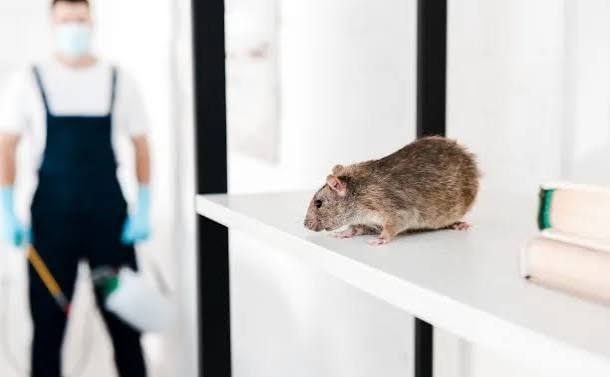
Few things disrupt a peaceful home faster than the scratching of tiny feet in your walls at 2 a.m. Mice and rats don’t just startle you awake — they chew through wiring, contaminate food, and leave behind droppings that can spread disease. If you’ve noticed these unwelcome signs, you’re not alone, and you’re definitely not without options.
Rodent infestations tend to creep up quietly. One day there’s a strange smell near the pantry, and the next you’re finding chewed cardboard boxes or pencil-sized droppings tucked into corners. By the time most homeowners notice the problem, the rodents have usually settled in and started multiplying. That’s why a fast, professional response matters so much.
At LOCAL Bug Guy, we’ve built our reputation on solving exactly this kind of problem — quickly, thoroughly, and without the guesswork that comes from trying DIY traps or store-bought bait stations. This post walks through why rodents invade homes, the risks they bring, and how a trusted local team can help you take back control of your space.
What Attracts Rodents to Your Home in the First Place?
Rodents are opportunists. They’re drawn to easy access points, consistent food sources, and warm shelter — especially as the seasons change. Small cracks in your foundation, gaps around utility lines, or even a slightly ajar garage door can serve as an open invitation.
Kitchens and pantries are prime targets because of the obvious food supply, but rodents are just as happy nesting in attics, basements, or wall voids where they feel safe from predators. Once inside, they don’t need much — a few crumbs, a warm corner, and minimal foot traffic are enough to make themselves comfortable.
Common Entry Points Homeowners Overlook
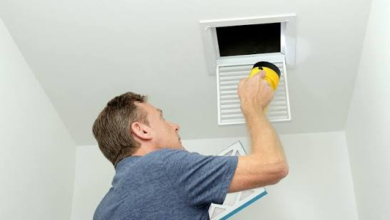
Many infestations start in places people rarely inspect. Vents, chimneys, and the small gaps around pipes entering the home are frequent culprits. Mice, in particular, can squeeze through openings as small as a dime, which means even well-maintained homes aren’t immune.
The Real Risks of Letting a Rodent Problem Linger
It’s tempting to think a mouse or two isn’t a big deal. Unfortunately, rodents reproduce quickly, and a minor nuisance can turn into a full-blown infestation within weeks. Beyond the obvious ick factor, there are real health and property risks involved.
Rodents are known carriers of bacteria and pathogens that can contaminate countertops, food storage areas, and even HVAC systems. Their constant gnawing can also damage electrical wiring, insulation, and wooden structures, sometimes leading to costly repairs or even fire hazards. The longer an infestation goes unaddressed, the more extensive — and expensive — the cleanup becomes.
Why DIY Methods Often Fall Short
Store-bought traps and baits can catch a stray mouse here and there, but they rarely solve the root of the problem. Rodents are smart, cautious creatures that learn to avoid traps after a few close calls. Without identifying and sealing entry points, new rodents will simply replace the ones that were caught.
This is where a trained eye makes all the difference. Professionals know where to look for nesting sites, how to track movement patterns, and which exclusion techniques actually keep rodents from coming back — not just temporarily, but for good.
How LOCAL Bug Guy Approaches Every Infestation
Every home is different, which is why a one-size-fits-all approach rarely works. Our technicians start with a thorough inspection to understand exactly how rodents are getting in and where they’re nesting. From there, we build a treatment plan tailored to your property, combining targeted removal with long-term exclusion strategies.
Say goodbye to sleepless nights and chewed-up wiring with Rodent Control that’s designed to protect your home from the inside out. Our team doesn’t just remove the rodents you can see — we identify and seal the access points you can’t, so your home stays protected well after our visit.
We also believe in clear communication throughout the process. You’ll know what we found, what we’re doing about it, and what steps you can take to prevent future issues. No confusing jargon, no upsells you don’t need — just straightforward, effective service from a team that genuinely cares about your home’s safety.
What to Expect During a Service Visit
A typical visit starts with a walkthrough of your property, both inside and out, to identify signs of activity and potential entry points. Our technicians then implement a combination of removal and prevention measures suited to your specific situation, whether that means sealing gaps, setting strategic traps, or recommending sanitation improvements to reduce future attraction.
Prevention Tips to Keep Rodents from Coming Back
Once your home is rodent-free, a few simple habits can help keep it that way. Store food in airtight containers, keep garbage bins sealed, and trim back vegetation that touches your home’s exterior. Regularly check for gaps around doors, windows, and utility entry points, since these are the most common ways rodents sneak inside.
Seasonal inspections are especially helpful, as rodents often seek shelter indoors when temperatures drop. Partnering with a pest control team for periodic checkups can catch small issues before they become big ones.
Take Back Your Home with Confidence
Living with a rodent problem isn’t something you have to tolerate, and it’s not something you have to figure out alone. With the right team on your side, you can address the issue quickly and put preventive measures in place that keep your home protected long-term.
If you’ve noticed signs of rodent activity — or just want peace of mind before the season changes — reach out to LOCAL Bug Guy. Our experienced technicians are ready to assess your home, explain your options clearly, and get started on a solution that fits your needs. Your home should feel like a safe, comfortable space, and we’re here to help make that happen.
Frequently Asked Questions
How quickly can rodent problems get worse?
Rodent populations can grow rapidly, sometimes within a matter of weeks, since mice and rats reproduce frequently. Addressing the issue early helps prevent a small problem from becoming a larger infestation.
Are rodent droppings dangerous to touch or breathe in?
Yes, droppings can carry bacteria and pathogens that pose health risks, especially if disturbed and inhaled as dust. It’s best to avoid direct contact and let trained professionals handle cleanup and removal.
Will sealing entry points alone solve the problem?
Sealing entry points is an important step, but it works best when paired with active removal of existing rodents. A combined approach addresses both the current infestation and future prevention.
How often should I schedule pest inspections?
Seasonal inspections, particularly before fall and winter, are a smart way to catch early signs of activity before rodents settle in for the colder months.