
Artificial Zoo: A New Way to Experience Wildlife Beyond Traditional Zoos

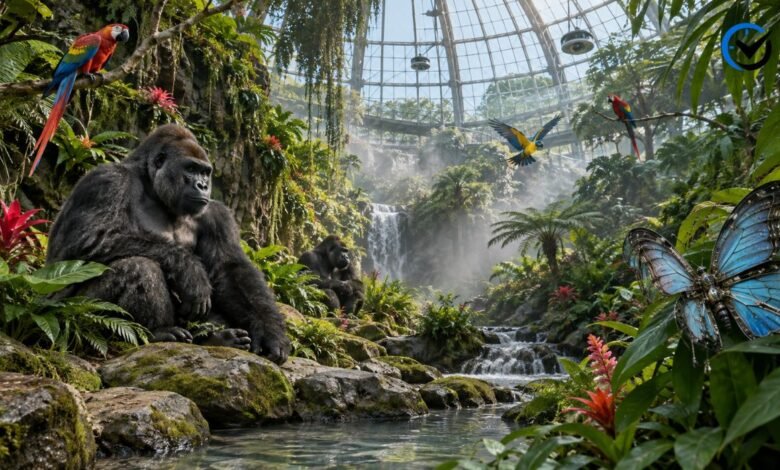
The idea of an Artificial Zoo challenges the traditional image of wildlife parks filled with physical animal enclosures. Instead of relying entirely on real animals, this concept can use technology, lifelike models, digital environments, robotics, or immersive displays to recreate the experience of observing wildlife. The goal is not necessarily to replace nature or conventional zoos, but to create another way for people to learn about animals and explore their behavior. As technology becomes more realistic and accessible, artificial wildlife experiences are attracting attention from educators, designers, museums, entertainment venues, and people interested in new forms of learning.
What Is an Artificial Zoo?
An artificial zoo is generally understood as a wildlife experience in which animals or their natural environments are represented through artificial means. Depending on the setting, that could involve realistic robotic animals, large-scale models, augmented reality, virtual reality, digital screens, projection systems, or carefully designed physical environments. There is no single format that defines the concept. Some experiences may be highly technological, while others may simply use detailed artificial animals to create an educational setting without keeping living creatures on display.
How the Concept Differs From a Traditional Zoo
Traditional zoos keep living animals in managed habitats where visitors can observe them directly. An artificial wildlife attraction takes a different approach because the animals may be simulated, modeled, or digitally represented. This difference can change almost every part of the visitor experience. There is no need to manage animal feeding schedules, veterinary care, breeding programs, or the daily welfare requirements associated with living creatures. At the same time, visitors do not receive the same experience as watching a real animal respond naturally to its surroundings. Each approach therefore offers different educational and practical possibilities.
The Role of Technology
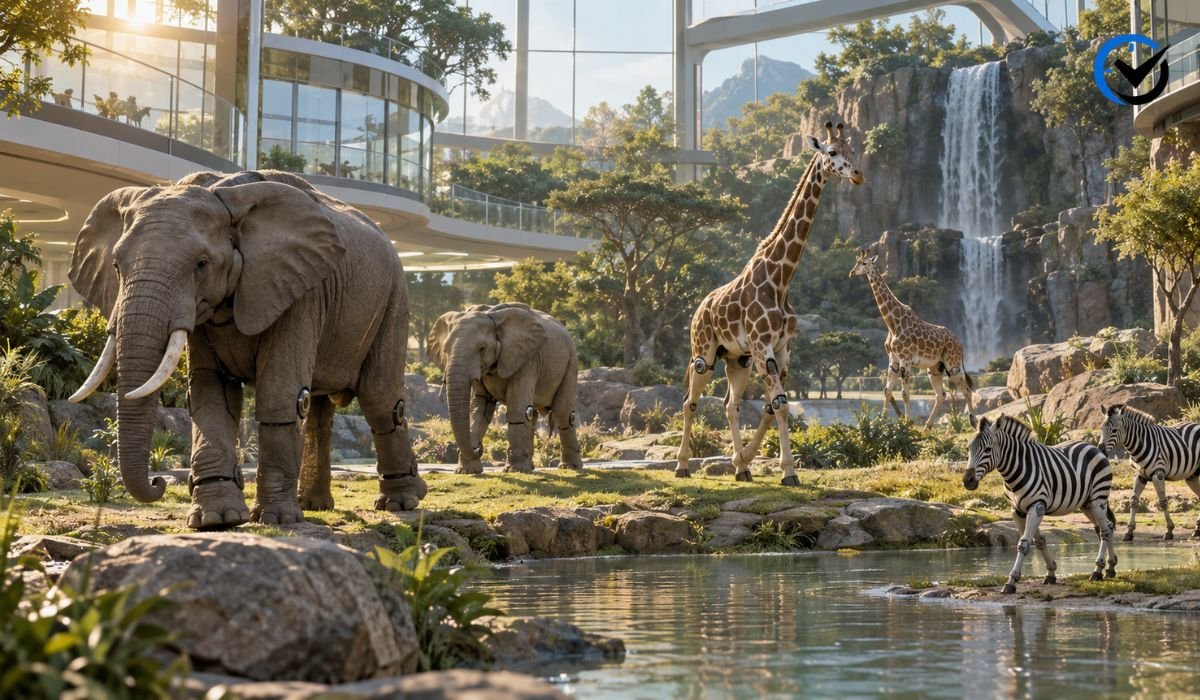
Technology can make artificial wildlife displays surprisingly detailed. High-quality robotics can reproduce movements such as walking, turning the head, opening the mouth, or responding to nearby activity. Digital systems can add sounds, changing environments, and interactive information. Virtual reality can go even further by placing a visitor inside a simulated habitat rather than simply showing an animal behind a barrier. These technologies allow designers to control the experience and explain details that may be difficult to observe during a short visit to a conventional zoo.
Artificial Animals and Robotic Displays
Robotic animals are one of the most visible forms of artificial wildlife. Modern mechanical designs can use moving joints, sensors, programmed movements, and realistic surfaces to create convincing representations of animals. Large prehistoric creatures are especially popular in some exhibitions because there are no living examples to observe. Similar techniques can also be used for modern species. A well-designed robotic display can demonstrate an animal’s size, movement, body structure, or feeding behavior while allowing educators to explain how the real species lives.
Virtual Wildlife Experiences
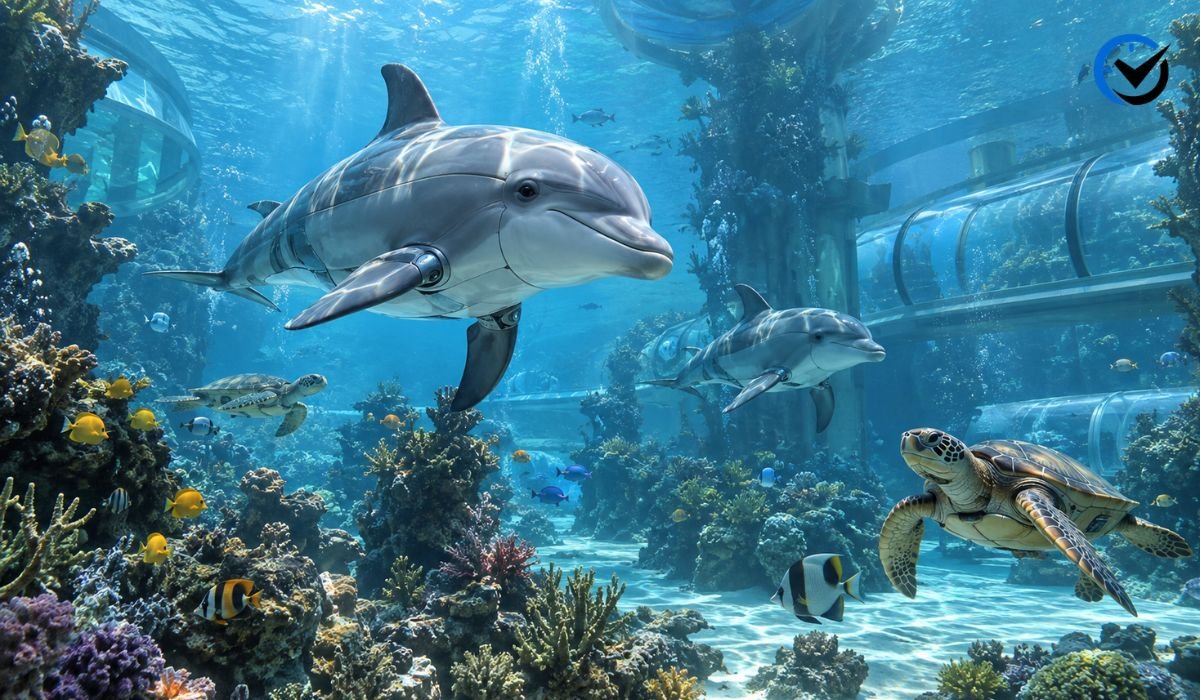
Virtual experiences offer another interpretation of the concept. Instead of placing an artificial animal in a physical enclosure, a computer-generated environment can recreate forests, oceans, deserts, grasslands, or other habitats. Visitors may explore these spaces through screens, projection rooms, or virtual reality equipment. This approach can provide access to animals and environments that are difficult to visit in person. Someone in a city, for example, could experience a simulated coral reef without traveling to the coast. The educational value depends heavily on how accurately and thoughtfully the virtual environment is designed.
Why Artificial Wildlife Experiences Can Be Educational
One major advantage is the ability to explain information directly within the experience. A visitor could see a simulated elephant while learning about its communication, migration, diet, and social behavior. A digital ocean environment could demonstrate how marine animals interact with their surroundings. Because the experience can be programmed, designers can repeat important demonstrations and adjust the level of information for different age groups. This can make artificial wildlife particularly useful in schools, museums, science centers, and other educational spaces where learning needs to be clear and accessible.
Accessibility for a Wider Audience
Not everyone can travel to national parks, wildlife reserves, or major zoological institutions. Artificial wildlife attractions can bring elements of those experiences closer to people. They may also be easier to adapt for visitors who have mobility limitations or other accessibility needs. A carefully designed digital environment can allow people to explore habitats without walking long distances. Interactive systems can also provide information through different formats, such as visual displays, audio descriptions, or simplified explanations. Accessibility should still be considered during design rather than treated as an afterthought.
A Different Approach to Animal Welfare
Animal welfare is one of the most important subjects surrounding artificial wildlife experiences. Keeping living animals requires responsible care, suitable habitats, proper nutrition, medical attention, social opportunities, and protection from unnecessary stress. An artificial display does not have those biological needs. This can make it useful in locations where maintaining live animals would be impractical or inappropriate. However, artificial exhibits should not give visitors the impression that technology can fully replace the importance of protecting real animals and their habitats. The two goals are different and can work alongside each other.
Limitations of Artificial Zoos
Artificial experiences also have clear limitations. A realistic model cannot fully reproduce the unpredictable behavior of a living animal. Real wildlife responds to weather, other animals, changing environments, hunger, social relationships, and countless natural influences. Those details are difficult to simulate completely. Visitors may therefore gain useful knowledge from an artificial exhibit while still missing the complexity of observing a living species. Good educational design should acknowledge this difference instead of presenting a simulation as an exact substitute for nature.
The Importance of Accuracy
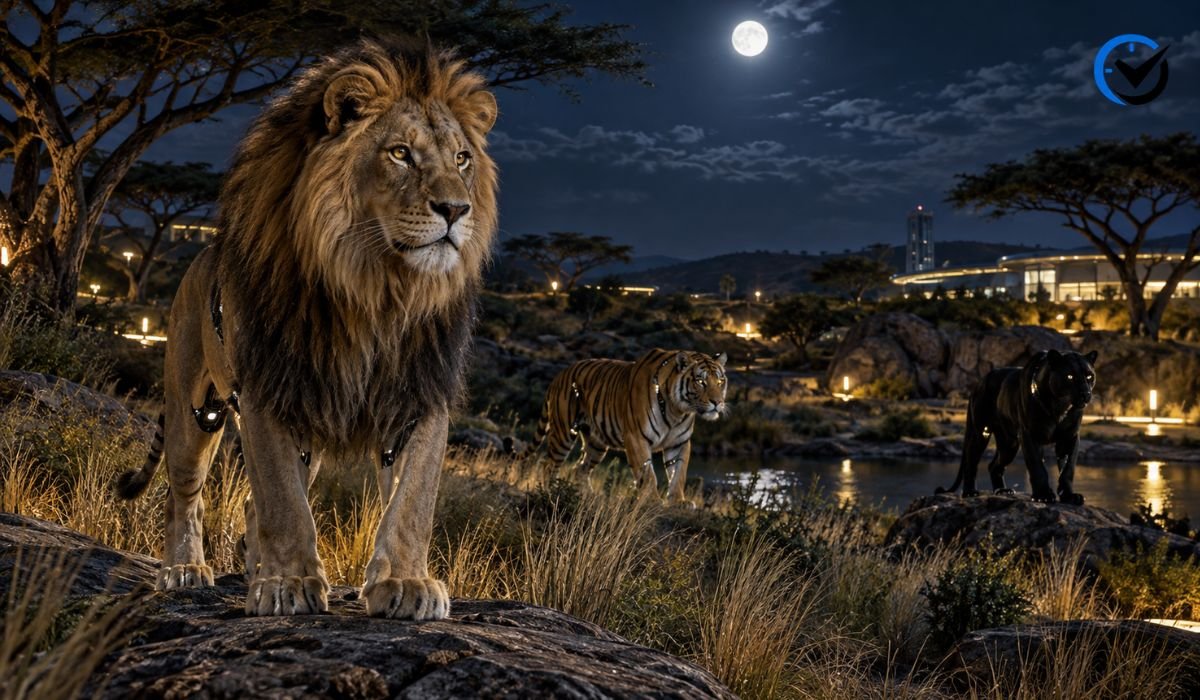
Accuracy matters because visitors often trust educational displays. If an artificial animal is designed with incorrect body proportions, behavior, habitat details, or sounds, it can create misunderstandings. Designers and educators should work with reliable biological information when creating these experiences. Even small details can influence how children and adults understand a species. A successful exhibit should make it clear when something is a reconstruction, simulation, or artistic interpretation. Being transparent helps visitors distinguish between scientific information and entertainment.
Artificial Zoos and Conservation Awareness
Technology can also support conservation education. A simulated experience might show how habitat loss affects a species or demonstrate the challenges faced by animals in changing environments. Visitors can explore ecosystems that are difficult to access and learn why biodiversity matters. Such experiences may encourage curiosity about real conservation work, although they cannot replace direct protection of forests, wetlands, oceans, and wildlife populations. The strongest educational approach connects the artificial experience to the real-world responsibility of protecting living ecosystems.
The Experience for Children
Children can find artificial wildlife displays especially engaging because movement, sound, and interactive features can make learning more memorable. Instead of reading a long description, a child might watch a digital animal demonstrate a behavior and then receive a simple explanation. This approach can encourage questions and discussion. However, entertainment should not become the only objective. The best experiences balance visual excitement with accurate information, helping young visitors understand that the animals represented by machines or screens are based on real species with real needs.
Museums, Schools, and Public Spaces
The concept can fit into many environments beyond dedicated zoos. Museums may use robotic animals to support natural history exhibitions, while schools can use digital habitats during science lessons. Shopping centers, public exhibitions, and cultural attractions may also use artificial wildlife displays to create educational installations. Because these systems do not require the same infrastructure as living-animal facilities, they can sometimes be installed in places where a traditional zoo would not be practical. Their flexibility makes the concept useful for temporary exhibitions as well as permanent attractions.
How Visitors Should Approach the Experience
Visitors should approach an artificial wildlife attraction as an educational or immersive representation rather than assuming it is identical to a real wildlife encounter. Paying attention to the information provided can make the experience more valuable. It is also useful to consider how the animal’s behavior has been recreated and what aspects are based on scientific observation. When people understand the difference between simulation and reality, they can enjoy the technology while maintaining a realistic view of wildlife and nature.
Could Artificial Experiences Replace Traditional Zoos?
A complete replacement is unlikely because traditional zoos can provide experiences that artificial systems cannot reproduce. Living animals display individual personalities and behaviors that are difficult to predict or program. Some zoological institutions also participate in conservation research, breeding programs, veterinary work, and public education. Artificial experiences can complement these activities by providing alternative ways to teach about animals. Rather than viewing the two models as direct competitors, it may be more useful to see them as different tools serving different purposes.
What the Future May Look Like
Future wildlife experiences may combine physical models, robotics, virtual reality, artificial intelligence, projection technology, and interactive learning systems. Visitors could potentially move through detailed habitats where digital and physical elements respond to their actions. These developments may make educational experiences more personalized and immersive. Yet technological progress will not automatically make an exhibit better. The quality of the information, the realism of the design, the accessibility of the experience, and the clarity of its educational purpose will remain more important than novelty alone.
Choosing Between Real and Artificial Wildlife Experiences
There is value in both direct and simulated encounters with wildlife. A real animal provides an unpredictable connection with a living species, while an artificial display can explain information, recreate inaccessible environments, and demonstrate specific behaviors on demand. For families, students, and curious visitors, experiencing both can offer a broader understanding. A simulated exhibit can spark interest, while real-world conservation sites, responsible wildlife organizations, and natural habitats can provide a deeper connection with living ecosystems.
Final Thoughts
The Artificial Zoo concept offers an interesting alternative way to experience and learn about wildlife. Through robotics, digital environments, realistic models, and immersive technology, it can bring animal behavior and distant habitats closer to audiences around the world. Its greatest strength is flexibility: an artificial exhibit can demonstrate specific ideas, recreate difficult environments, and support learning without requiring every visitor to travel to a traditional wildlife facility. At the same time, technology has limits, and a simulation cannot fully reproduce the complexity of a living ecosystem. The most meaningful approach is therefore not to choose technology over nature, but to use new tools to encourage greater understanding, curiosity, and respect for the real wildlife they represent.
Frequently Asked Questions
1. Is an Artificial Zoo the same as a traditional zoo?
No. A traditional zoo primarily displays living animals in managed habitats, while an artificial wildlife experience uses models, robotics, digital systems, virtual environments, or other artificial representations. The purpose and visitor experience can therefore be quite different.
2. Are artificial animals actually real animals?
Usually, no. Artificial animals are representations created through materials, mechanical systems, digital technology, or a combination of these methods. Some may look and move realistically, but they are not living creatures and do not have the biological needs of real animals.
3. What is the main purpose of an artificial wildlife experience?
Its purpose can vary, but education is often an important goal. These experiences can explain animal behavior, habitats, body structures, conservation challenges, and natural history in ways that are interactive and easier for visitors to understand.
4. Can children learn effectively from artificial animal displays?
Yes, when the experience is designed around accurate information and meaningful interaction. Moving models, digital environments, and simple explanations can help children understand difficult concepts. Adults should still explain that a simulated animal is a representation of a real species.
5. Do artificial zoos help animal welfare?
They can reduce the need to keep living animals for certain educational or entertainment purposes. This may avoid some welfare concerns connected with housing animals. However, an artificial display should not be viewed as a complete solution to wildlife welfare or conservation problems.
6. Are robotic animals completely realistic?
Not necessarily. Advanced robotics can reproduce certain movements, sounds, and physical details, but no machine perfectly reproduces every aspect of a living animal. Real animals behave according to changing biological and environmental conditions that are difficult to recreate completely.
7. Can virtual reality be part of an artificial zoo?
Yes. Virtual reality can place visitors inside simulated habitats and allow them to explore wildlife environments from a closer perspective. It can be particularly useful for showing places that may be difficult, expensive, or impossible for many people to visit in person.
8. How can artificial wildlife displays support conservation?
They can explain threats such as habitat destruction, pollution, climate changes, and declining animal populations. By making these subjects easier to understand, an exhibit can encourage visitors to learn more about conservation. Its greatest value comes when it connects technology with real environmental issues.
9. Will artificial zoos replace real zoos in the future?
There is no strong reason to assume that they will completely replace traditional zoos. Artificial experiences provide different benefits, while living-animal institutions can offer direct observation and may support research, veterinary care, breeding, and conservation programs. The two approaches can exist together.
10. What should visitors look for in a good artificial wildlife exhibit?
Visitors should look for accurate information, clear explanations, realistic but honest representations, accessible design, and a meaningful educational purpose. The best exhibits do more than create impressive visuals. They help people understand real animals, their habitats, and the importance of protecting the natural world.
Recommended: Carncierge: How Personalized Assistance Can Make Everyday Tasks Easier





One Comment