

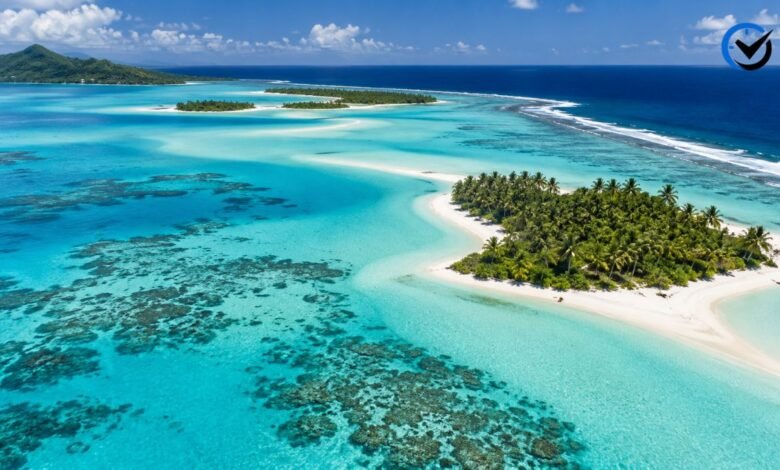
Cook Øerne, commonly known in English as the Cook Islands, is a group of 15 islands spread across a huge area of the South Pacific. Although the islands are widely associated with white beaches, turquoise lagoons, and relaxed tropical holidays, there is much more to understand before planning a trip. The destination has its own culture, traditions, political identity, and distinctive way of life. Rarotonga is the main center for visitors, while Aitutaki is famous for its extraordinary lagoon and peaceful atmosphere. This guide explains what travelers should know about the islands, including geography, culture, weather, transportation, activities, accommodation, and practical planning.
Understanding the Cook Islands
The Cook Islands are located in the South Pacific between French Polynesia and the islands farther west toward Fiji. The country consists of 15 islands and atolls divided broadly into northern and southern groups. Rarotonga is the largest and most important island for tourism, government, transportation, and everyday services. Aitutaki is another major visitor destination, while several outer islands offer a much quieter experience. The islands cover only a small amount of land compared with the enormous ocean area surrounding them, which helps explain why the destination can feel remote and uncrowded.
What Makes the Islands Different
One of the most appealing features of the destination is its slower pace. Rarotonga has a road that circles the island, and the entire loop can be driven in roughly 45 minutes under normal conditions. Instead of large towers and huge resort complexes, visitors generally find smaller hotels, villas, holiday homes, restaurants, and locally operated businesses. This gives the island a more relaxed character than some heavily developed beach destinations. Travelers can spend a morning exploring the coast, stop at a local café, visit a market, and still have plenty of time for the beach in the afternoon.
Rarotonga: The Best Starting Point
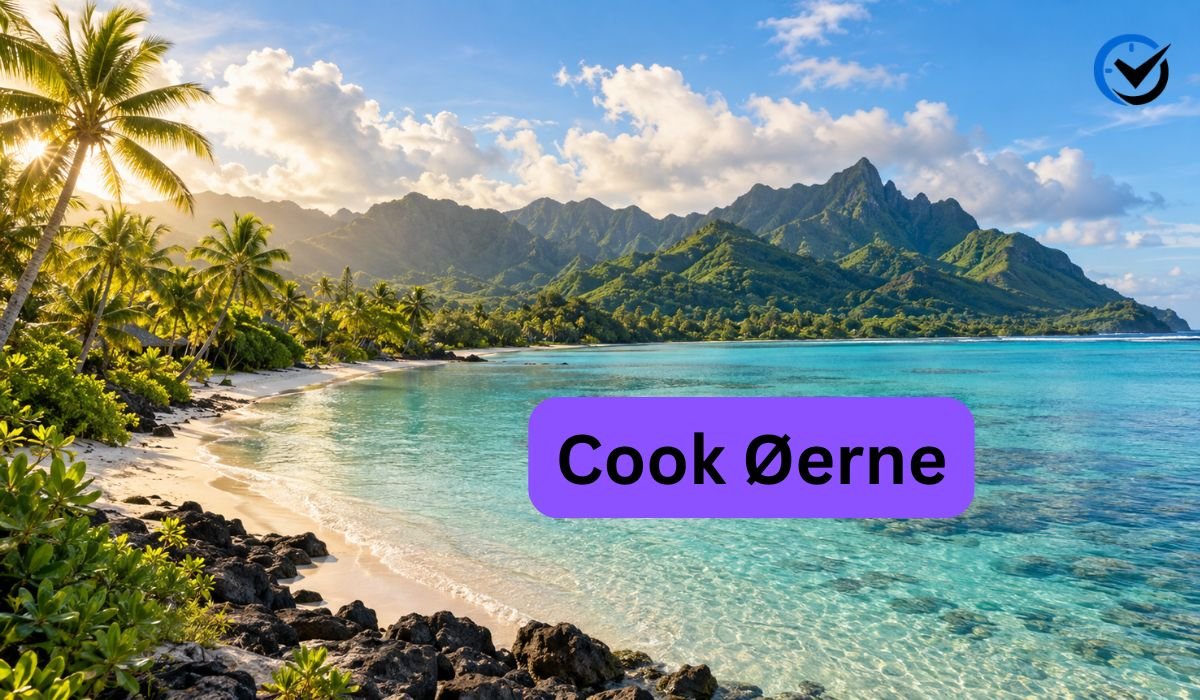
For most international travelers, Rarotonga is the natural starting point. It is the country’s main administrative and commercial center and offers the widest choice of accommodation, restaurants, tours, shops, and transportation. The island combines mountain scenery in its interior with beaches and lagoons around its coastline. Because distances are short, travelers do not need to spend their entire vacation moving between different locations. A stay on Rarotonga can work well for couples, families, solo travelers, and people who want a mixture of relaxation and outdoor activities without dealing with complicated transportation.
Aitutaki and Its Famous Lagoon
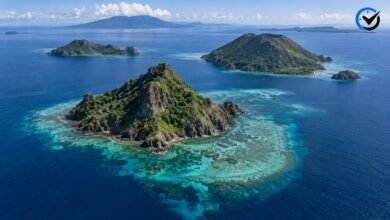
Aitutaki is often the island that appears in photographs when people imagine a perfect South Pacific lagoon. It is about 220 kilometers from Rarotonga and can be reached by a flight of around 50 minutes. Its large turquoise lagoon contains numerous small motus, or islets, surrounded by shallow water and bright sand. Lagoon cruises are among the most popular experiences, giving visitors opportunities to swim, snorkel, relax on small islands, and see marine life. Aitutaki is also quieter than Rarotonga, making it especially attractive to couples and travelers looking for a peaceful escape.
Culture and Local Identity
A trip here should not be viewed only as a beach holiday. Cook Islands Māori culture remains an important part of daily life, and visitors can experience local music, dance, food, crafts, markets, and community events. The country’s modern identity is also connected to its history of self-government. Since August 4, 1965, the Cook Islands has been self-governing in free association with New Zealand, maintaining its own Constitution, Parliament, government, and domestic administration. Understanding this arrangement helps travelers avoid the common mistake of treating the islands simply as another part of New Zealand.
Beaches, Lagoons, and Outdoor Activities
The natural environment is one of the strongest reasons to visit. Swimming, snorkeling, paddleboarding, kayaking, lagoon cruises, fishing, cycling, and hiking are all popular ways to experience the islands. Rarotonga provides more variety on land, including mountain trails and coastal exploration, while Aitutaki is particularly well suited to lagoon activities. Travelers who prefer a quiet vacation can simply spend time near the water, while more active visitors can combine hiking with swimming and boat excursions. The key advantage is flexibility: a day can be as active or as relaxed as you want.
Hiking and Exploring Beyond the Coast
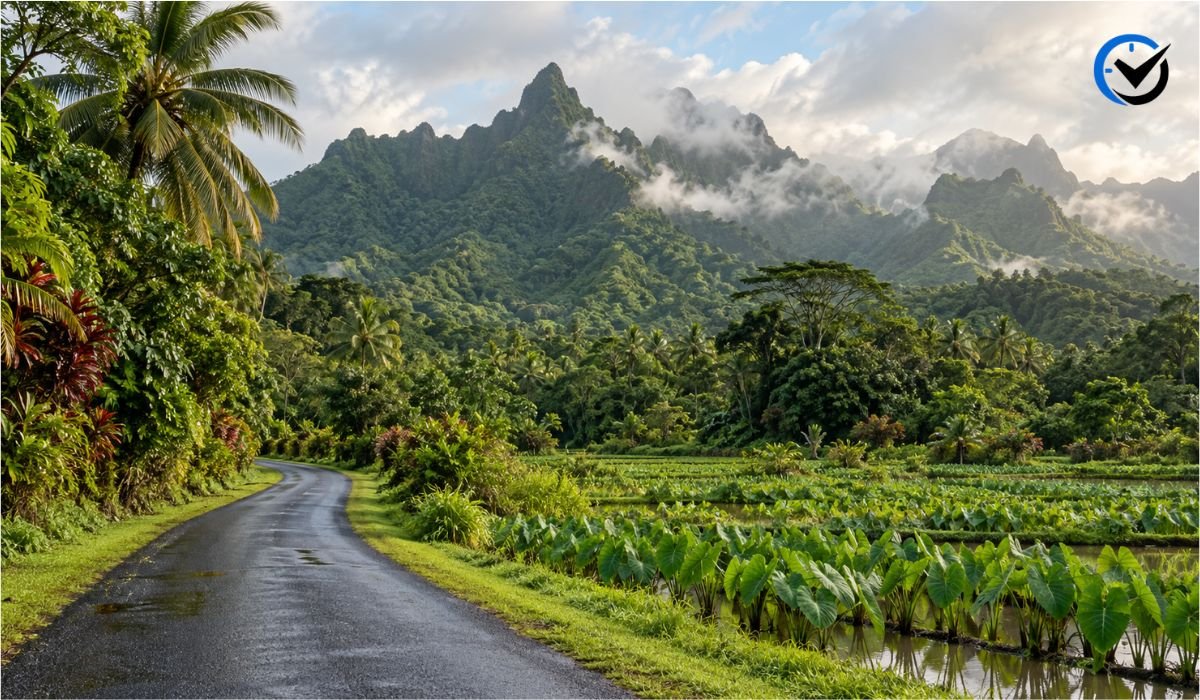
Rarotonga’s interior offers a completely different view of island life. Green mountains rise behind the coastal settlements, creating opportunities for walks and guided hikes. The Cross-Island Track is one of the better-known routes, but conditions can vary, especially after rain. Visitors should avoid treating tropical hiking like an ordinary city walk because heat, humidity, slippery surfaces, and changing weather can make some trails demanding. Proper footwear, water, sun protection, and sensible planning are important. Guided trips can be a good choice for travelers unfamiliar with the terrain.
When Is the Best Time to Visit?
The Cook Islands have a warm tropical climate throughout the year. The generally drier period runs from April through November, while November through March is warmer and can bring more humidity and tropical rainfall. Rain does not necessarily mean an entire day will be wet, as showers can be brief before the weather clears again. April, May, September, and October are often attractive shoulder-season choices because they can offer a useful balance between warm temperatures and relatively dry conditions. Whale watching is also associated with the July-to-October period around Rarotonga.
Getting There and Moving Around
Rarotonga is the main international gateway, with direct services available from several cities in the Pacific region and connections onward to other islands. Flights from New Zealand are particularly important, while routes also operate from destinations including Australia, Tahiti, and Honolulu. Aitutaki is normally reached by domestic flight from Rarotonga, with the journey taking about 50 minutes. Once on Rarotonga, travelers can use buses, rental cars, scooters, bicycles, and other local transportation options. The island’s compact size makes independent exploration relatively straightforward.
Where Should You Stay?
Choosing accommodation depends largely on the type of holiday you want. Rarotonga provides the greatest range, from simple guesthouses and apartments to resorts and private villas. Staying near the coast makes it easy to enjoy the lagoon, while a more inland location can provide a quieter setting and mountain views. Aitutaki is better suited to travelers who want to make the lagoon the centerpiece of their stay. There is no single best area for everyone, so it is worth considering whether your priority is swimming, restaurants, privacy, transportation, nightlife, or access to tours before choosing a property.
Food and Everyday Island Life
Food is another useful way to experience the destination. Local meals often reflect the islands’ Polynesian heritage and strong connection with the sea. Fresh fish, tropical fruit, coconut, taro, and other locally familiar ingredients appear in different forms across restaurants and community settings. Visitors should also make time for markets and locally operated food businesses rather than relying entirely on resort dining. Island life can be less formal than what many international travelers are used to, so patience and flexibility are helpful. Opening hours, transport schedules, and availability can sometimes differ from expectations in larger cities.
Money and Practical Planning
The New Zealand dollar is used as the official currency, although Cook Islands-issued coins are also part of everyday life. Travelers should plan their spending in advance and avoid assuming that every service will operate like it does in a major urban destination. Cards are accepted in many businesses, but having some practical payment options available is sensible, particularly when visiting smaller islands or local markets. Travel insurance is also worth considering because activities such as boating, snorkeling, hiking, and scooter travel involve different types of risk than a typical city vacation.
Entry Requirements and Travel Documents
Entry rules depend on nationality, so travelers should check the current requirements before departure rather than relying on old travel information. As of the current travel guidance, international visitors generally need a passport valid for at least six months beyond their departure date and proof of onward or return travel. New Zealand passport holders receive a longer stay on arrival than many other passport holders. Requirements can change, so checking the latest official immigration guidance before booking a trip is an important part of preparation.
Respecting Local Communities
Visitors can help protect the character of the islands by treating local communities and natural areas with respect. Beaches, reefs, lagoons, and hiking areas are not simply attractions; they are part of the environment and daily life of people who live there. Travelers should follow local instructions, avoid damaging coral or marine habitats, dispose of waste responsibly, and ask before photographing people in personal or community settings. Supporting locally owned restaurants, guides, shops, and accommodation providers can also help ensure that tourism contributes to the communities visitors come to experience.
Is Cook Øerne Right for You?
This destination is particularly appealing if you value natural scenery, warm weather, outdoor activities, and a slower travel pace. It may be less suitable for someone seeking large shopping centers, extensive nightlife, major urban attractions, or a fast-moving city environment. The islands reward travelers who enjoy simplicity and do not need every moment of a vacation to be scheduled. A good trip here is often about having enough time to explore without rushing from one attraction to another. That relaxed rhythm is part of what makes the destination memorable.
How Long Should You Stay?
A short trip can cover the highlights of Rarotonga, but staying longer gives travelers more time to appreciate the island’s rhythm. Around five to seven days can provide a comfortable introduction, especially if the main goal is exploring Rarotonga. Adding Aitutaki requires additional time, although its short flight from Rarotonga makes a day trip possible for some travelers. A longer stay allows more flexibility for weather changes, hiking, lagoon activities, cultural experiences, and quiet beach days. Rather than filling every day with tours, leaving some unplanned time can make the experience more enjoyable.
Planning a More Meaningful Trip
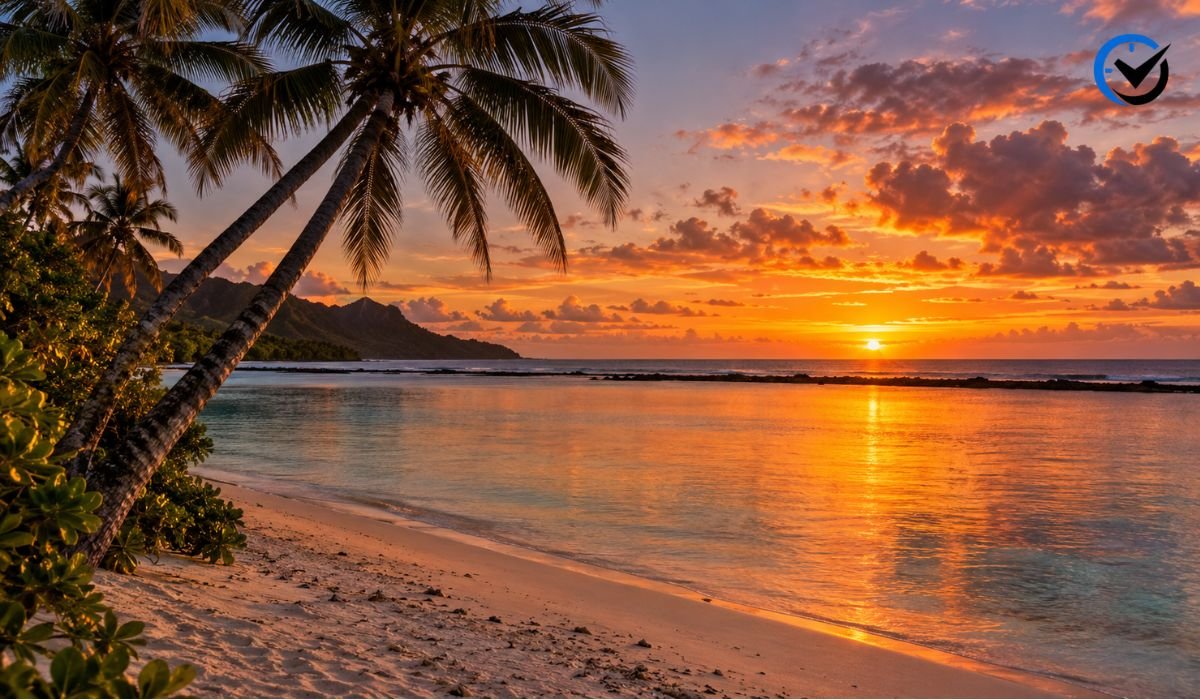
The best way to approach a visit is to balance famous attractions with ordinary island experiences. Spend time in the lagoon, but also explore local neighborhoods and markets. Take a boat trip, but leave another afternoon completely free. Try local food, speak respectfully with residents, and learn a little about Cook Islands Māori culture. If possible, visit beyond Rarotonga and experience how life differs on an outer island. These choices create a fuller understanding of the country instead of reducing it to photographs of beaches and resorts.
Final Thoughts
The Cook Islands offer much more than a postcard view of tropical beaches. Rarotonga provides an accessible introduction to island culture, outdoor adventure, local food, and everyday life, while Aitutaki adds an unforgettable lagoon experience. Understanding the weather, transportation, entry requirements, culture, and local pace can make a visit smoother and more rewarding. For travelers willing to slow down and explore beyond the obvious attractions, this South Pacific destination offers a memorable combination of nature, culture, and genuine island character.
Frequently Asked Questions
1. Is Cook Øerne the same as the Cook Islands?
Yes. “Cook Øerne” refers to the Cook Islands, while the Danish word “øerne” means “the islands.” In English, the destination is normally called the Cook Islands. It is a group of 15 islands and atolls in the South Pacific, with Rarotonga serving as the main administrative and tourism center.
2. Where are the Cook Islands located?
The Cook Islands are in the South Pacific, roughly between French Polynesia and Fiji and within a large ocean region between New Zealand and Hawaii. Their islands are spread over a very large area of ocean, which contributes to the remote character of the destination.
3. What is the most popular island to visit?
Rarotonga is the most practical choice for most first-time visitors because it has the largest selection of accommodation, restaurants, transportation, tours, and services. It also offers beaches, lagoons, mountains, hiking, and cultural experiences in one relatively compact area.
4. Why is Aitutaki so famous?
Aitutaki is best known for its spectacular lagoon, which contains numerous small islets surrounded by clear turquoise water. Lagoon cruises, snorkeling, swimming, and quiet beach time are major attractions, and the island has a more secluded feel than Rarotonga.
5. What currency is used in the Cook Islands?
The New Zealand dollar is the official currency. Cook Islands coins are also used locally. Travelers should still prepare for situations where payment choices may be more limited than in major international cities, particularly on smaller islands.
6. What is the weather like throughout the year?
The islands have a warm tropical climate year-round. April through November is generally drier, while November through March tends to be warmer and more humid, with occasional tropical showers. Weather can vary, so visitors should pack for both sunshine and short periods of rain.
7. Is the Cook Islands suitable for families?
Yes. Families can enjoy beaches, calm lagoon areas, boat trips, cycling, cultural activities, and nature experiences. However, parents should still consider swimming conditions, sun exposure, boat safety, and the age requirements of individual activities when planning their itinerary.
8. How do you travel between Rarotonga and Aitutaki?
The normal option is a domestic flight. The journey takes around 50 minutes, making Aitutaki accessible for travelers staying on Rarotonga. Those who want to experience both islands should include transportation time in their itinerary rather than trying to fit too much into a single day.
9. Do you need a visa to visit the Cook Islands?
Entry requirements vary according to nationality. Travelers should check the latest immigration rules before departure, including passport validity and onward-ticket requirements. Current guidance states that passports should generally remain valid for at least six months beyond departure.
10. Is Cook Øerne worth visiting?
For travelers who enjoy beaches, lagoons, nature, Polynesian culture, and a relaxed pace, the Cook Islands can be an excellent choice. Its appeal comes from the combination of natural beauty and everyday island life. The experience is less about crowded attractions and more about exploring, slowing down, and enjoying the surroundings.
Recommended: Margie Willett Biography: Marriage, Children, and Life With Dick Van Dyke




One Comment