
Margie Willett is best remembered as the first wife of legendary American entertainer Dick Van Dyke, but her story reaches beyond that familiar description. She knew Van Dyke before television fame, major awards, and celebrated roles in Mary Poppins, Chitty Chitty Bang Bang, and The Dick Van Dyke Show. Their relationship began in small-town Illinois, developed during financially difficult years, and eventually became a 36-year marriage that produced four children. Because Willett avoided publicity and never built a public career of her own, many details about her life remain private or have been distorted by entertainment websites. This biography focuses on the information supported by Van Dyke’s official biography, his personal recollections, and established reporting while clearly separating confirmed facts from online speculation.
Margie Willett Quick Bio
| Category | Information |
|---|---|
| Full name | Margerie Willett |
| Commonly known as | Margie Willett |
| Birth year | Commonly reported as 1927 |
| Hometown | Danville, Illinois |
| Nationality | American |
| Known for | Dick Van Dyke’s first wife |
| Former husband | Dick Van Dyke |
| Relationship began | Around 1945 |
| Marriage date | February 12, 1948 |
| Wedding location | Chapman Park Hotel, Los Angeles |
| Children | Christian, Barry, Stacy, and Carrie Beth |
| Divorce finalized | 1984 |
| Death | 2008, following pancreatic cancer |
Early Life in Danville, Illinois
Margie Willett grew up in or around Danville, Illinois, the same community where Dick Van Dyke spent much of his youth. Van Dyke later described her as a local girl he had known for years before they started dating when he was about 20, placing the beginning of their romance around 1945. Three details shaped this early chapter: the pair shared Midwestern roots, their relationship predated Van Dyke’s national fame, and neither entered the partnership with financial security. Willett therefore knew him first as an ambitious young performer trying to find stable work, not as the polished television personality recognized by millions. Reliable public accounts reveal very little about her parents, schooling, or childhood interests, and that absence should be respected rather than filled with unsupported claims. Her early biography is best understood through its setting: a comparatively ordinary Illinois upbringing that stood in sharp contrast to the Hollywood world the couple would later encounter.
How Margie Willett Met Dick Van Dyke
Margie Willett and Dick Van Dyke did not meet at a studio, premiere, or celebrity event; they became acquainted while growing up in Danville and began dating years before his breakthrough. Van Dyke had served in the U.S. Army Air Forces during World War II, working as a radio announcer before moving into Special Services entertainment, and he was attempting to establish himself professionally when their romance became serious. Their connection was built across three demanding realities: uncertain income, Van Dyke’s developing performance career, and the responsibilities that came with planning a future at a young age. In his later recollections, the entertainer spoke openly about how little money they had, indicating that financial limitations delayed an ordinary wedding. This background makes their relationship notably different from many celebrity marriages because Margie participated in the years of struggle that came before public recognition. She was present when success was only a possibility, long before her husband became associated with classic American comedy and family entertainment.
A Wedding Heard by Millions on the Radio
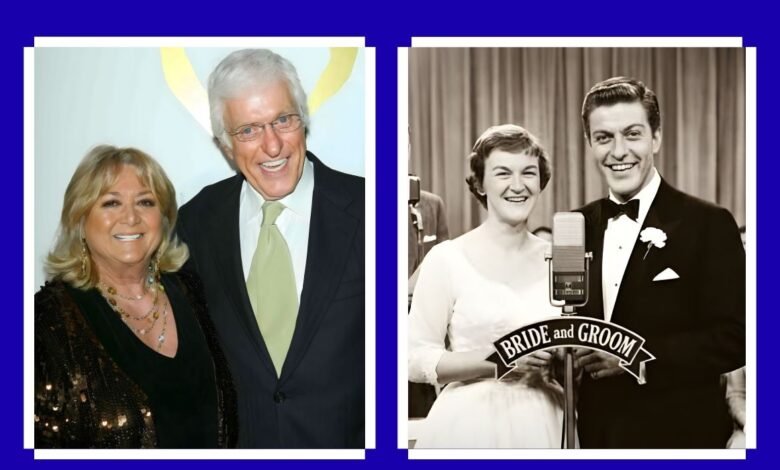
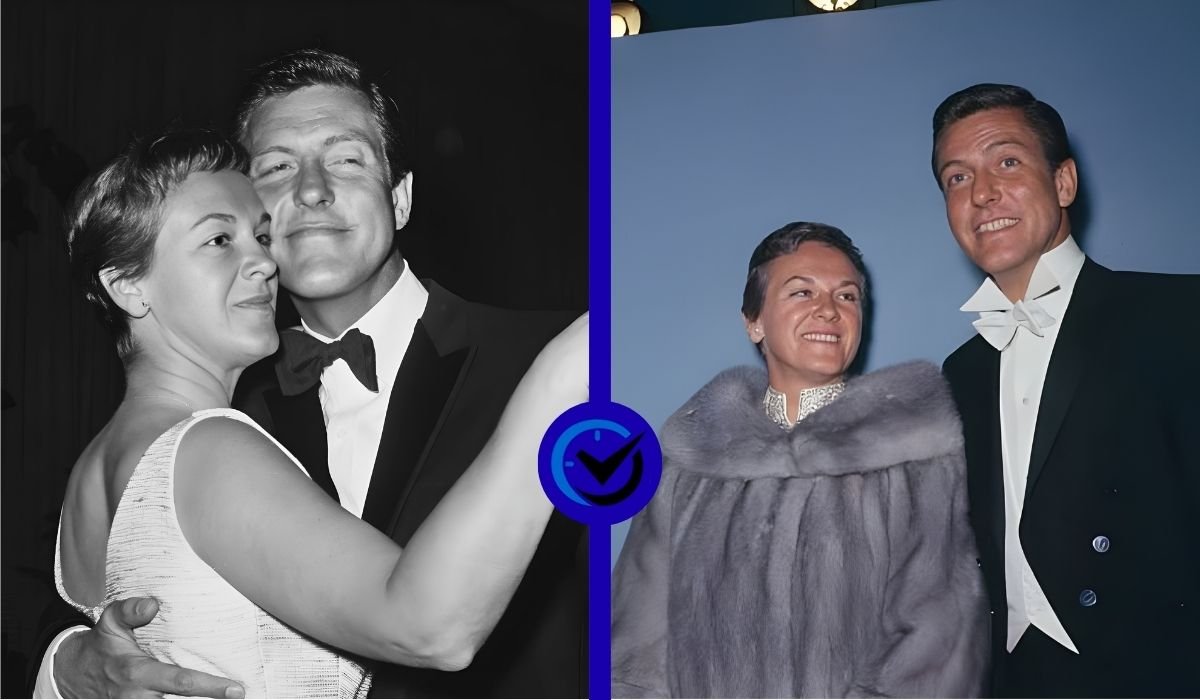
Margie Willett married Dick Van Dyke on February 12, 1948, during the radio program Bride and Groom, with the ceremony held at the Chapman Park Hotel on Wilshire Boulevard in Los Angeles. Van Dyke explained that they were too poor to pay for a wedding, so a producer offered to cover the ceremony and honeymoon if they married on the show; he later recalled that approximately 15 million listeners heard them exchange vows. The event combined three unusual elements: a genuine financial need, the commercial spectacle of live radio, and an intimate commitment made before an enormous unseen audience. Although it sounds glamorous in retrospect, the broadcast did not mean the couple had entered a life of wealth. Van Dyke was still searching for dependable work, and the newlyweds faced the practical pressures of housing, income, and starting a family. Their radio wedding eventually became a memorable piece of entertainment history, but for Margie it was first and foremost the beginning of a marriage that would span several dramatically different stages of American life.
Building a Family Before and During Fame
The couple became parents to four children: Christian, Barry, Stacy, and Carrie Beth Van Dyke. Their family expanded while Dick moved through radio, nightclub work, television hosting, Broadway, and eventually major screen roles, leaving Margie to manage much of the consistency required at home. The children’s lives developed in different directions: Christian pursued law after limited childhood screen exposure, Barry established the most prominent acting career, and Stacy and Carrie Beth made occasional entertainment appearances while largely maintaining quieter lives. Reports about the family also note painful experiences, including a pregnancy loss before the birth of their four children, though intimate details should be discussed with restraint. Margie’s importance to the family can be seen in three roles: she raised the children during unstable early years, helped them adjust when their father became famous, and protected a sense of ordinary family identity despite growing public attention. Dick later expressed pride in how his children turned out, and their grounded paths suggest that the household was not organized solely around celebrity.
Margie Willett’s Children and Their Different Paths
Each of Margie Willett’s children formed an identity that was connected to—but not completely controlled by—the Van Dyke name. Christian Van Dyke appeared briefly on television as a child and later entered the legal profession, reportedly serving as a prosecutor and corporate counsel. Barry Van Dyke followed his father into acting and became widely recognized for playing Steve Sloan opposite Dick’s Dr. Mark Sloan in Diagnosis: Murder. Stacy Van Dyke gained some experience in television and theater before choosing a more private lifestyle, while Carrie Beth also appeared onscreen briefly and later built a family away from constant publicity. The simplest verified family overview is:
- Christian became associated primarily with law rather than acting.
- Barry developed a long professional career in television.
- Stacy participated in entertainment but avoided sustained celebrity.
- Carrie Beth made limited appearances and maintained a quieter public profile.
These different outcomes reveal that Margie and Dick did not force all four children into one profession. Their descendants later extended the family’s entertainment connection, but Margie’s children were allowed to pursue markedly different kinds of adult lives.
Life Beside Dick Van Dyke’s Growing Career
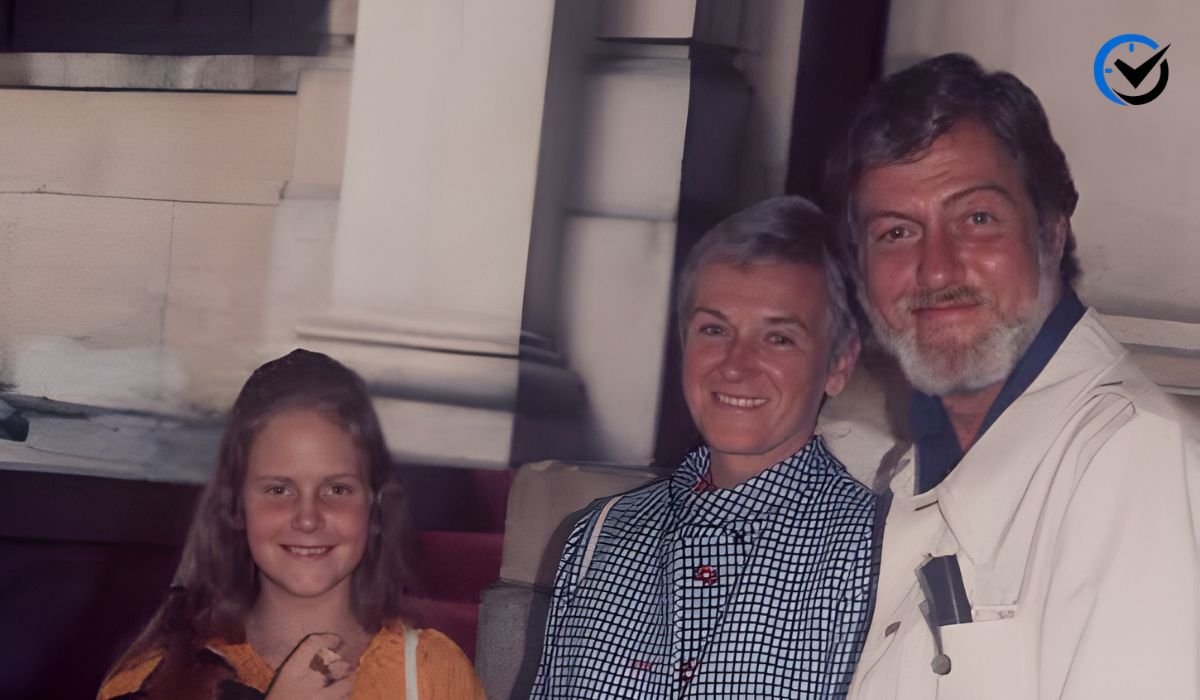
Dick Van Dyke’s career changed the family’s circumstances rapidly, particularly after his Tony-winning performance in Bye Bye Birdie and the 1961 debut of The Dick Van Dyke Show. His popularity grew further through films such as Mary Poppins and Chitty Chitty Bang Bang, turning the former struggling performer into one of America’s most recognizable entertainers. For Margie Willett, this transformation brought three major adjustments: improved financial security, reduced privacy, and a husband whose professional schedule demanded extensive time and attention. She occasionally appeared beside him publicly, but she never seemed interested in developing a celebrity identity or independent entertainment career. Accounts of their marriage portray her as more comfortable with home and family life than with Hollywood social culture, although descriptions of her personality are usually filtered through other people’s memories. Rather than treating her as an invisible figure in Van Dyke’s success story, it is more accurate to recognize the domestic work involved in raising four children while a spouse moved between Broadway, television sets, film productions, promotional obligations, and public appearances.
Private Struggles Behind a Publicly Cheerful Image
The cheerful image associated with Dick Van Dyke’s performances did not reflect every part of the family’s private experience. Van Dyke has spoken candidly about his alcoholism, his 1972 treatment, the emotional distance created by work, and the effect his behavior had on his marriage and children; accounts based on his memoir also state that Margie sought treatment for dependence on prescription medication. These issues should be understood through three perspectives: addiction is a health problem rather than a character summary, recovery often affects an entire household, and public success does not protect a family from private pain. Margie should not be reduced to her struggles, just as Van Dyke’s long career cannot erase the damage he acknowledged causing. The responsible biographical approach is neither sensational nor evasive: both partners experienced serious difficulties, and their marriage operated under pressures involving fame, absence, substance dependence, and changing emotional attachments. Van Dyke’s willingness to discuss these matters later gives readers valuable context, but Margie’s limited public voice means no writer can fully reconstruct how she experienced those years.
The Separation and End of Their Marriage
Margie Willett and Dick Van Dyke ultimately divorced in 1984 after a long separation, ending a marriage that had lasted approximately 36 years. Van Dyke later acknowledged that he developed a relationship with actress and producer Michelle Triola while still married and that the secrecy surrounding it caused him considerable guilt. The breakdown cannot fairly be explained by one dramatic moment because three longer forces were involved: years of professional separation, unresolved personal and addiction-related problems, and Van Dyke’s emotional involvement with someone else. His relationship with Triola became a lasting partnership that continued until her death in 2009, but Margie remained permanently connected to him through their children and their shared history. Calling the divorce a simple Hollywood split ignores the fact that their bond began before Hollywood entered their lives and continued across decades of hardship, parenthood, and fame. It is equally important not to romanticize the marriage solely because of its length; longevity can contain loyalty and affection alongside loneliness, disappointment, and change.
Margie Willett’s Life After the Divorce
Following the divorce, Margie Willett largely disappeared from public view and did not attempt to turn her former marriage into a media career. There are no well-documented memoirs, major interviews, or continuing public projects through which she presented her own version of events. Her later years are consequently defined by three clear boundaries: she remained connected to a large family, she preserved her privacy, and the public record offers only limited insight into her daily activities. Many websites claim to know her exact residence, wealth, or personal routine, but such details are often repeated without original documentation. It is safer to say that she lived away from Hollywood publicity and did not cultivate the kind of public profile commonly associated with a celebrity’s former spouse. Her silence should not be interpreted as an absence of experience; it simply means her private life stayed private. For readers, that distinction matters because a respectful biography reports what is known without transforming gaps in the record into convenient fiction.
Illness, Death, and Dick Van Dyke’s Reaction
Margie Willett died in 2008 after suffering from pancreatic cancer, according to Dick Van Dyke’s own later account in The Guardian. Some secondary profiles give 2007 as her year of death, creating a discrepancy, but Van Dyke’s first-person recollection supports 2008 and is the stronger source for this article. Her final chapter carries three important points: she faced a serious illness, she remained significant to her former husband despite their long divorce, and her death deeply affected the wider family they had created. Van Dyke wrote that losing Margie felt like losing part of himself, a striking admission from someone whose romantic relationship with her had ended decades earlier. His reaction does not rewrite the circumstances of their separation; instead, it reflects the complicated durability of a bond formed in youth and reinforced by four children and decades of shared memory. Margie’s death closed a relationship that had changed form but had never become historically insignificant to either the Van Dyke family or the story of Dick’s life.
Why Margie Willett’s Story Still Matters
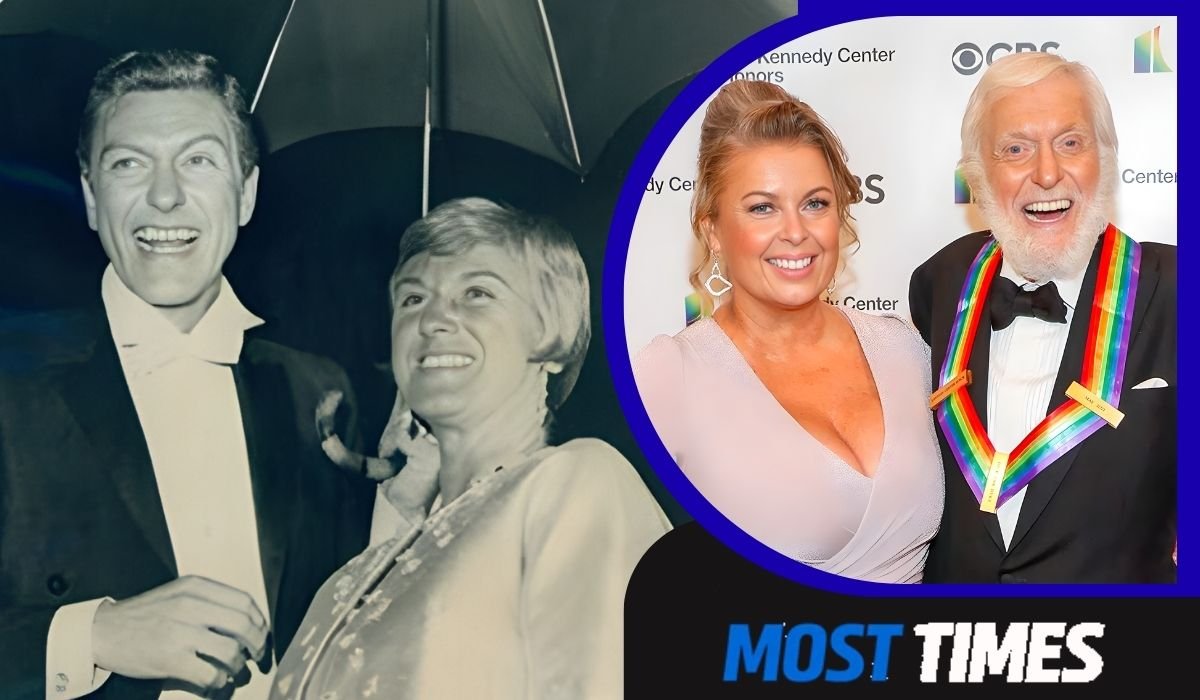
Margie Willett remains interesting because her life reveals what celebrity biographies often leave outside the frame. She belonged to the years before Dick Van Dyke’s fame, managed family life while his opportunities expanded, and endured personal difficulties that conflicted sharply with the joyful characters audiences saw onscreen. Her story adds three dimensions to the public narrative: it shows the labor behind a performer’s early ambitions, illustrates the pressure fame can place on a marriage, and reminds readers that private family members are not merely supporting characters. She did not win entertainment awards or seek recognition through interviews, yet her relationship with Van Dyke shaped the environment in which his four children were raised. Her privacy also creates a useful lesson for modern biography writers: limited evidence should lead to careful language, not increasingly dramatic claims. Understanding Margie means accepting that an honest portrait can be meaningful without pretending to know everything about her thoughts, finances, personality, or later relationships.
Final Thoughts
Margie Willett’s biography is ultimately the story of a private Midwestern woman whose adult life became connected to one of America’s most beloved entertainers. She and Dick Van Dyke began dating before fame, married during a nationally broadcast radio program in 1948, raised Christian, Barry, Stacy, and Carrie Beth, and remained husband and wife through extraordinary professional success and difficult personal years. Their 1984 divorce ended the legal marriage, but it did not erase their children, memories, or emotional connection. Willett later chose a quiet life, faced pancreatic cancer, and died in 2008, leaving Van Dyke with a profound sense of loss. Remembering her only as “Dick Van Dyke’s first wife” is incomplete; she was also his early companion, the mother of their four children, and an important figure in the family history behind his public career. The most trustworthy account of Margie Willett is not the most sensational one—it is the account that honors verified facts, acknowledges painful complexity, and respects everything she chose not to make public.
Frequently Asked Questions About Margie Willett
1. Who Was Margie Willett?
Margie Willett was the first wife of American actor and comedian Dick Van Dyke. She knew him before he became famous and remained married to him for about 36 years.
2. When Was Margie Willett Born?
Margie Willett was reportedly born in 1927 in Illinois, United States. Her exact date of birth has not been confirmed by a reliable public source.
3. How Did Margie Willett Meet Dick Van Dyke?
Margie and Dick Van Dyke knew each other while growing up in Danville, Illinois. They reportedly began dating around 1945, before Van Dyke established his entertainment career.
4. When Did Margie Willett Marry Dick Van Dyke?
Margie Willett married Dick Van Dyke on February 12, 1948. Their wedding took place during the radio program Bride and Groom at the Chapman Park Hotel in Los Angeles.
5. Why Did They Get Married on a Radio Show?
The young couple reportedly could not afford a traditional wedding. The radio program offered to pay for their ceremony and honeymoon in exchange for broadcasting the wedding.
6. How Many Children Did Margie Willett Have?
Margie Willett and Dick Van Dyke had four children together. Their names are Christian, Barry, Stacy, and Carrie Beth Van Dyke.
7. Is Barry Van Dyke Margie Willett’s Son?
Yes, actor Barry Van Dyke is Margie Willett’s son. He followed his father into acting and became best known for appearing alongside him in Diagnosis: Murder.
8. What Did Margie Willett Do for a Living?
Margie Willett’s profession has not been reliably documented in public records. She mainly became known for her marriage to Dick Van Dyke and her role in raising their four children.
9. Why Did Margie Willett and Dick Van Dyke Divorce?
Their marriage experienced several difficulties, including long periods apart, addiction-related struggles, and Van Dyke’s relationship with Michelle Triola. The couple separated before finalizing their divorce in 1984.
10. How Long Were Margie Willett and Dick Van Dyke Married?
Margie and Dick Van Dyke were married for approximately 36 years. Their marriage lasted from February 1948 until their divorce in 1984.
11. When Did Margie Willett Die?
Margie Willett died in 2008, although a few secondary websites incorrectly report 2007. Dick Van Dyke’s own account supports 2008 as the more reliable year.
12. What Was Margie Willett’s Cause of Death?
Margie Willett died following a battle with pancreatic cancer. Van Dyke later revealed that her death affected him deeply, even though they had been divorced for many years.
Recommended: Who Is Seung Yong Chung? Everything About Diane Farr’s Ex-Husband